São Paulo's current fiscal standoff didn't arrive overnight. To understand why the municipal government is locked in contentious negotiations over R$47 billion in annual spending, you need to trace back more than a decade of structural decisions, political compromises, and infrastructure neglect that created the conditions for today's impasse.
The roots run deep. During the 2010s, successive administrations prioritised visible projects—the expansion of Line 6 of the Metro toward Brasilândia, revitalisation efforts in the Luz neighbourhood, and major road works on the Via Imigrantes—while deferring maintenance on the city's aging water and sewage systems. The Sabesp water utility, partially privatised in 2018, took on debts that eventually cascaded into municipal obligations. Meanwhile, favela pacification programmes in the east zone demanded sustained funding that wasn't built into long-term budgets.
By 2021, a fiscal crisis in the city's education sector forced the closure of 94 schools across poorer districts in zones like Guaianases and Parelheiros. Parents and teachers protested at City Hall on Viaduto do Chá. That moment crystallised what economists had been warning: the municipality had no financial cushion. Property tax collection—IPTU—remained relatively flat even as real estate values in Jardins and Vila Mariana soared, widening the gap between wealthy neighbourhoods' tax contributions and poorer regions' service demands.
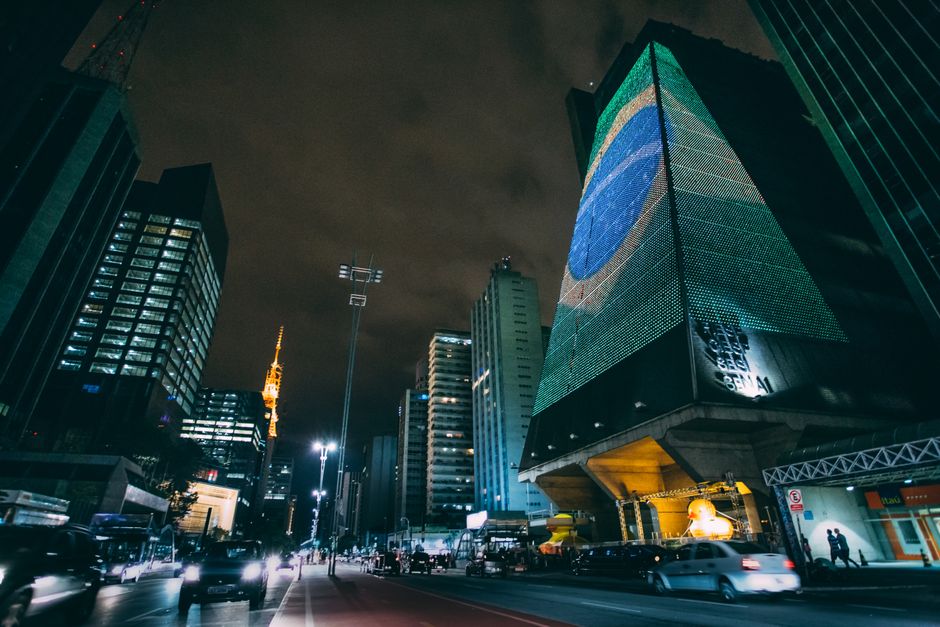
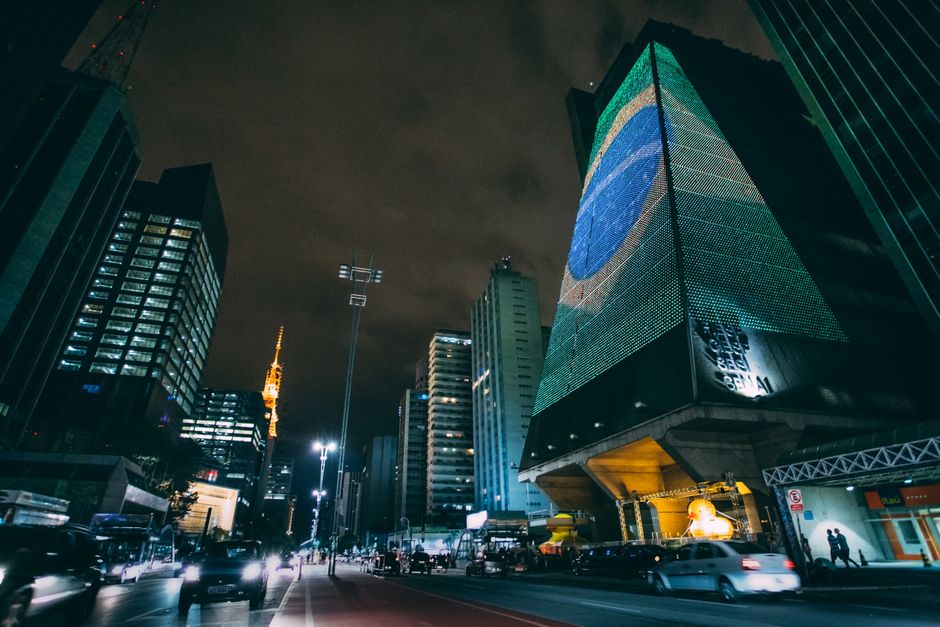
The pandemic accelerated existing fractures. Lost tourism revenue from Av. Paulista and Centro businesses meant reduced municipal tax receipts. Social programmes expanded in Periferia suburbs just as the city's borrowing capacity tightened. By 2024, debt servicing consumed nearly 18 percent of annual revenues.
Recent political shifts have intensified the pressure. A shift in City Council composition toward more left-leaning representatives brought demands for increased social spending, while fiscal hawks argued for structural reforms to the public payroll—which consumes roughly 55 percent of revenues. Transit workers' unions, still energised by a 2021 strike, mobilised around wage protections. Simultaneously, business groups and real estate interests lobbied for property tax reductions and infrastructure privatisations.
Today's negotiations pit these forces directly against each other. Proposed solutions—parking metre expansion, concessions for parking facilities across the city, potential IPTUs hikes in high-value zones, or pension reforms—each carry political costs that explain why June 2026 finds the Câmara Municipal deadlocked rather than deliberative. The path forward requires acknowledging how decisions made a decade ago eliminated today's options.
This article was compiled by AI from the sources linked above and screened before publishing. See our editorial standards.