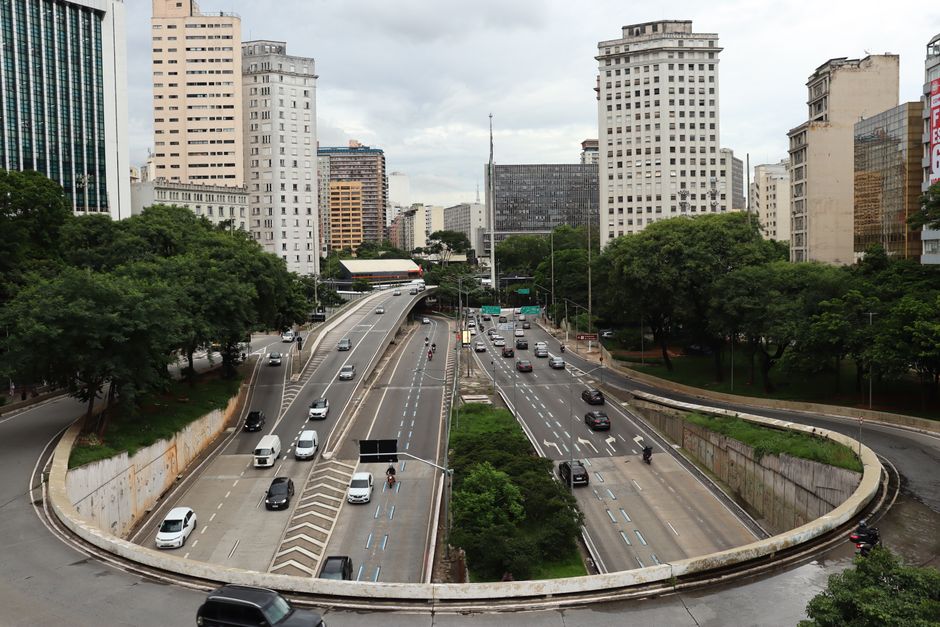
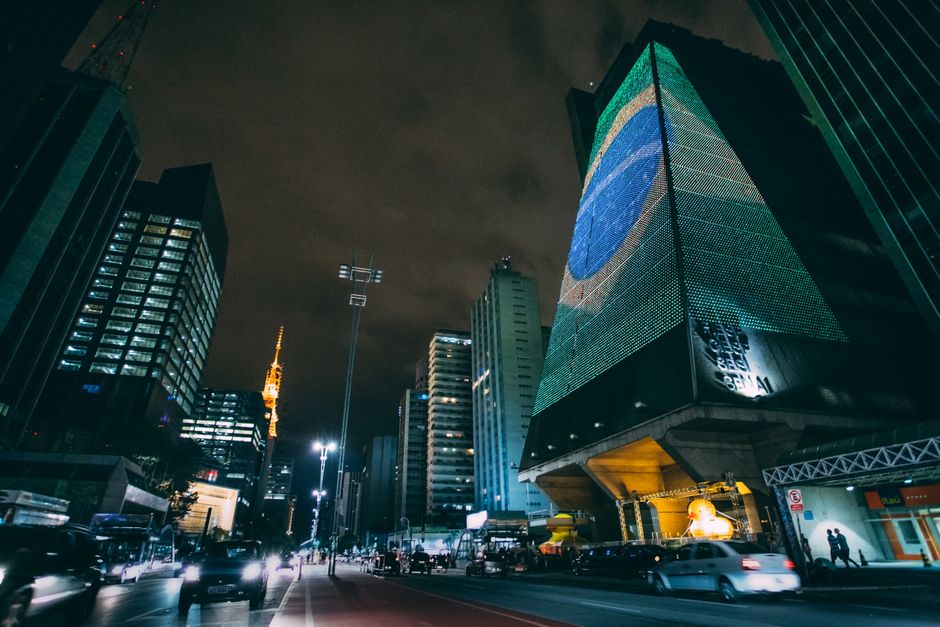
The numbers tell a story of paradox. São Paulo's real estate market has added roughly 127,000 new residential units in the past five years, yet roughly 18% of buildings in the historic centre stand partially or entirely vacant. Meanwhile, the city's informal settlements house nearly 1.3 million people in conditions that have barely improved since the last major favela upgrading initiative in the early 2010s.
City Hall's housing department now faces an urgent decision point. Three competing policy frameworks are under internal debate, and whichever gains traction will determine whether the next decade sees gentrification, genuine integration, or continued paralysis.
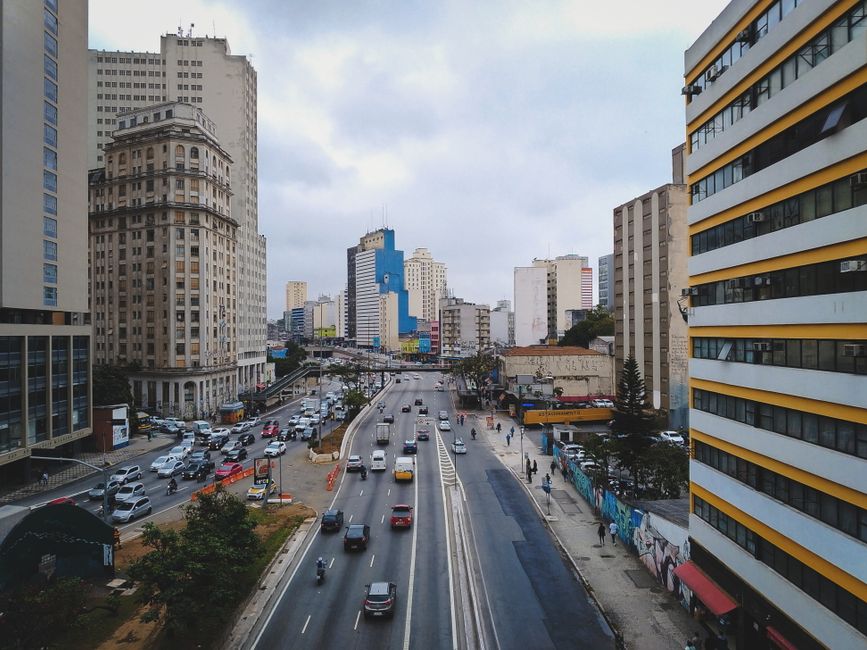
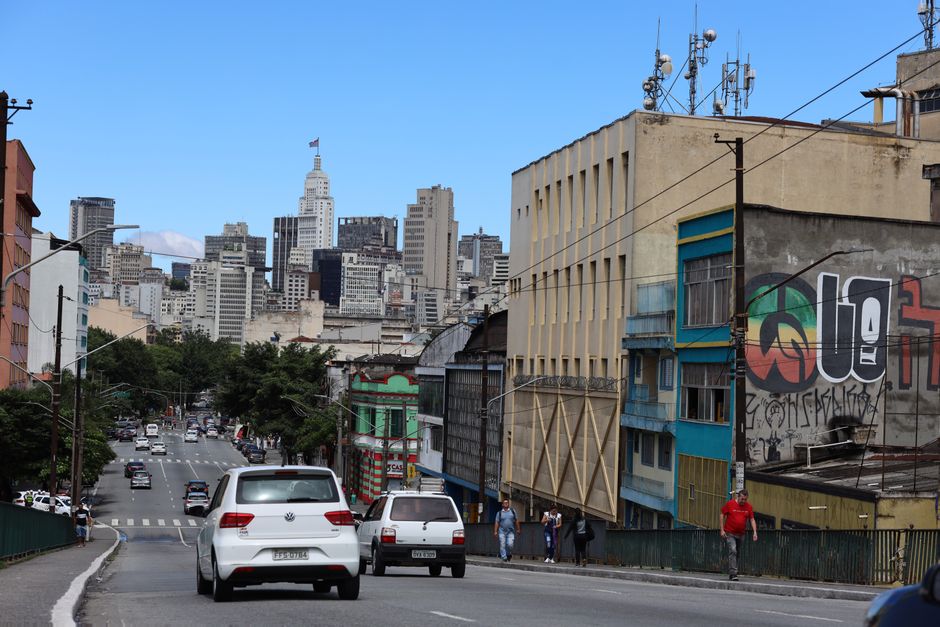
The first option centers on aggressive incentive schemes for private developers to retrofit vacant buildings in the Luz district and surrounding areas—converting the crumbling early-20th-century structures along Avenida Rio Branco and Rua 25 de Março into residential mixed-use spaces. This mirrors strategies attempted in Rio de Janeiro with mixed results. The second approach emphasizes direct municipal investment in new housing on the periphery, particularly in districts like Grajaú and Itaquera, where land prices remain relatively affordable but infrastructure lags significantly. The third—less fashionable among some officials—involves substantial public funding for in-situ favela upgrades, building on lessons from Paraisópolis interventions where residents remained in their original neighbourhoods.
The financial implications are staggering. Retrofitting the centre could require R$8-12 billion in public-private partnerships. Peripheral expansion might cost R$6 billion but demands concurrent transport investment. In-situ upgrading, historically the most expensive per-unit model, would require sustained commitment over 15-20 years.
Political pressure is mounting. Community associations in Paraisópolis are demanding acceleration of stalled infrastructure projects. Real estate developers are lobbying aggressively for centre-district incentives. And transport advocacy groups warn that any housing strategy divorced from metro and bus rapid transit expansion will replicate São Paulo's historical mistakes.
The municipal administration must also navigate federal funding constraints. Access to federal housing programmes depends partly on demonstrating fiscal responsibility—a challenge when city services face chronic underfunding elsewhere.
A decision framework is expected by September, with budget implications crystallizing by year-end. The choice will ripple through property values, demographic patterns, and social inequality for decades. São Paulo's housing future is no longer abstract policy—it has become the central urban question of this moment.
This article was compiled by AI from the sources linked above and screened before publishing. See our editorial standards.