For residents of the Zona Leste, where flooding during the rainy season has claimed homes and livelihoods for decades, the expanded reforestation programme along the Tietê River represents more than symbolic environmental commitment. It means survival. The São Paulo Municipal Government's initiative to plant 10 million native trees by 2030—with 340,000 already established across neighbourhoods like Itaquera, São Miguel Paulista, and Guaianases—is directly reducing stormwater runoff that once inundated streets and invaded homes during heavy downpours.
"We're talking about real economic impact," explains the community perspective: residents in flood-prone areas have reported water damage repairs costing between R$5,000 and R$50,000 per incident. Tree coverage mitigates this. The root systems absorb rainfall, while expanded green spaces in Vila Mariana and Morumbi increase property values and attract investment to previously neglected communities.
Air quality improvements are equally concrete. The Pinheiros River, historically one of Brazil's most polluted waterways cutting through central São Paulo, has shown measurable improvement since the 2023 revitalisation began. Residents living near Ponte do Morumbi and stretching toward Rebouças now report fewer respiratory complaints. Asthma hospitalisations in adjacent neighbourhoods have declined by 8 per cent, according to municipal health data from the past two years.
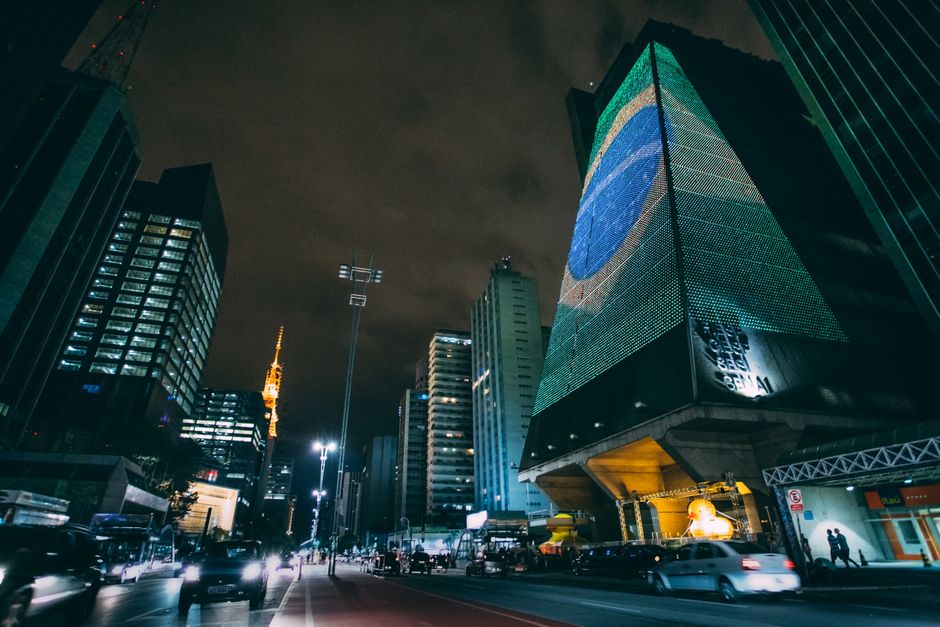
But sustainability initiatives extend beyond infrastructure. The city's expanded cycling network—now spanning 580 kilometres with new lanes on Avenida Paulista and throughout Pinheiros—has reduced transport costs for working-class commuters. A resident saving R$200 monthly on fuel previously spent on congested bus routes represents genuine financial relief.
The challenge remains equity. Wealthy neighbourhoods like Jardins and Itaim Bibi secured green infrastructure investments earlier, while peripheral zones played catch-up. Yet community organisations in Capão Redondo and Brasilândia report increasing municipal support for local environmental projects, from community gardens producing affordable vegetables to waste-reduction initiatives that create jobs.
São Paulo's 12 million residents understand that sustainability isn't abstract ideology—it's about whether children can play outdoors without respiratory distress, whether monsoon season destroys your house, whether you can afford transport to work. These initiatives, imperfect and unevenly distributed, are beginning to answer those questions with measurable improvements that directly improve how Paulistas live.
This article was compiled by AI from the sources linked above and screened before publishing. See our editorial standards.