São Paulo's Transport Network Takes Major Steps Forward This Week
New metro line extensions and bus rapid transit upgrades promise to reshape commuting across Brazil's largest city.
New metro line extensions and bus rapid transit upgrades promise to reshape commuting across Brazil's largest city.
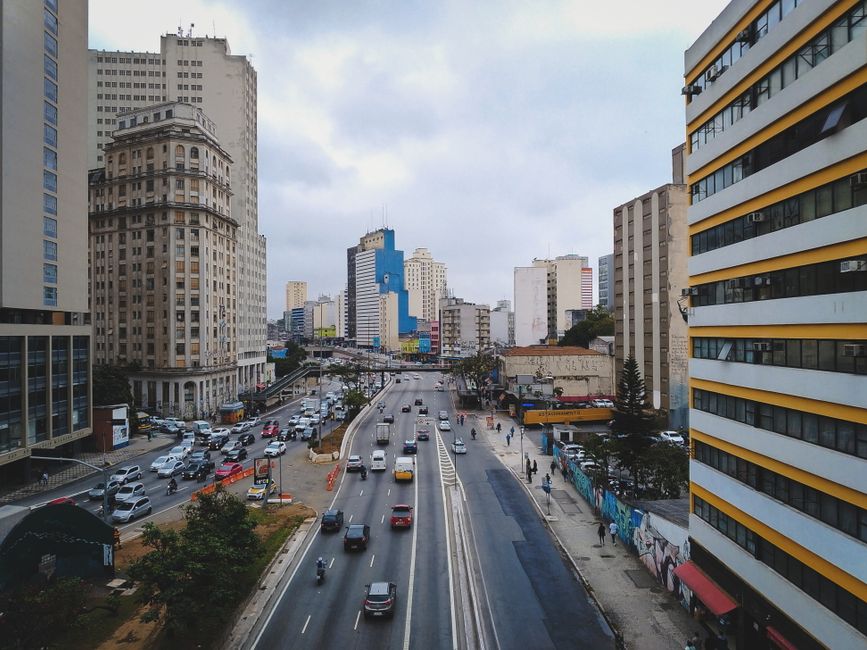
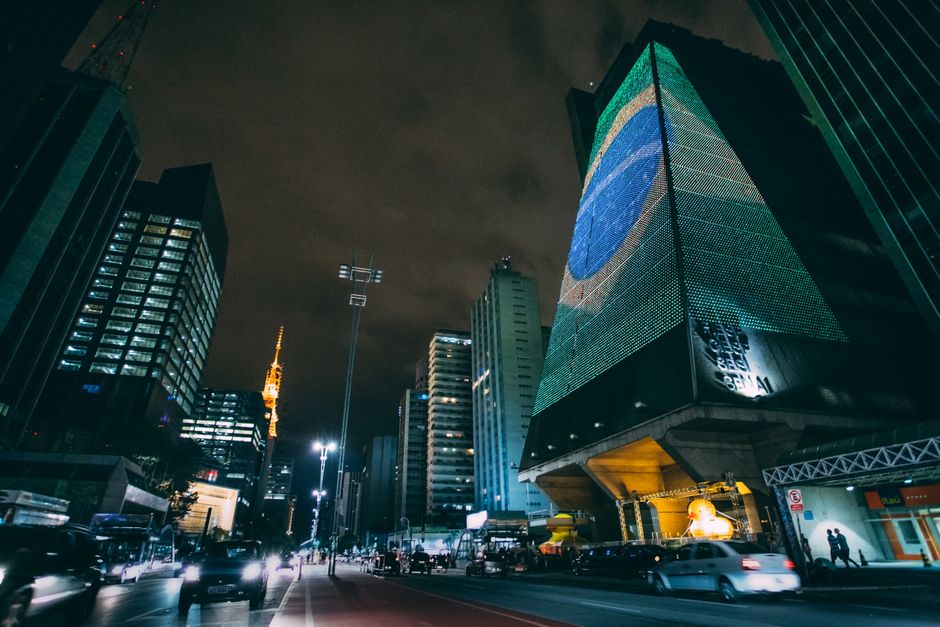
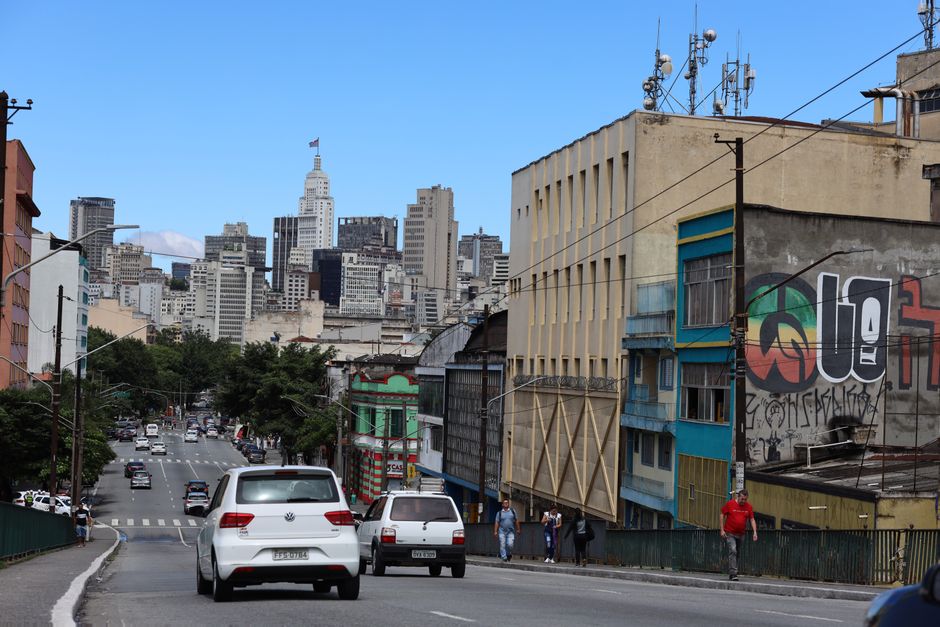
São Paulo's infrastructure landscape shifted significantly this week as multiple transport projects reached critical milestones, offering commuters and city planners reason for cautious optimism.
The São Paulo Metro company announced accelerated completion timelines for Line 6 (Orange), which will eventually connect the Brasilândia neighbourhood to the Luz station in the historic centre. Officials confirmed that tunnel boring work beneath Avenida Itaquera has progressed ahead of schedule, with excavation now reaching the Cachoeirinha sector. The expansion is expected to reduce travel times from the city's northwest periphery by up to 35 minutes once fully operational in 2028.
Simultaneously, the state government unveiled refinements to the Bus Rapid Transit (BRT) corridor planned for the Marginal Pinheiros highway. The integrated system, designed to move an estimated 150,000 passengers daily, will incorporate dedicated lanes separated from standard vehicle traffic along a 28-kilometre stretch from the southern suburbs near Guarapiranga towards the city centre. Environmental assessments released this week cleared the project to proceed into the tendering phase, a significant hurdle that had delayed implementation by six months.
Infrastructure costs remain a central concern for residents. Monthly metro and bus fares currently sit at 2.75 reais per journey, a 6 per cent increase from January. The CPTM (Companhia Paulista de Trens Metropolitanos) has committed to absorbing price pressures through efficiency gains rather than passing additional costs to commuters before 2027.
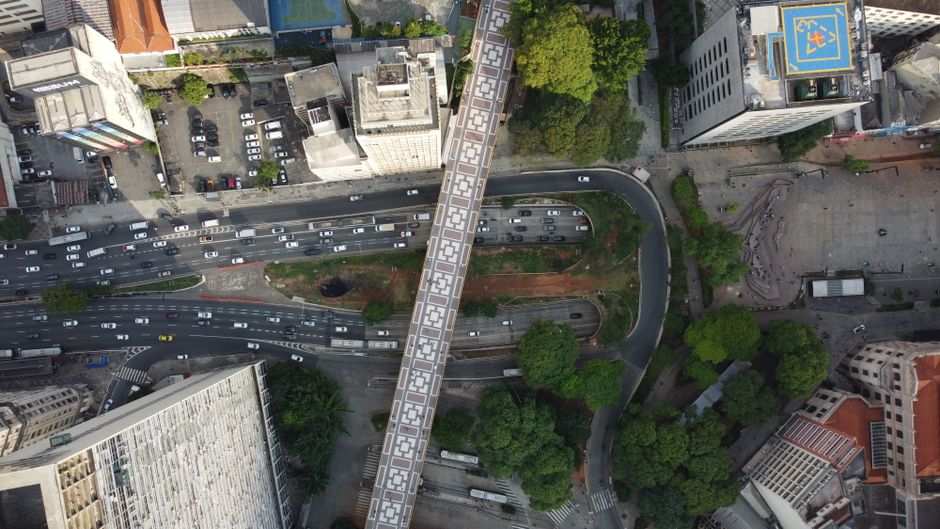
The Pátio do Colégio area, near the metro's Sé station in the city centre, has become a testing ground for integrated mobility solutions. New cycle lanes and pedestrian zones are being constructed alongside the historic plaza as part of broader downtown revitalisation efforts. The project exemplifies São Paulo's push to balance heritage preservation with modern transport demands.
However, challenges persist. The Linha Ouro (Gold Line) project connecting Morumbi to Imirim—a crucial link for the city's western districts—remains in preliminary planning stages after budgetary constraints postponed initial groundwork. City officials indicated the 18-kilometre stretch requires federal co-financing to move forward, complicating an already complex approval process.
Transport analysts note that São Paulo's ageing infrastructure struggles to keep pace with a metropolitan population exceeding 22 million. Yet this week's announcements suggest momentum is building. As construction sites multiply across the city, from Zona Leste to Zona Oeste, residents are watching closely to see whether these ambitious plans translate into the faster, more efficient commutes São Paulo desperately needs.
This article was compiled by AI from the sources linked above and screened before publishing. See our editorial standards.
How does this story make you feel?
Spread the word
About this article
Published by The Daily São Paulo
Daily brief
Free, in your inbox before 7am. Weekdays.
More in News