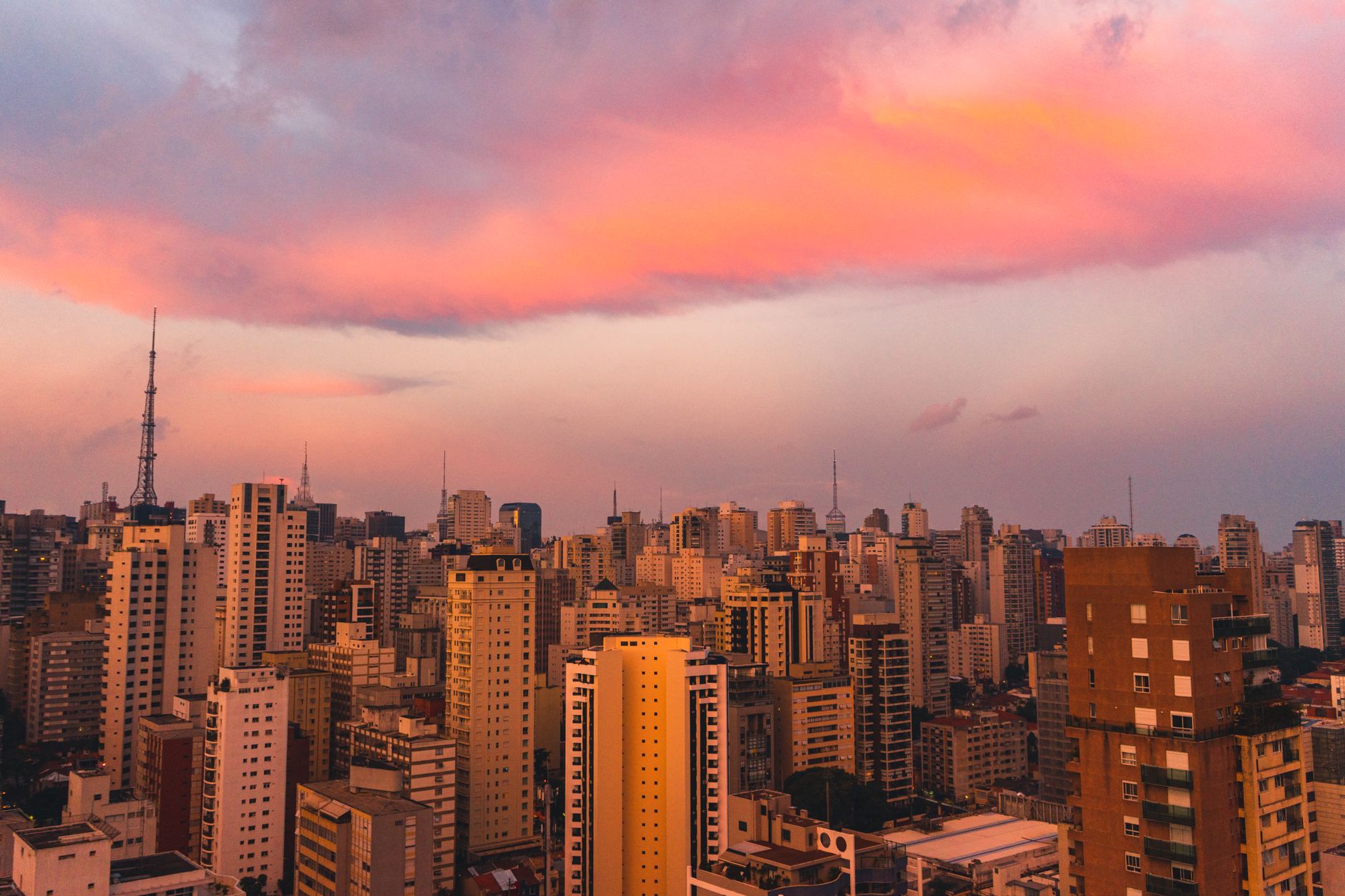
Sao Paulo is Latin America's economic engine and the 11th-largest metropolitan economy in the world. Australian professionals come to Sao Paulo primarily through financial services (the Australian banks and investment managers have significant Brazilian operations), multinational consumer goods companies, the Australia-Brazil agricultural trade relationship (Brazil and Australia are both major agricultural exporters and competitors/partners in global food markets), and the growing technology and fintech sector. The city's massive scale (21 million in the metropolitan area), dynamism, and the sophistication of its Jardins and Itaim Bibi professional neighbourhoods create a business environment of genuine substance. This guide covers what Australians need to know about moving to Sao Paulo in 2026.
Visa Options for Australians Moving to Sao Paulo
Australian passport holders can enter Brazil visa-free for 90 days (extended to 180 days in a 12-month period). For longer stays and work, the standard route is the Work Visa (VITEM V) sponsored by a Brazilian-registered employer, requiring registration with the Ministry of Labour and Employment. Brazil and Australia have a social security agreement that can simplify some cross-border employment arrangements. The Investment Visa is available for those investing a minimum BRL 150,000 (approximately AUD 43,000) in a Brazilian company. Brazil does not currently have a digital nomad visa but the long-term visa processes have been simplified in recent years. The RNE (Registro Nacional de Estrangeiro, National Register of Foreigners) is the residence document issued on arrival for multi-year visa holders.
Cost of Living in Sao Paulo for Australians
Sao Paulo is Brazil's most expensive city but very affordable for Australians earning in AUD or at international salary scales. A furnished apartment in the Jardins neighbourhood (Jardim Paulista, Jardim Europa, Jardim America) costs BRL 6,000-15,000 per month (AUD 1,700-4,300 at approximate 2026 exchange rates). International schools (St. Paul's School, the British School of Sao Paulo, Chapel School) charge fees comparable to Australian independent school fees. Brazilian real depreciation has significantly improved the value proposition for AUD earners over the past several years. Excellent quality Brazilian and international restaurant dining is significantly cheaper than Australian equivalents.
Best Neighbourhoods for Australian Expats in Sao Paulo
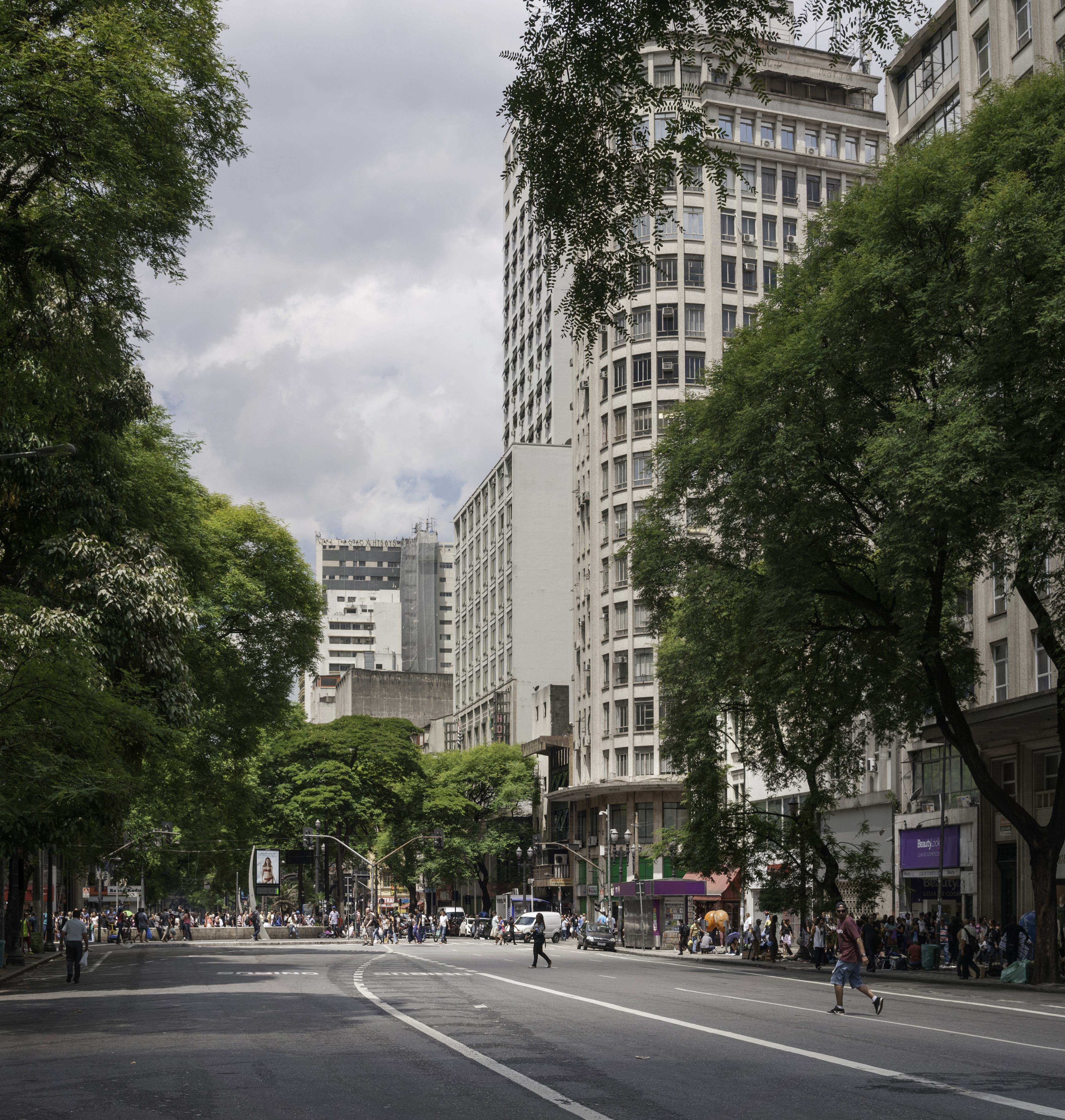
The Jardins neighbourhood cluster (Jardim Paulista, Jardim America, Jardim Europa) is the primary residential area for the international professional community, with the finest restaurants, Paulista Avenue proximity, and the best international school accessibility. Itaim Bibi is the contemporary financial district neighbourhood and popular with finance and corporate professionals. Vila Nova Conceicao is a quieter and more exclusively residential upscale alternative popular with diplomatic and senior business families. Pinheiros and Vila Madalena attract the creative and younger professional Australian community for the independent culture and relative affordability.
Practical Moving Tips for Australians
Register with the Australian Consulate General in Sao Paulo on arrival. Open a Brazilian bank account (Bradesco, Itau Unibanco, or the digital bank Nubank) as soon as the work visa is issued. A car is necessary in Sao Paulo beyond the metro corridors given the city's scale. Sao Paulo traffic is extreme (the city famously has the world's largest traffic jams) and journey planning must accommodate significant variability, particularly during rush hours and rain events. Portuguese (Brazilian) is essential for daily life in Sao Paulo: English is used in international business but the city functions in Portuguese for all other purposes. Security awareness and adherence to employer security protocols is important in the Sao Paulo context.
This article was compiled by AI and screened before publishing. See our editorial standards.