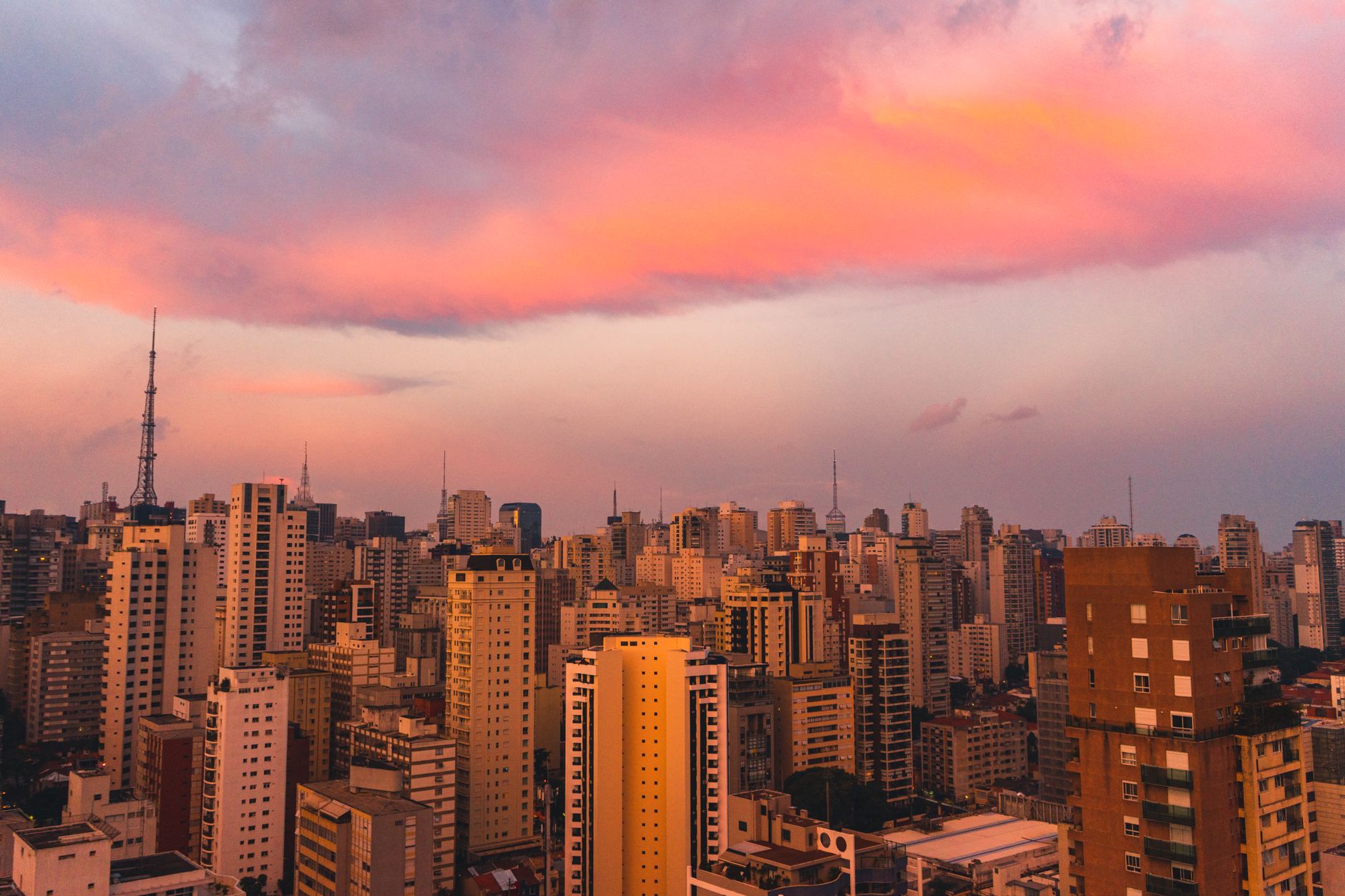
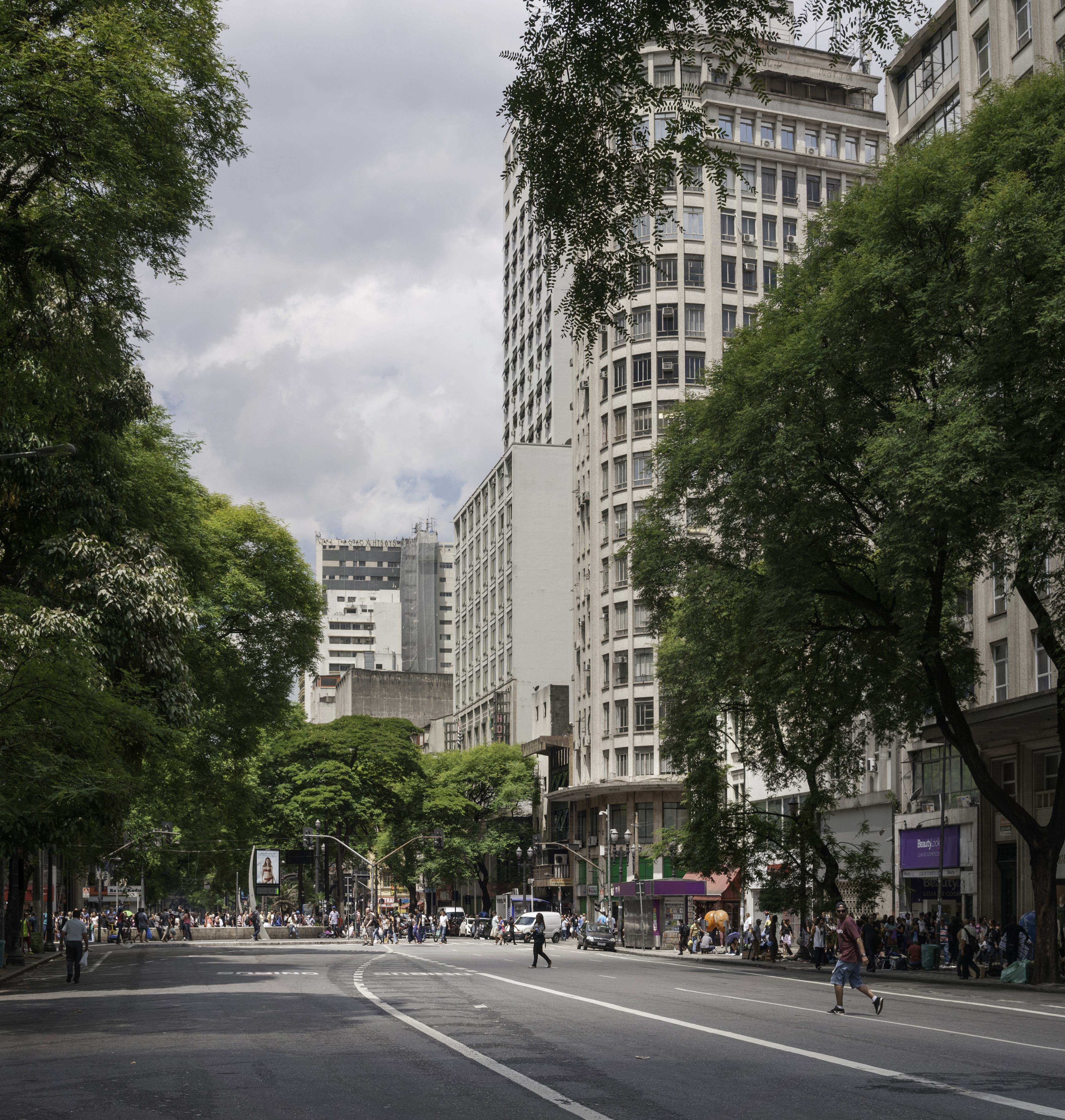
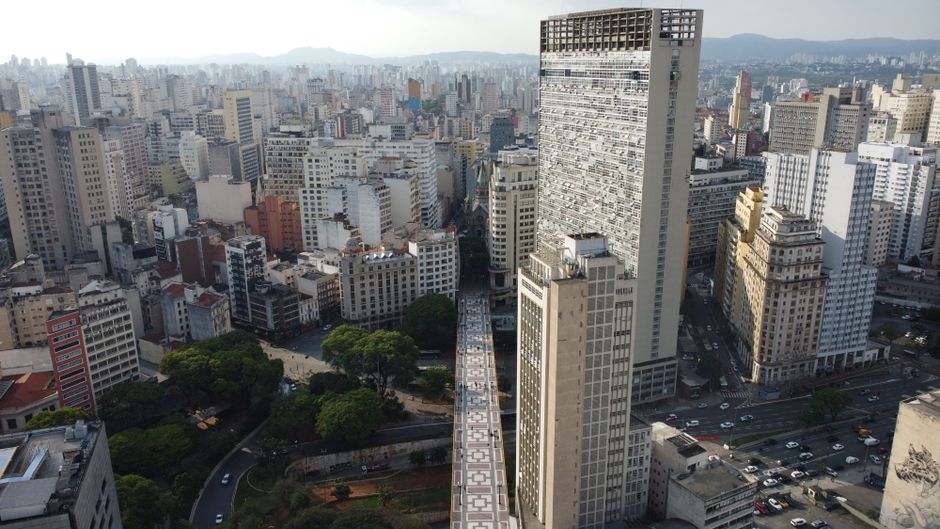
Walk through the leafy streets of Vila Madalena on a Saturday morning, and you'll witness something increasingly rare in global capitals: parents lingering for hours at neighbourhood cafés while children run between tables, known by name to staff members. This casual, community-rooted approach to family life represents perhaps São Paulo's most distinctive parenting philosophy—one that stands in sharp contrast to the scheduled, app-managed childhoods of New York, London, or Tokyo.
Unlike cities where helicopter parenting and structured extracurriculars dominate, São Paulo families typically embrace what locals call "liberdade com responsabilidade"—freedom with accountability. Children move more freely through their bairros, building relationships with shopkeepers, neighbours, and teachers in ways that reflect a pre-digital social fabric. This isn't negligence; it's a calculated cultural choice that prioritizes independence and community bonds over constant supervision.
The educational landscape reinforces this uniqueness. While São Paulo has prestigious international schools like Bandeirantes and Vera Cruz, many middle-class families choose public and cooperative schools that emphasize creative problem-solving over standardized testing. The progressive pedagogy found at institutions throughout zones like Pinheiros and Consolação—inspired by Paulo Freire's legacy—prioritizes critical thinking over rote memorization, a philosophical difference that would surprise parents accustomed to the exam-focused systems of Asia or Northern Europe.
Cost structures also differ markedly. Monthly fees at top private schools range from R$3,500 to R$8,000, significantly cheaper than comparable institutions in Manhattan or central London, allowing more families genuine choice between public and private education. Public school struggles with overcrowding, yet many parents strategically navigate the system, combining state education with affordable supplementary tutoring in the informal economy—a pragmatic approach unique to Brazilian cities.
Perhaps most distinctively, São Paulo's family culture remains deeply intergenerational. Multi-family households are common, and extended family involvement in childcare creates safety nets that reduce parental anxiety about constant professional care. Avós (grandmothers) remain central figures, picking children up from school, teaching recipes, maintaining continuity that contrasts sharply with the nuclear-family isolation of wealthier Western cities.
Weekends reveal another São Paulo signature: the passeio (leisurely stroll). Parks like Ibirapuera transform into family gathering spaces where class boundaries soften, and children mix freely. Compare this to the privatized, membership-based recreation common elsewhere, and you glimpse a city where family life, despite inequality, retains surprising communal dimensions.
In an era of helicopter parenting and algorithmic childcare, São Paulo's blend of independence, community trust, and informal networks offers something increasingly precious: childhood that breathes.
This article was compiled by AI and screened before publishing. See our editorial standards.