Vila Madalena Parks São Paulo: Green Hub Guide
Discover how Vila Madalena's restored parks—led by Parque da Luz—are reshaping the neighborhood from party district to community gathering space.
Discover how Vila Madalena's restored parks—led by Parque da Luz—are reshaping the neighborhood from party district to community gathering space.
Walk down Rua Wisard on a Saturday morning in 2026, and you'll notice something markedly different from five years ago: families spreading blankets across freshly restored parkland, artists setting up easels near native plant installations, and a queue forming outside a new plant nursery cooperative rather than another bar. Vila Madalena, long synonymous with nightlife excess, is undergoing a subtle but unmistakable pivot toward outdoor living and environmental consciousness.
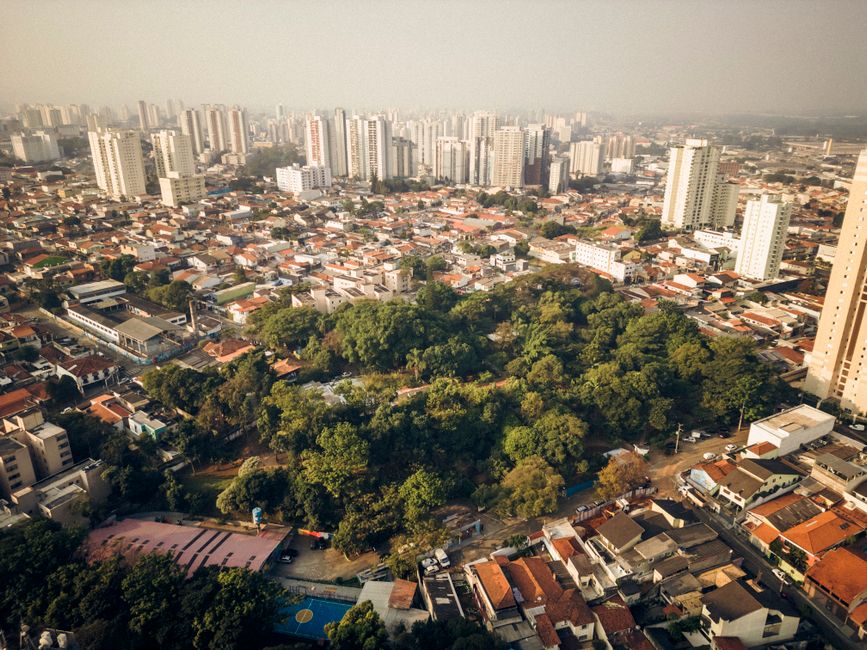
The shift crystallised around Parque da Luz and the smaller green corridors threading through the neighbourhood's steep topography. Municipal data shows foot traffic in these spaces has increased 67% since 2023, while weekend bar closures in the immediate vicinity have climbed steadily. What's driving this? Part necessity—pandemic-era remote work made the neighbourhood's green pockets suddenly precious—and part genuine generational shift. Younger residents, particularly those in creative industries, are prioritising access to nature over proximity to nightlife venues.
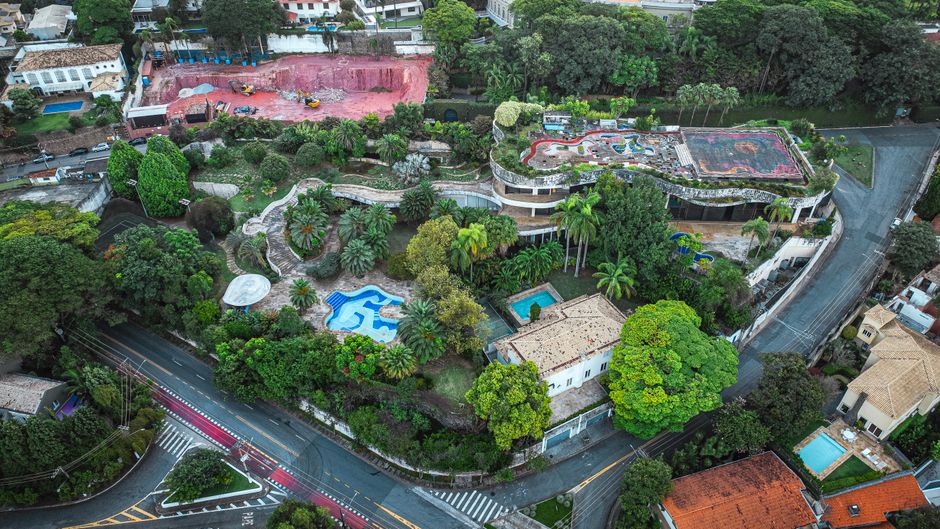
The transformation isn't spontaneous. Community organisations like Instituto Morar, based in nearby Pinheiros, have partnered with the prefeitura to redesign underused spaces. A 2,400-square-metre plot adjacent to Rua Fidalga that once hosted irregular vendor activity now features native Cerrado vegetation, a community garden managed by residents, and benches designed specifically for informal work and study. Monthly maintenance costs run approximately R$8,000, funded through a hybrid model of municipal support and neighbourhood association contributions.
Local businesses have adapted accordingly. The concentration of independent cafés—now numbering over thirty within the neighbourhood—reflects this pivot. Venues like the unnamed but proliferating specialty coffee spots along Rua Mourato Coelho deliberately position seating toward park views. Rental prices for ground-floor retail have stabilised after years of volatility, suggesting the market is recalibrating away from pure nightlife economics.
Yet tensions remain. Long-term residents voice concerns about gentrification, even as the neighbourhood becomes ostensibly quieter and greener. Property values in adjacent streets have climbed 34% since 2020, outpacing citywide averages. The environmental improvements that make Vila Madalena increasingly desirable paradoxically threaten the affordability that sustains its cultural character.
For now, the neighbourhood exists in an interesting liminal space: still creative, increasingly conscious, undeniably changing. The question isn't whether Vila Madalena's parks are transforming the area—they demonstrably are—but whether that transformation will remain accessible to those who made the neighbourhood worth transforming in the first place.
This article was compiled by AI from the sources linked above and screened before publishing. See our editorial standards.
How does this story make you feel?
Spread the word
About this article
Published by The Daily São Paulo
Daily brief
Free, in your inbox before 7am. Weekdays.
More in lifestyle