Vila Madalena Gentrification: São Paulo's Bohemian Shift
How rising rents and chain stores are reshaping São Paulo's creative hub. Explore Vila Madalena's transformation and what it means for artists and residents.
How rising rents and chain stores are reshaping São Paulo's creative hub. Explore Vila Madalena's transformation and what it means for artists and residents.
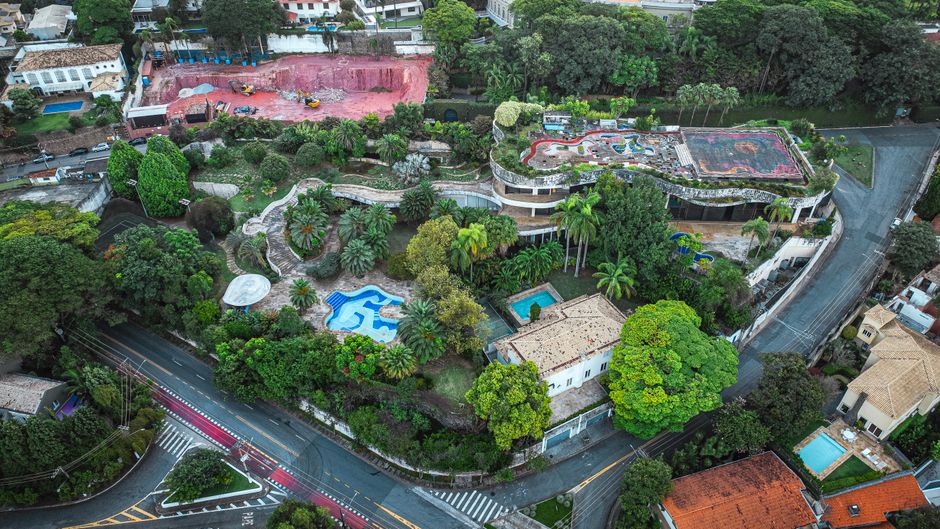
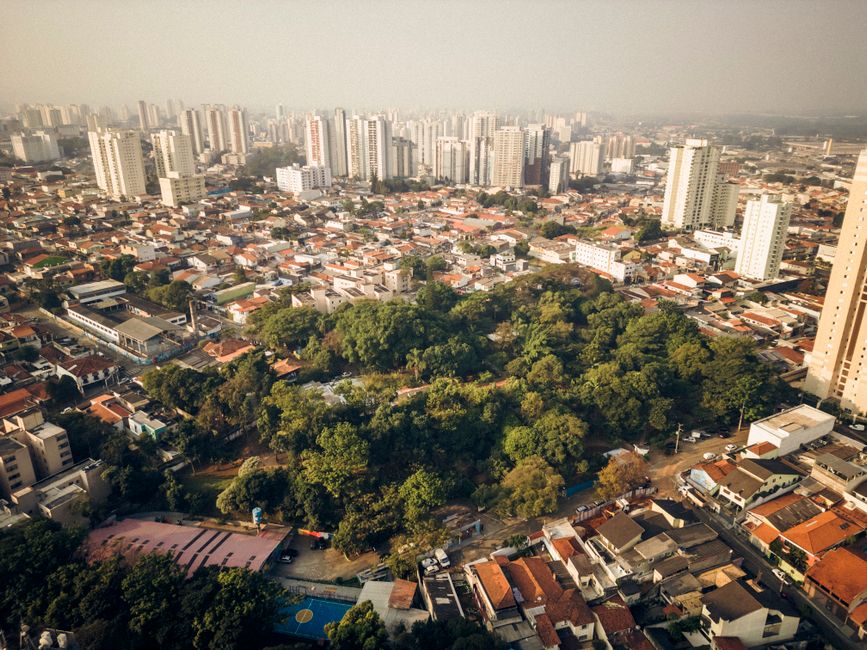
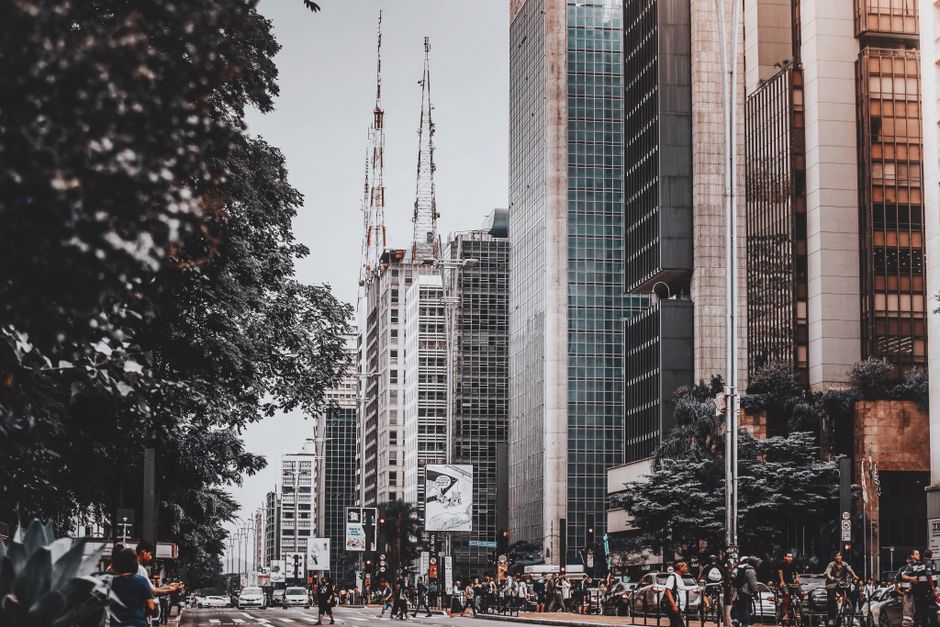
Walk down Rua Aspicuelta on a Friday night and you'll see the contradiction playing out in real time. Vintage record shops sit next to cryptocurrency exchanges. A legendary boteco where artists once debated politics for hours now charges R$18 for a caipirinha. Meanwhile, construction cranes pivot above newly approved residential towers on adjacent Rua Mourato Coelho, each promising 'urban lifestyle' to young professionals willing to invest upwards of R$1.2 million for a two-bedroom apartment.
Vila Madalena's transformation from countercultural refuge to aspirational neighbourhood is neither sudden nor complete—it's a slow, complicated evolution that reveals how even São Paulo's most fiercely independent communities cannot escape the city's relentless economic logic.
Ten years ago, affordable rent and a critical mass of artists, musicians, and designers made Vila Madalena an incubator for creative enterprises. The neighbourhood's famous street art—particularly the murals cascading down Beco do Batman—attracted international visitors and fostered a bohemian identity. Today, that identity coexists uneasily with gentrification. Rents have climbed approximately 35 per cent in the past three years, according to local real estate data, pricing out the very creative class that defined the area.
The shift is reshaping community institutions. Sesc Pompéia, the landmark cultural centre just beyond Vila Madalena's borders, reports increased demand for affordable workshops and events, suggesting locals are seeking cultural engagement outside the neighbourhood's increasingly commercialised venues. Meanwhile, established galleries like Galeria Nara Roesler remain anchors, though they now operate alongside luxury boutiques and international restaurant chains that cater to a demographic with demonstrably different spending power.
Not everything is loss, though. Young entrepreneurs are adapting rather than fleeing. Micro-breweries, sustainable fashion cooperatives, and design studios are finding niches in the interstices of gentrification. Rua Girassol has emerged as a secondary hub for creative businesses, partly because rents remain 20 per cent lower than the main commercial strips. Community organisations like Instituto Tomie Ohtake continue programming neighbourhood initiatives, though activists worry about accessibility as the area becomes increasingly expensive.
The real question isn't whether Vila Madalena will remain bohemian—that ship has largely sailed. Rather, it's whether the neighbourhood can accommodate both its historical creative identity and its new reality as a desirable residential address. For now, it's managing that balance precariously, one caipirinha and one mural at a time.
This article was compiled by AI from the sources linked above and screened before publishing. See our editorial standards.
How does this story make you feel?
Spread the word
About this article
Published by The Daily São Paulo
Daily brief
Free, in your inbox before 7am. Weekdays.
More in lifestyle