Your São Paulo Starter Kit: A Practical Guide for Newcomers Ready to Dive In
From navigating the Metro to finding your neighbourhood community, here's what expat residents need to know to settle in and truly enjoy this sprawling metropolis.
From navigating the Metro to finding your neighbourhood community, here's what expat residents need to know to settle in and truly enjoy this sprawling metropolis.
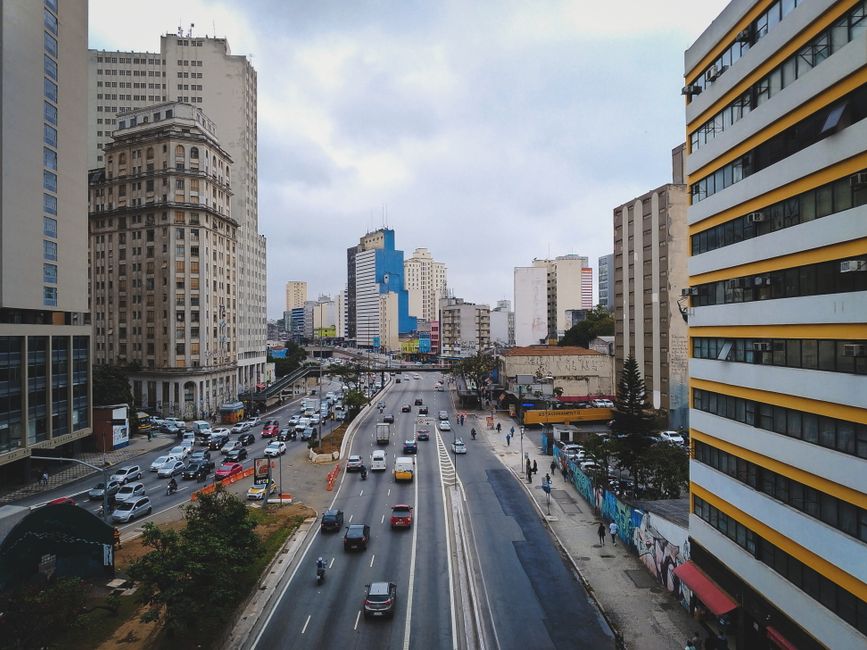
São Paulo's reputation precedes it—chaotic, energetic, relentless. But for expats willing to embrace the city's rhythm, the payoff is extraordinary. After six months or a year, most newcomers stop counting the reasons to leave and start planning where to eat dinner. Here's how to accelerate that transition.
Get the infrastructure right first. The Metro (CPTM and Metrô lines) costs around R$5 per journey and covers most central neighbourhoods efficiently. Download the MobileCidade app for real-time updates; delays are common, but the network remains your backbone. Buy a rechargeable Viva Card at any station. Taxis and ride-sharing apps cost significantly more—expect R$30–50 for cross-city trips—but offer convenience when you're exhausted. Bike lanes (ciclovias) along Avenida Paulista and connecting to Vila Mariana offer a faster, cheaper alternative for shorter distances.
Choose your neighbourhood strategically. Vila Madalena attracts creative professionals with its street art and weekend markets; Pinheiros suits families seeking residential calm; Vila Mariana offers proximity to museums and parks. Expat clusters favour Jardins and Itaim Bibi, where English speakers congregate and rents hover around R$4,000–7,000 monthly for modest two-bedroom apartments. Brooklin and Campo Belo provide better value without sacrificing access to restaurants and culture.
Build your social infrastructure. The British Chamber of Commerce, American Chamber, and Brazilian-American Cultural Institute host regular events and networking sessions—invaluable for building professional networks. InterNations São Paulo, with over 3,000 members, organises monthly meetups across neighbourhoods. Language exchange groups meet regularly at cafés in Consolação and Cerqueira César.
Understand the rhythms. December–February is summer; January is essentially shutdown season as locals escape to beaches. Winter (June–August) is mild but dry. Plan major administrative tasks (residency paperwork, healthcare registration) for March–May or September–November when government offices operate at normal capacity.
Embrace the culture strategically. Visit MASP (Museu de Arte de São Paulo) on Sundays when entrance is free. Explore Vila Madalena's street art with Instagram as your guide. Book a table at Fasano or D.O.M. months ahead, or discover equally excellent cooking at neighbourhood spots on Rua Bandeira or around Praça Benedito Calixto. Weekend food markets at Parque da Água Branca introduce you to local suppliers and regulars naturally.
São Paulo rewards curiosity with connection. Start small, stay consistent, and this city—all 12 million of us—becomes home faster than you'd expect.
This article was compiled by AI from the sources linked above and screened before publishing. See our editorial standards.
How does this story make you feel?
Spread the word
About this article
Published by The Daily São Paulo
Daily brief
Free, in your inbox before 7am. Weekdays.
More in lifestyle