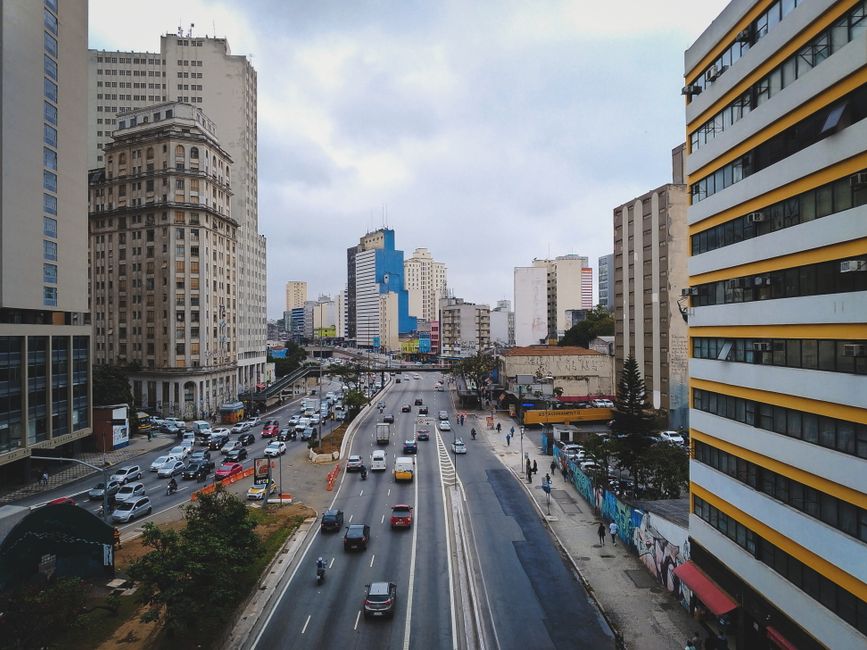
The Real Way São Paulo Gets Around: Tips and Honest Recommendations from Locals Who Live It Daily
Skip the tourist advice—here's how residents actually navigate the city's sprawling transport maze without losing their minds.
Skip the tourist advice—here's how residents actually navigate the city's sprawling transport maze without losing their minds.
São Paulo's transport system is a study in pragmatism. With over 12 million people crossing the city daily, commuters have developed an unofficial playbook that no guidebook captures. We spoke with longtime residents across different neighborhoods to decode what really works.
The Metro remains non-negotiable for anyone serious about punctuality. Lines 1, 2, and 3 form the backbone of the system, though the newer Line 15 (monorail) through the south zone has transformed commutes in Vila Mariana and Ipiranga. A single ticket costs R$4.40, but residents overwhelmingly recommend the cartão de débito automático—a rechargeable card offering modest savings. "It's the only way to avoid standing in ticket queues during peak hours," says the consensus from Pinheiros commuters heading downtown to Centro.
The buses, however, demand local knowledge. The official SPTrans system covers 2,100 routes, but viability depends entirely on your specific corridor. Paulistas living in Zona Leste and commuting to the west side report that express buses on corridors like the Via Imigrantes during off-peak hours beat Metro timing. Conversely, trying the same route during rush hour (7-9am, 5-7pm) is described by residents as "organized chaos."
Bikes have become serious transport, not just lifestyle. The Ciclovia network now spans over 500 kilometers, with dedicated lanes on Avenida Paulista and through Vila Madalena proving game-changing for shorter commutes. Several locals report switching entirely from buses to bikes for distances under 5 kilometers, citing cost (essentially free after initial bike investment) and reliability. The Bike Itaú system offers affordable hourly rentals.
For longer distances or late-night travel, ride-sharing apps dominate but with realistic caveats. Surge pricing during rainstorms—common in June—can triple costs. Most residents keep both Uber and 99 installed for price comparison, though traffic patterns mean savings are marginal.
Perhaps most importantly, longtime São Paulo residents emphasize rhythm over speed. The city doesn't move fast; it moves strategically. Building transit time into your schedule—not fighting it—is the difference between frustration and survival. Downloading apps like Moovit for real-time route optimization and accepting that your commute is simply part of your day transforms the experience entirely.
The unwritten truth: there's no "best" way around São Paulo. There's only the way that works for your specific neighborhood, your schedule, and your tolerance for the beautiful chaos that is urban Brazilian life.
This article was compiled by AI from the sources linked above and screened before publishing. See our editorial standards.
How does this story make you feel?
Spread the word
About this article
Published by The Daily São Paulo
Daily brief
Free, in your inbox before 7am. Weekdays.
More in lifestyle