Explore São Paulo's Best Heritage Sites This Season
Colonial churches and cutting-edge cultural centres reveal the city's layered identity. Here's where to visit now.
Colonial churches and cutting-edge cultural centres reveal the city's layered identity. Here's where to visit now.
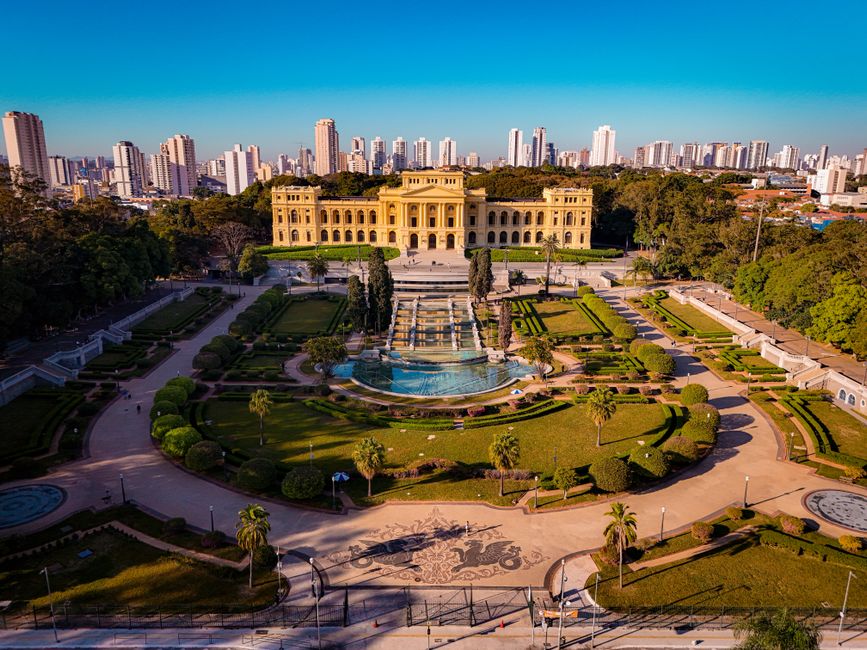
São Paulo's cultural landscape has shifted dramatically over the past eighteen months, with renewed investment in heritage spaces and grassroots initiatives reshaping how residents engage with the city's complex past. Whether you're a lifelong paulista or recent arrival, these experiences capture the city's evolving sense of self.
Start in the historic centre with the Pátio do Colégio, where São Paulo's founding story began in 1554. The recently renovated Jesuit complex now hosts rotating exhibitions exploring indigenous perspectives on colonial settlement—a deliberate shift from traditional narratives. Entry costs R$15, and Wednesday evenings feature free guided tours in Portuguese and English. Nearby, the SESC Pompéia in the neighbouring Água Branca district remains essential: this brutalist masterpiece by Lina Bo Bardi pulses with free programming, from contemporary art installations to neighbourhood history workshops. The venue's library documents São Paulo's industrial era through photography and oral histories.
Cross the Pinheiros River to Pinheiros neighbourhood, where the Instituto Moreira Salles (Avenida Paulista, 2424) has become ground zero for rethinking São Paulo's image. Its current exhibition cycle examines migration patterns that shaped the city's character—Italian, Japanese, Lebanese, and more recently Venezuelan communities. Entry is free, and the grounds offer rare green space amid urban density.
For street-level authenticity, spend an afternoon in Bom Retiro. This historically working-class neighbourhood remains a living archive of immigrant waves, with Korean restaurants occupying former Jewish bakeries, and Bolivian textile workshops thriving in converted factories. The Bom Retiro 958 Memória e Identidade project, run by residents since 2015, offers walking tours (R$40) exploring how communities have literally layered themselves onto the urban fabric.
Don't miss the Museu Afro Brasil in Ibirapuera Park, which documents four centuries of African-Brazilian cultural production through 6,000+ objects. At R$20 entry, it's among the city's most vital institutions for understanding São Paulo's demographic reality and often-overlooked contributions to national culture.
Finally, catch Thursday nights at Sesc 24 de Maio (Centre), where the organisation's experimental performance program—mixing theatre, music, and community testimony—reflects how São Paulo's youth are actively rewriting cultural narratives. Performances typically cost R$10-25.
The through-line connecting these spaces: São Paulo no longer presents culture as a finished product. Instead, residents increasingly engage with heritage as contested, collaborative, and very much in-progress.
This article was compiled by AI from the sources linked above and screened before publishing. See our editorial standards.
How does this story make you feel?
Spread the word
About this article
Published by The Daily São Paulo
Daily brief
Free, in your inbox before 7am. Weekdays.
More in culture