Walk down Rua Aspicuelta in Vila Madalena on a Friday evening and you'll witness something distinctly São Paulo: a collision of high ambition and street-level irreverence that defines how this city sees itself. The neighbourhood's restaurant boom isn't just about feeding people—it's become a statement about creative freedom, cultural fusion, and the relentless entrepreneurial spirit that pulses through Brazil's largest metropolis.
The numbers tell part of the story. São Paulo now hosts over 12,000 registered restaurants, making it one of the world's most dining-dense cities. But quantity masks the real transformation: what's emerged is a genuinely original food culture that reflects the city's identity more accurately than any gallery or theatre. The rise of chef-driven establishments in neighbourhoods like Pinheiros and Bom Retiro isn't mimicry of New York or Tokyo—it's São Paulo metabolising global influences and producing something unmistakably local.
Consider the craft bar revolution centred around Rua Aureliano Coutinho and Rua Aspicuelta. These aren't Instagram-bait speakeasies; they're laboratories where bartenders experiment with regional ingredients—cachaça reimagined, indigenous fruits transformed into bitter components, fermentation techniques borrowed from Japanese cuisine and adapted to Brazilian palates. A quality cocktail runs 35-50 reais, reflecting a market willing to invest in experimentation.
The phenomenon extends to casual dining. Neighbourhoods like Cambuci and Liberdade have become incubators for young chefs questioning what Brazilian food means. Pop-ups focusing on Afro-Brazilian cuisine, Japanese-Brazilian fusion, and pre-colonial ingredients operate with the urgency of artists, not restaurateurs following a business model. These spaces—often operating from converted residences or shipping containers—carry the same rebellious energy that defined São Paulo's street art and music scenes decades ago.
What distinguishes this moment is authenticity. Unlike cities where food culture becomes a branded experience, São Paulo's restaurant scene remains genuinely chaotic and experimental. A Michelin star carries less weight here than neighbourhood reputation and the willingness to take risks that might fail spectacularly.
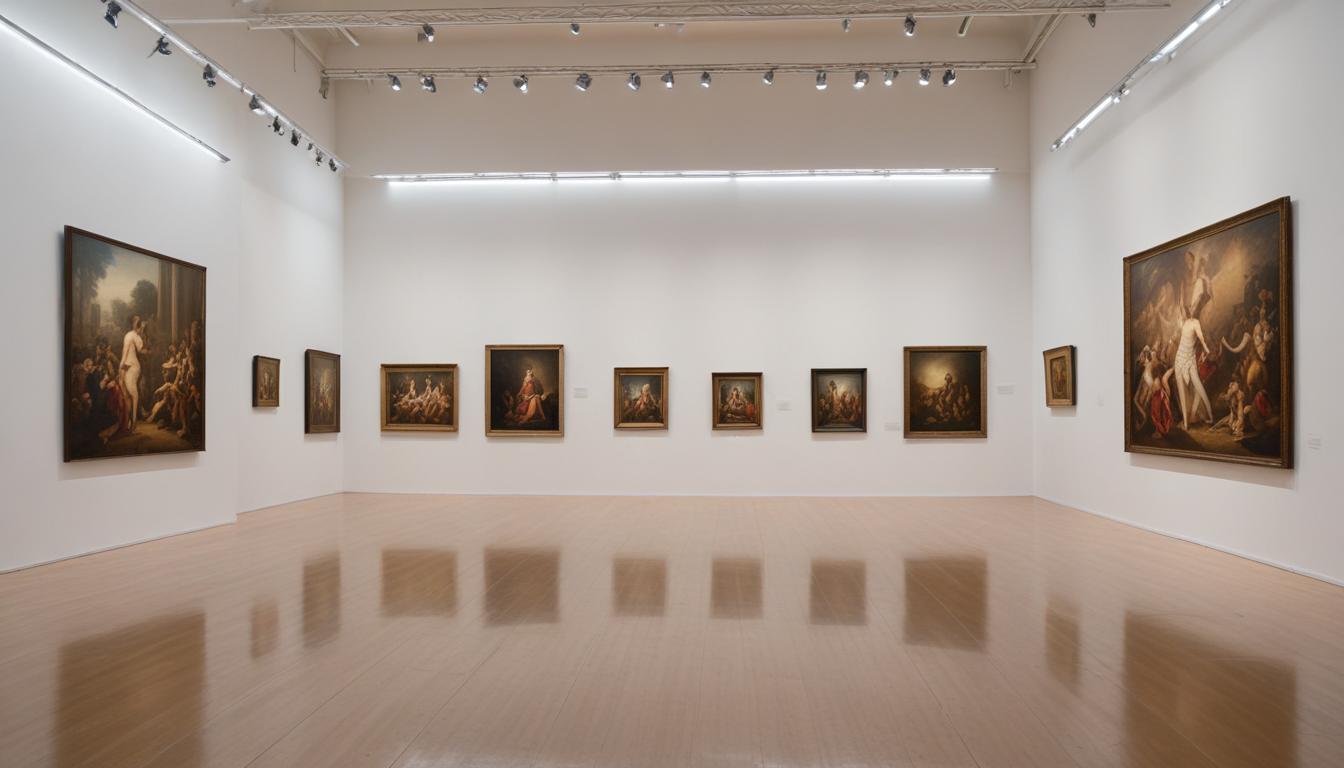
This matters culturally because restaurants have become where São Paulo processes its identity. They're where the city's contradictions—wealthy and precarious, traditional and radical, Brazilian and global—coexist without resolution. They're where creative expression has found economic viability without surrendering its edge. As the city's traditional art institutions navigate funding challenges, its food culture has become the most vital space where artists, entrepreneurs, and communities genuinely collaborate.
For a city perpetually reinventing itself, this is where that reinvention actually happens.
This article was compiled by AI from the sources linked above and screened before publishing. See our editorial standards.