Walk down Rua Aspicuelta in Vila Madalena on any given Saturday, and you'll notice the shift. Where established muralists once dominated, younger artists now layer their work with augmented reality codes, QR-linked narratives and politically charged symbolism that speaks directly to Gen Z audiences. The creative district that made São Paulo synonymous with street art globally is experiencing a generational handoff—one that's messier, more urgent, and distinctly different from the Instagram-friendly aesthetics of the 2010s.
This transition reflects broader shifts in how São Paulo's creative youth engage with public space. According to data from the Associação Brasileira de Arte Urbana, nearly 60% of emerging street artists now operating in the city are under 28, with approximately 40% based in peripheral neighbourhoods like Campo Limpo and Itaquera rather than traditionally wealthy creative hubs. The economics have shifted too: while established muralists command R$15,000–R$40,000 for commercial projects, emerging talent works for R$3,000–R$8,000, creating incentive for brands and local businesses to take risks on unproven voices.
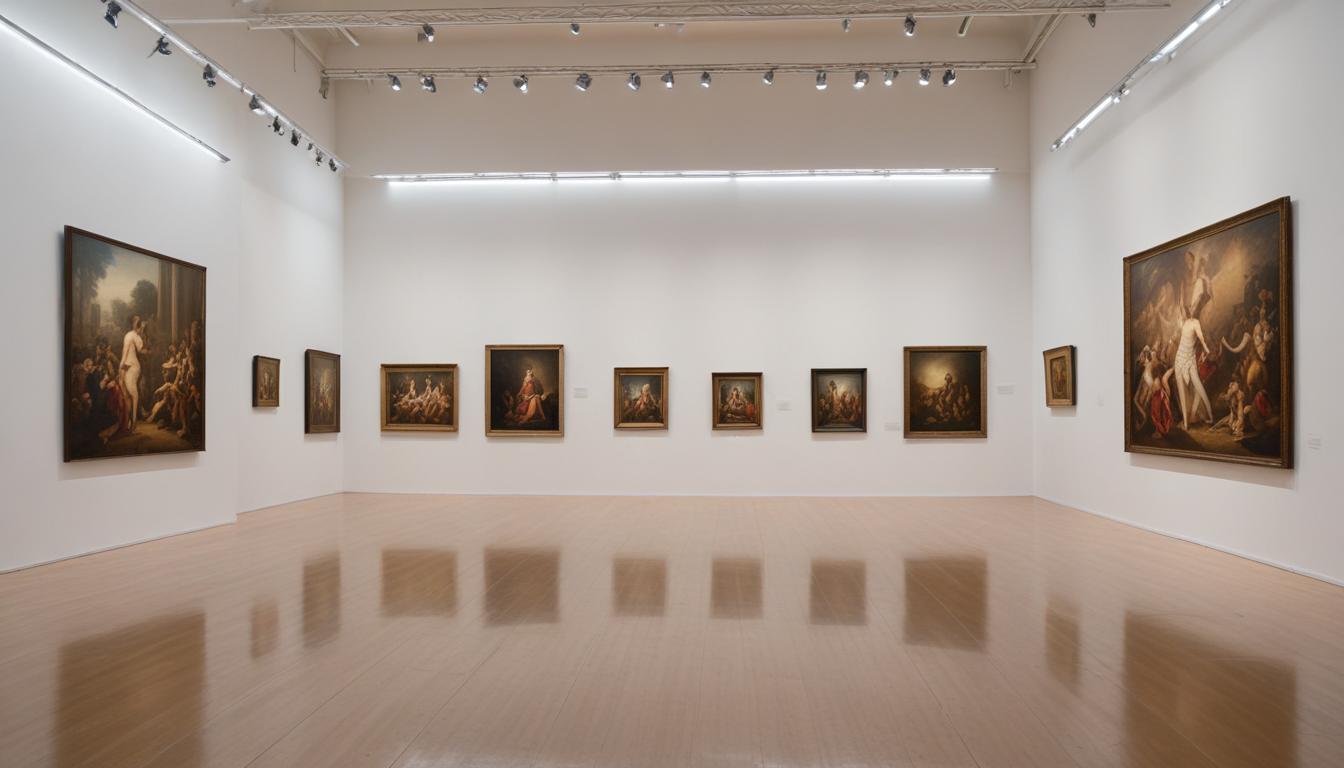
Districts like Pinheiros—historically overshadowed by Vila Madalena's international reputation—have become testing grounds. Rua Artur de Azevedo and the surrounding area now host monthly artist collectives and pop-up galleries that function as informal galleries, while Bom Retiro, long associated with textile manufacturing, has emerged as a hotbed for installation and sculptural work. The Sesc Pinheiros and smaller venues like Galeria Choque Cultural continue nurturing experimental work, but grassroots initiatives increasingly matter more than institutional validation.
What distinguishes this wave is thematic urgency. Where previous generations explored abstraction and formal innovation, emerging artists engage directly with housing crises, racial justice, and climate anxiety. The work is deliberately provocative—less concerned with decorative appeal than with community dialogue. Several young collectives have begun creating temporary installations that disappear within weeks, intentionally rejecting permanence and ownership, a philosophical stance that marks a departure from the monument-building ethos of earlier muralism.
The question now is durability. Will São Paulo's institutional art world absorb these emerging voices, or will the next wave remain deliberately outside those structures? Evidence suggests the latter. Unlike their predecessors, many emerging artists view commercial success with suspicion, preferring to maintain creative autonomy even at lower financial reward. As the city's street art infrastructure matures, this generation's refusal to be commodified may prove to be their most radical contribution yet.
This article was compiled by AI from the sources linked above and screened before publishing. See our editorial standards.