São Paulo's cultural landscape has undergone a remarkable metamorphosis over the past four decades, transforming from a primarily industrial metropolis into a city recognized globally for its artistic vitality. This evolution isn't marked by a single moment but rather through the gradual gentrification, revival, and repositioning of neighbourhoods that define the city's contemporary identity.
The journey began in earnest during the 1980s, when Vila Madalena emerged as the epicentre of São Paulo's bohemian movement. Artists, musicians, and intellectuals migrated to the neighbourhood's narrow streets, transforming old residential buildings into galleries, theatres, and experimental venues. The iconic Rua Aspicuelta became synonymous with countercultural expression, hosting galleries and bars that challenged the military dictatorship's restrictions on artistic freedom. Today, while rents have skyrocketed—a modest two-bedroom apartment in the area now commands upwards of R$4,000 monthly—the neighbourhood retains its creative DNA, with establishments like Sesc Pompéia continuing to democratize access to cultural programming.
Pinheiros, historically a working-class neighbourhood, has similarly reinvented itself. In the 1990s, independent bookstores, design studios, and craft breweries began colonizing its commercial corridors. Rua Joaquim Antunes transformed into a destination for design-conscious Paulistas, while Rua Bom Retiro evolved from a textile manufacturing hub into an arts corridor, with studios and galleries now occupying former factory spaces. This repurposing reflects a broader São Paulo phenomenon: the adaptive reuse of industrial infrastructure into cultural infrastructure.
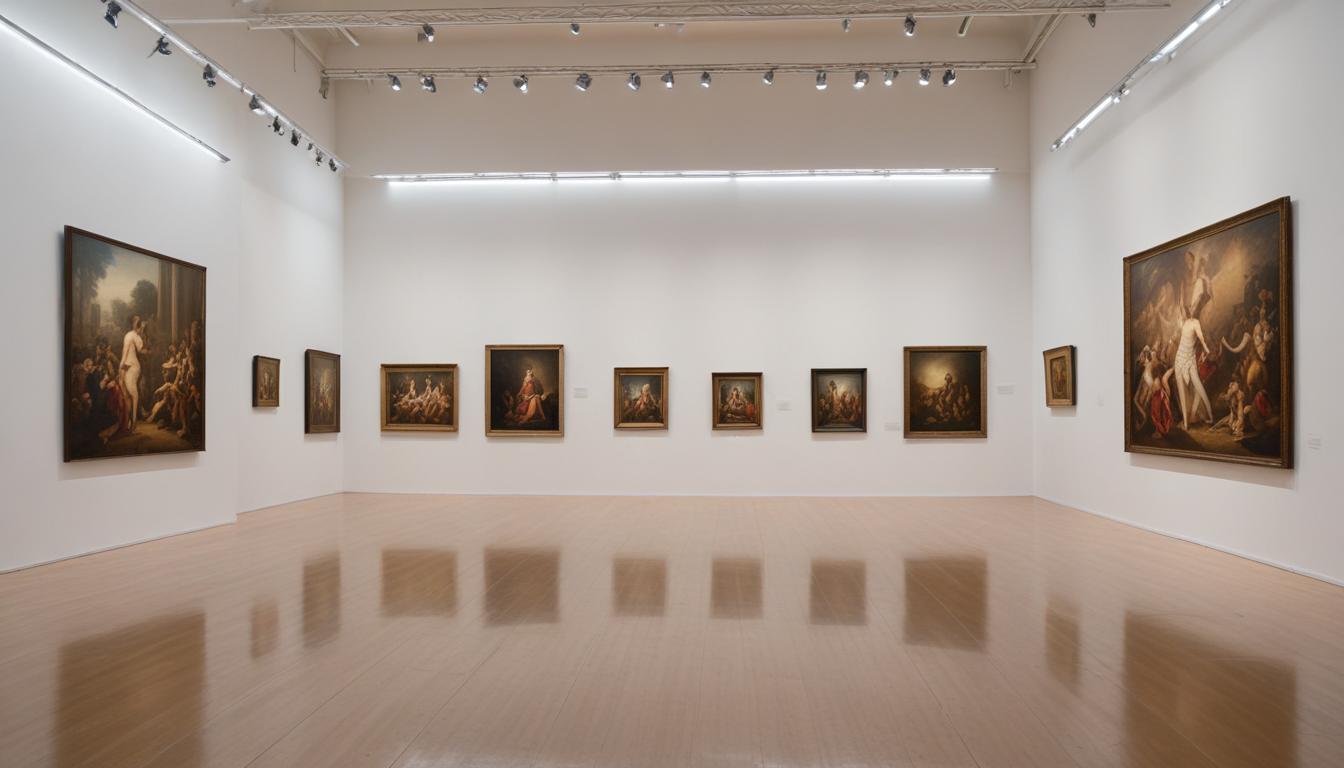
The Bom Retiro neighbourhood itself deserves particular attention. Once the heart of São Paulo's Jewish and Armenian communities, and later a centre for Korean and Bolivian immigration, Bom Retiro's cultural identity has always been multilayered. Recent years have seen younger curators and artists reclaim abandoned warehouses, creating unconventional exhibition spaces that honour the neighbourhood's immigrant heritage while pushing contemporary boundaries.
What distinguishes São Paulo's cultural evolution from other global cities is its resistance to homogenization. While gentrification pressures are undeniable, grassroots organizations and municipal initiatives have fought to preserve affordable creative spaces. The city's street art scene—particularly in neighbourhoods like Tatuapé and Penha—represents perhaps the most democratic form of cultural expression, with murals covering entire buildings and transforming urban decay into visual statements.
As São Paulo navigates 2026, its cultural institutions face a paradox: maintaining authenticity while accommodating growth. The answer, increasingly, lies not in singular iconic venues but in the networked ecosystem of independent galleries, artist collectives, and community spaces that have long characterized the city's grassroots cultural production.
This article was compiled by AI from the sources linked above and screened before publishing. See our editorial standards.