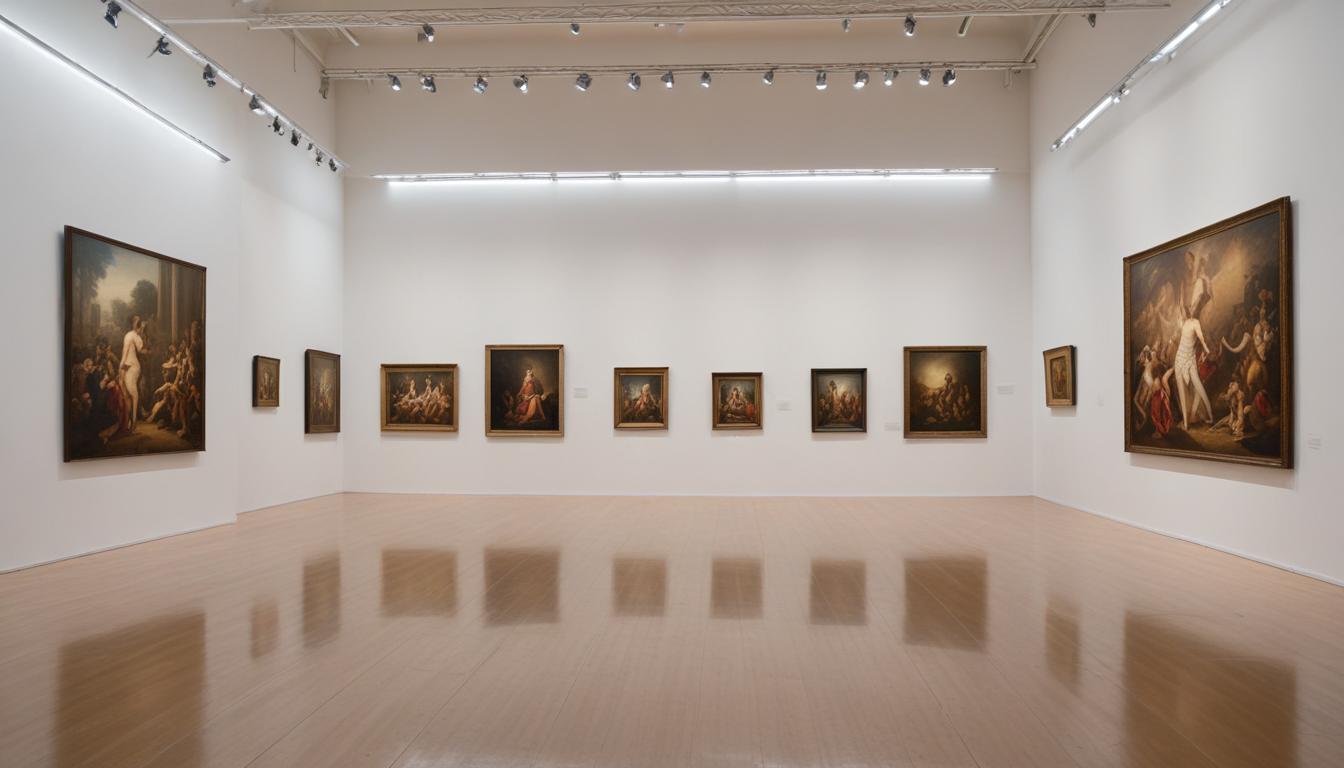
In the early 1990s, São Paulo's art scene was concentrated in predictable corners: the wealthy enclaves of Vila Mariana, where established collectors held court, and a scattering of state institutions like the Museu de Arte de São Paulo on Avenida Paulista. The story of how this rigid geography exploded into something far more democratic and geographically dispersed is the story of the city itself.
The watershed moment came with the discovery of the Pinheiros neighborhood. What began as a handful of artist-run galleries in converted warehouses along Rua Bom Pastor and Rua Bandeira in the late 1990s became a cultural phenomenon. Galeria Fortes Vilaça, established in 1999, symbolized a new confidence—galleries no longer needed traditional addresses or institutional backing to gain international credibility. Within a decade, over 80 galleries had opened in a three-block radius, transforming a post-industrial zone into what locals call the city's creative spine.
The 2004 founding of Projeto Hélio Oiticica marked another turning point, introducing São Paulo audiences to institutional critique and experimental practices that challenged market-driven models. By 2010, the city hosted approximately 200 galleries and counting, compared to barely 50 in 1995. The economic democratization was real: rent in Pinheiros, while rising, remained a fraction of Manhattan or London prices, attracting international curators and artists seeking affordable studio space with ambition.
Vila Madalena followed a similar arc, its bohemian character—anchored by street art and underground music venues—providing fertile ground for galleries like Galeria Melissa and smaller artist collectives. Meanwhile, the institutional landscape matured with expansions to the Pinacoteca do Estado and the emergence of the Instituto Moreira Salles, which introduced free-admission contemporary programming across multiple locations.
Today's scene is genuinely dispersed. The Museu de Arte Contemporânea moved beyond its Ibirapuera roots. Independent spaces in Vila Leopoldina, Brooklin, and even peripheral zones like Sapopemba now host serious curatorial programming. Entry prices typically range from R$25–R$40 (approximately $5–$8 USD), with numerous free events and artist talks maintaining the democratic impulse that defined the movement's origins.
What emerged was neither pure marketplace nor pure institution, but something distinctly Paulista: scrappy, multinational, politically conscious galleries sharing block space with aging manufacturing facilities and street vendors. The scene's evolution reflected the city's own restless reinvention—proof that great art infrastructure doesn't require centuries of tradition, just hunger and space to grow.
This article was compiled by AI from the sources linked above and screened before publishing. See our editorial standards.