São Paulo's Living History: What First-Time Visitors Must Know About the City's Cultural Soul
From colonial architecture to modernist masterpieces, São Paulo's neighbourhoods tell the story of Brazil's most complex and dynamic metropolis.
From colonial architecture to modernist masterpieces, São Paulo's neighbourhoods tell the story of Brazil's most complex and dynamic metropolis.
São Paulo isn't built on a single narrative—it's a palimpsest of overlapping histories, each neighbourhood a chapter in the city's restless reinvention. For visitors seeking to understand Brazilian cultural identity, this sprawling megalopolis of 12 million demands patience and curiosity in equal measure.
Start in the historic centre, where the Pátio do Colégio marks the 1554 founding spot. The adjacent Museu Anchieta tells the story of São Paulo's Jesuit origins, though the real revelation comes by walking Rua 25 de Março and Rua São Bento, where 16th-century street patterns still shape commerce today. The Art Deco Edificio Copan looms overhead—Niemeyer's 1966 masterwork that epitomizes São Paulo's modernist confidence.
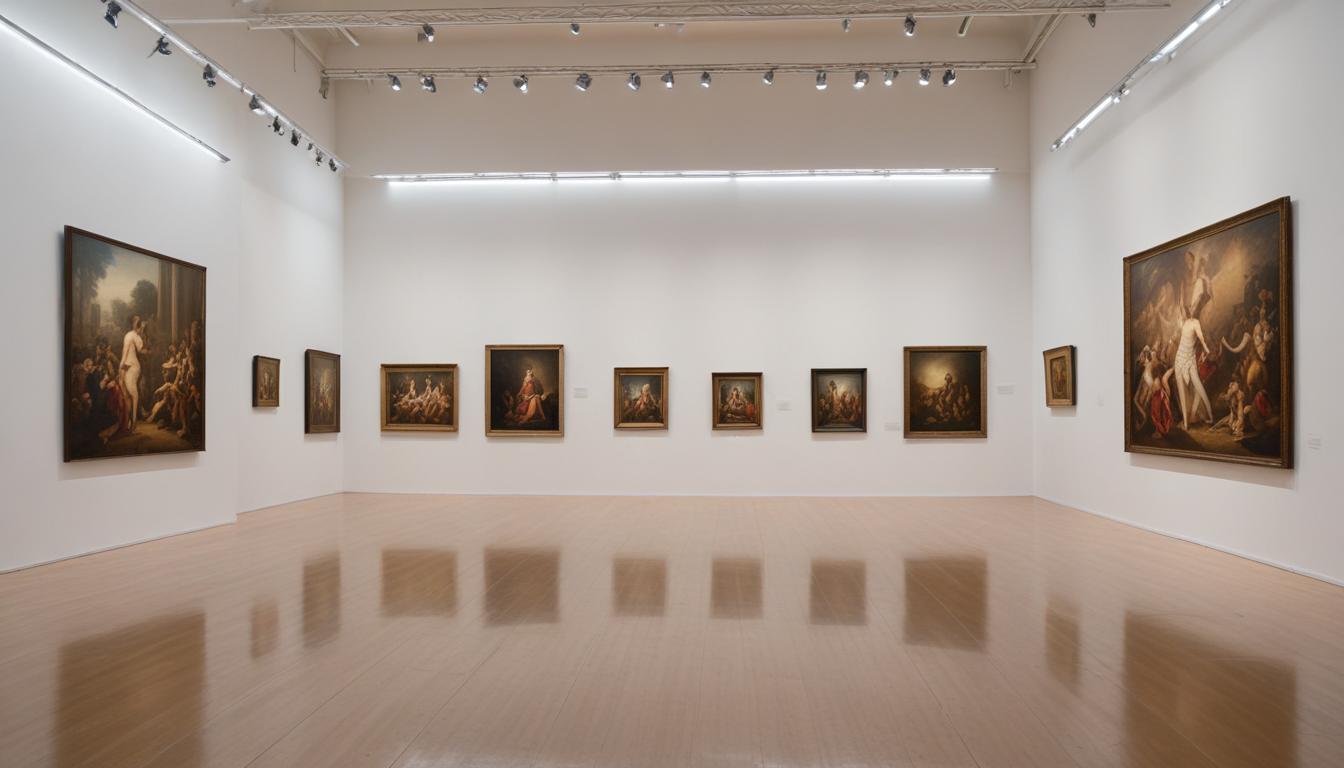
But São Paulo's cultural identity truly crystallized during the 20th century. The Pinacoteca do Estado and MASP (Museu de Arte de São Paulo) house Latin America's most significant art collections, with works spanning Brazilian modernism to contemporary practice. MASP's iconic red structure on Avenida Paulista, designed by Lina Bo Bardi in 1968, remains architecturally revolutionary—a building that seems to float.
Neighbourhood character matters enormously here. Vila Madalena, once a bohemian enclave, still pulses with street art and independent galleries, though gentrification has accelerated since 2015. Liberdade preserves São Paulo's Japanese-Brazilian heritage through markets, restaurants, and the Museu da Imigração. Bom Retiro documents Italian and Jewish immigration through architecture and small museums. These areas cost nothing to explore on foot—neighbourhood walking reveals more than any guidebook.
The Luz district's cultural corridor includes the Pinacoteca, Estação da Luz (a 1901 Victorian railway station), and the Museu da Língua Portuguesa, which creatively explores Portuguese linguistic identity. Entry to most museums costs 30-50 reais (roughly $6-10 USD); many offer free hours on Thursdays.
What first-time visitors often miss: São Paulo's identity isn't monumental or easily packaged. It's a city where Japanese tea houses neighbour German beer halls, where favela culture influences mainstream music, where Indigenous history remains largely invisible in official narratives. The Municipal Theatre, completed in 1911, hosts world-class performances but requires seeking out.
Plan at least four days. The city reveals itself through cumulative experience—metro rides, street conversations, late-night conversations in Vila Madalena bars. São Paulo demands engagement, not consumption. That friction is precisely where its cultural authenticity lives.
This article was compiled by AI from the sources linked above and screened before publishing. See our editorial standards.
How does this story make you feel?
Spread the word
About this article
Published by The Daily São Paulo
Daily brief
Free, in your inbox before 7am. Weekdays.
More in culture