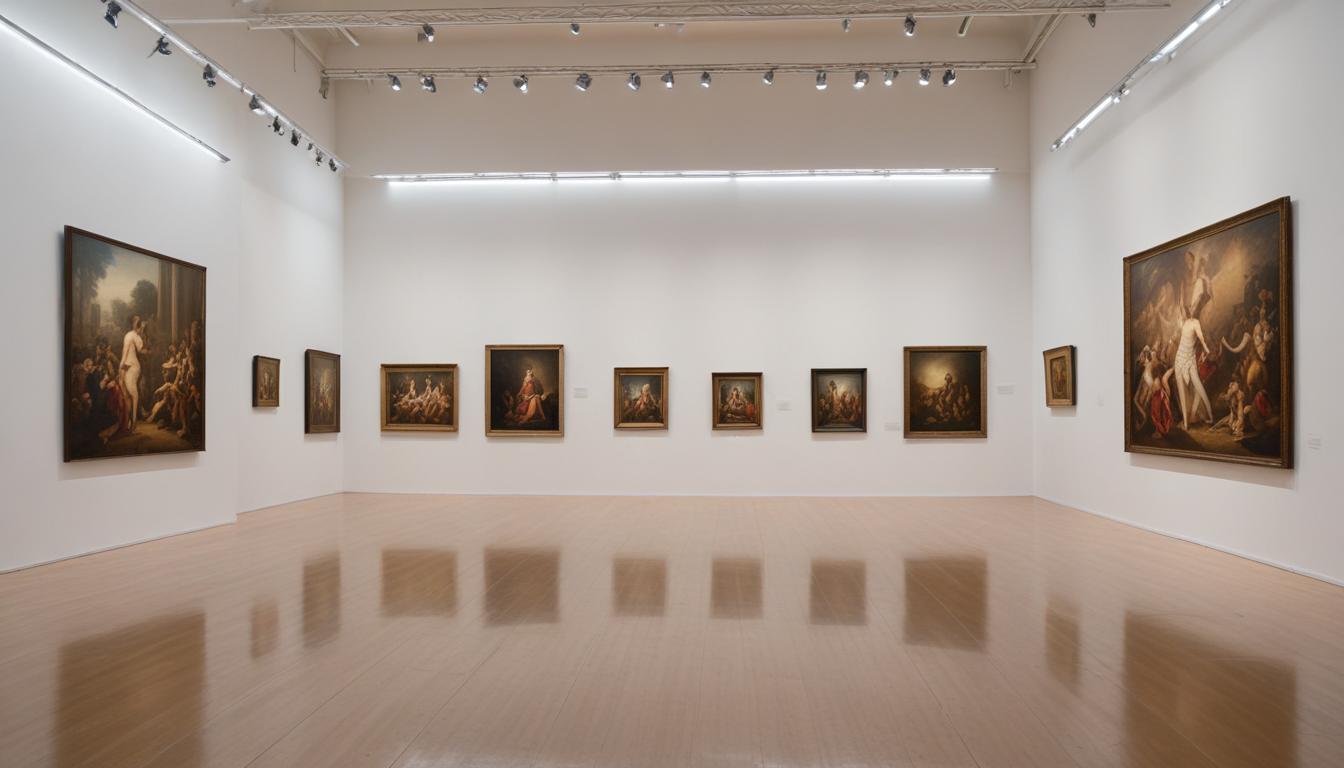
From Warehouses to World Stage: The Visionaries Who Built São Paulo's Gallery Renaissance
Meet the curators, architects and entrepreneurs who transformed the city's forgotten industrial zones into Latin America's most dynamic contemporary art hub.
Meet the curators, architects and entrepreneurs who transformed the city's forgotten industrial zones into Latin America's most dynamic contemporary art hub.
Walk through Vila Madalena on a Friday evening and you'll see São Paulo's art world in full bloom—but few visitors know the decades of struggle and improvisation that created this landscape. Behind every polished white cube gallery lies a story of risk-takers who bet everything on a city that didn't yet believe in itself.
The transformation began in the late 1990s when young collectors and artists started leasing abandoned textile warehouses in Pinheiros and Bom Retiro. These neighbourhoods, once industrial heartlands, had been left behind by the city's northward expansion. What these pioneers saw wasn't decay—it was possibility. They invested personal fortunes into climate-controlled spaces, spent weekends plastering walls, and drove artists from Rio and São Paulo to show work in locations without proper transport links.
Today, the Pinheiros-Vila Madalena corridor hosts over 140 registered galleries, according to the São Paulo Gallery Association, generating an estimated R$180 million annually in sales. The Pinacoteca do Estado remains the institutional anchor, but the ecosystem built around it—from Galeria Fortes Vilaça on Rua Fradique Coutinho to the artist-run collectives scattered through neighbouring blocks—represents something more ambitious: a genuinely independent art market.
What makes this story particularly São Paulo is how it reflects the city's pragmatic optimism. When Projeto Tama began in Bom Retiro in 2003, its founders were told the neighbourhood was too dangerous, too far, too unpromising. Two decades later, it's become a laboratory for emerging artists, hosting over 8,000 visitors annually across its 2,000-square-metre space. Similar stories repeat across the city: small teams with vision outmaneuvering skepticism.
The market isn't without tension. Rising rents in Vila Madalena—climbing 40% in the past five years—have pushed some galleries toward Brás and the east side, creating a secondary wave of revitalization. Some purists argue this geographical dispersal fragments the scene; pragmatists see it as healthy expansion.
What remains constant is the temperament of those behind the scenes: curators who curate in the mornings and manage logistics in the afternoons; architects who've become archivists of their own work; collectors who took enormous financial risks on artists before their market value existed. They created São Paulo's art infrastructure not because it was profitable, but because they believed the city deserved one. That belief, tested repeatedly and validated by time, remains the scene's true currency.
This article was compiled by AI from the sources linked above and screened before publishing. See our editorial standards.
How does this story make you feel?
Spread the word
About this article
Published by The Daily São Paulo
Daily brief
Free, in your inbox before 7am. Weekdays.
More in culture