Your Complete Guide to São Paulo's Best Local Heritage Experiences Right Now
From revitalized museums to neighbourhood walking routes, here's where to discover the city's cultural soul this winter season.
From revitalized museums to neighbourhood walking routes, here's where to discover the city's cultural soul this winter season.
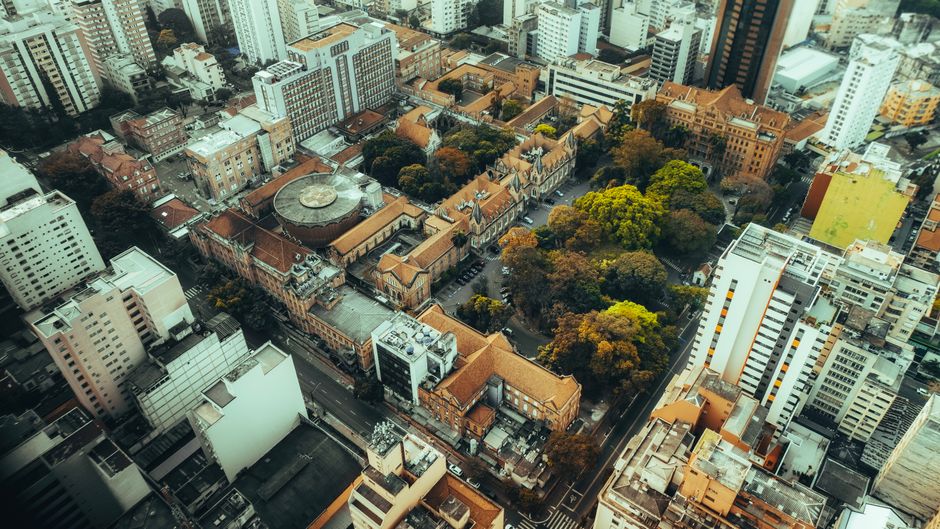
São Paulo's identity pulses through its streets like few global cities can match. If you're seeking authentic connection to local heritage right now, abandon the tourist circuit and follow these neighbourhood-specific experiences that define contemporary São Paulo culture in 2026.
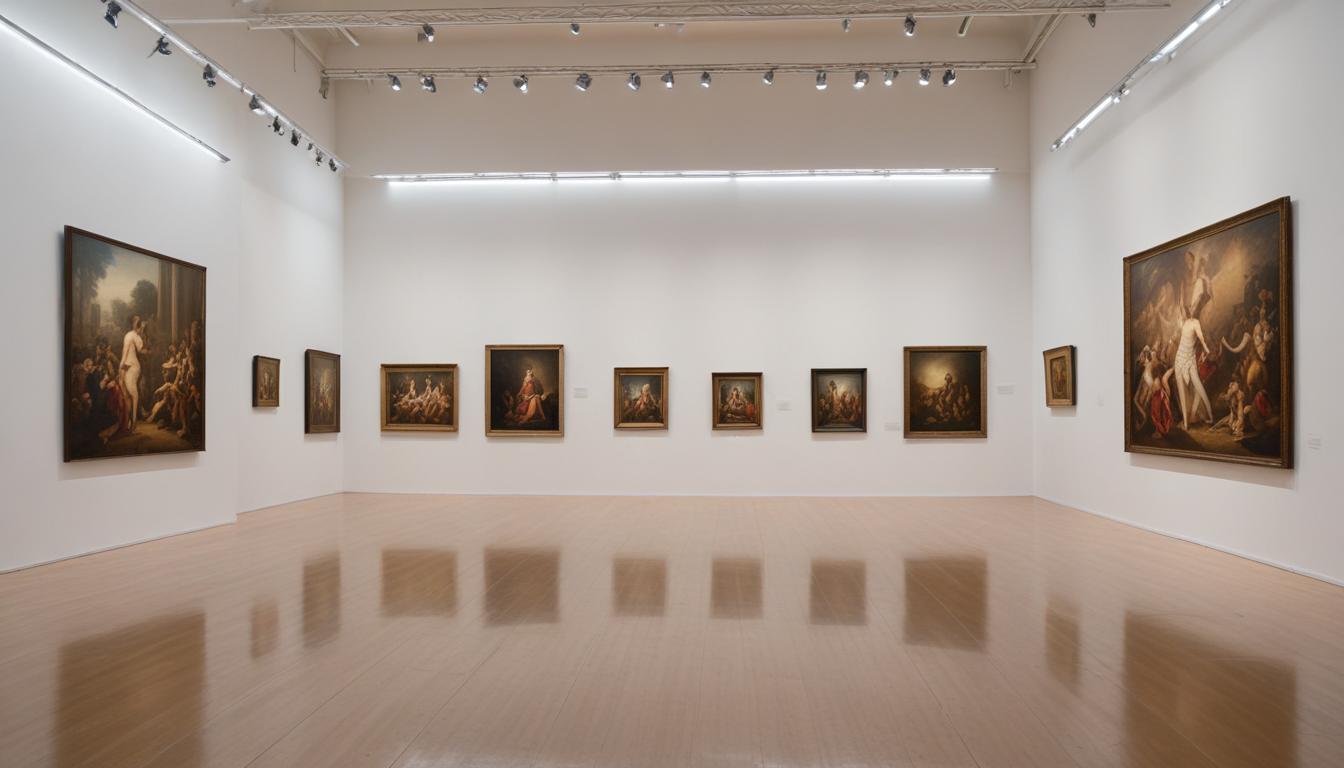
Start in the Luz district, where the SESC Pompéia—the iconic brutalist cultural hub designed by Lina Bo Bardi—offers free entry on Sundays (regular admission: R$20). The neighbouring Pinacoteca do Estado (R$15) has recently reopened its restored colonial galleries, housing works that trace Brazilian visual culture from the 19th century forward. Walk south toward Avenida Tiradentes, where street murals by collective graffiti artists like Os Gêmeos continue evolving the city's visual language daily.
The Bexiga neighbourhood remains São Paulo's bohemian heartland. Rua 13 de Maio hosts independent galleries, vintage bookshops, and the historic Teatro de Contadores de Histórias, where locals still gather for traditional storytelling performances (typically R$30-R$50). The neighbourhood's Italian-immigrant heritage pairs with contemporary street art installations—a living contradiction that defines São Paulo's character.
For deeper historical immersion, the Museu da Casa Brasileira in Vila Mariana (R$25, Wednesdays free after 2pm) showcases domestic architecture spanning four centuries. The adjacent streets reveal converted colonial mansions now functioning as cultural spaces, design studios, and intimate dining venues frequented by locals rather than tourists.
Don't miss the SESC Carmo in the Centro district, recently expanded to include expanded exhibition spaces. The building itself—a 16th-century convent—embodies São Paulo's archaeological layers: religious institution, warehouse, cultural centre. Current programming through August emphasizes São Paulo photographers documenting urban transformation across five decades.
The Instituto Moreira Salles on Avenida Paulista (free admission) periodically showcases exhibitions on Brazilian identity and regional culture. Nearby, the smaller Estação Pinacoteca offers intimate encounters with contemporary São Paulo artists working in traditional and digital media.
End your route in Vila Madalena, where independent galleries line quiet streets and local art collectives maintain working studios. The neighbourhood epitomizes how São Paulo constantly reinvents itself—former warehouses become performance spaces, residential buildings display commissioned murals, and street food vendors preserve traditional recipes while experimenting with contemporary techniques.
These spaces function less as museum exhibits and more as living laboratories where São Paulo's multicultural inheritance—indigenous, African, European, and Asian—continues negotiating its present form. Visit midweek mornings for genuine local rhythms rather than weekend crowds.
This article was compiled by AI from the sources linked above and screened before publishing. See our editorial standards.
How does this story make you feel?
Spread the word
About this article
Published by The Daily São Paulo
Daily brief
Free, in your inbox before 7am. Weekdays.
More in culture