Beyond the Spotlight: São Paulo's Emerging Voices Reshape Theatre and Film
A new generation of directors, writers and performers in the capital's independent spaces are challenging conventions and redefining what Brazilian storytelling can be.
A new generation of directors, writers and performers in the capital's independent spaces are challenging conventions and redefining what Brazilian storytelling can be.
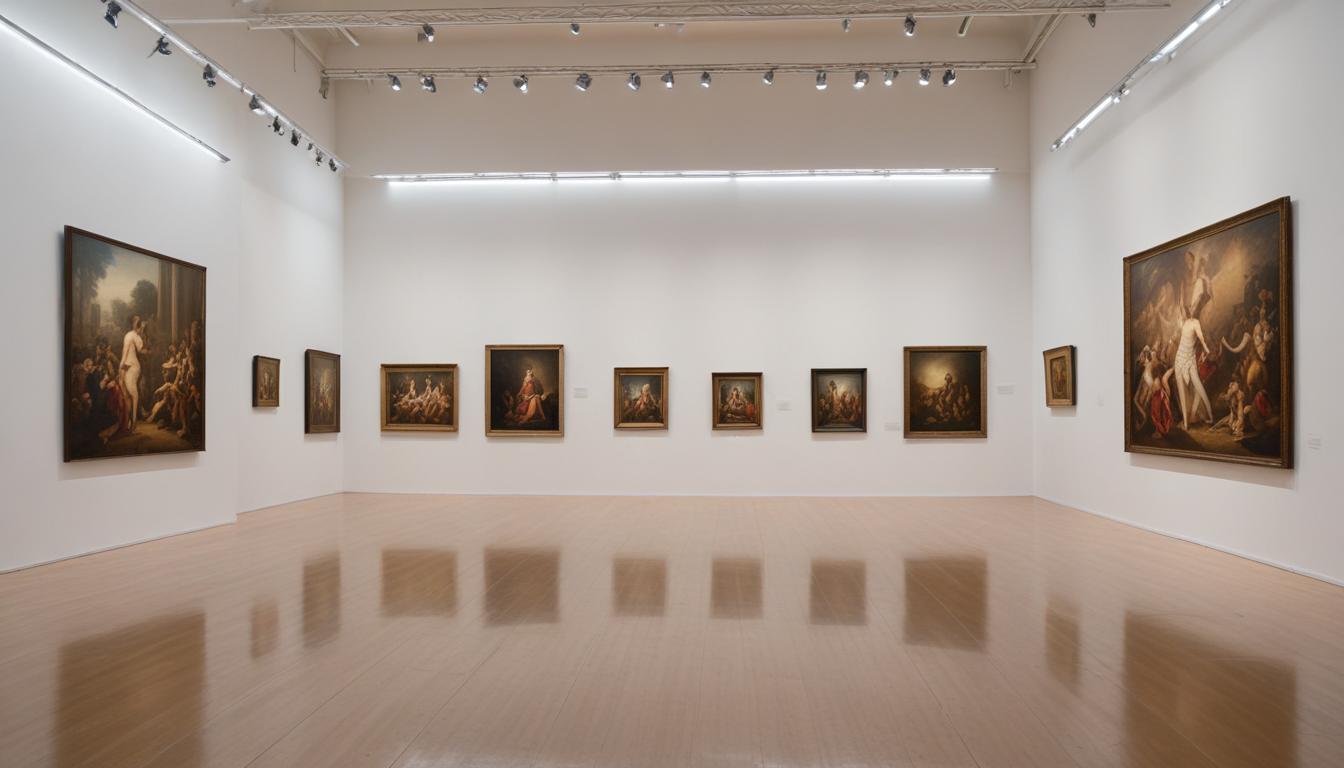
Walk through Vila Madalena on any given Thursday evening and you'll find theatres packed with audiences half the age of traditional playgoers. At Espaço Parlapatões, a 80-seat venue tucked into a converted house on Rua Mourato Coelho, young directors are staging works that wouldn't have found backing five years ago—intimate character studies about queer identity, class struggle and the anxieties of Gen Z São Paulo.
This shift reflects a broader democratisation of São Paulo's performing arts landscape. While the Theatro Municipal and SESC Pompéia remain cultural anchors drawing established names, emerging talent increasingly finds oxygen in independent circuits. The number of registered independent theatre companies in the city has grown 34 per cent since 2022, according to data from the Secretaria Municipal de Cultura, with many operating on shoestring budgets and collective labour models.
"The barrier to entry has dropped dramatically," explains the infrastructure at venues like Sarau da Turnê in the Bom Retiro neighbourhood, where emerging filmmakers screen debut features to standing-room-only crowds. Production costs have fallen through accessible digital tools, while streaming platforms have created new hunger for Brazilian voices beyond Rio and São Paulo's traditional gatekeepers.
In cinema, the pattern mirrors theatre's trajectory. Young directors working out of shared studios in Pinheiros and Consolação are producing formally ambitious work that bypasses traditional distribution entirely. Recent Mostra de Cinema festival submissions show a sharp rise in debuts from makers aged under 30, many drawing from lived experience in peripheral neighbourhoods rather than reproducing metropolitan clichés.
The economics remain precarious. Average ticket prices at independent venues hover around 40–60 reais—affordable compared to commercial cinema but still significant for audiences in outer zones. Yet what's striking is persistence. Collectives rotate organisational duties, artists cross-pollinate between theatre and film, and audiences build genuine communities rather than consuming passively.
Institutional support, while improving, remains scattered. The Programa de Incentivo à Cultura provides funding, but application processes favour experienced producers. Many emerging artists piece together grants, bar wages and crowdfunding to sustain work.
What unites this generation isn't a shared aesthetic but shared hunger: to tell São Paulo stories—messy, multilingual, economically diverse—outside inherited hierarchies. They're not waiting for permission from established festivals or distribution networks. They're building stages themselves, one packed room in Vila Madalena, Bom Retiro or Consolação at a time.
This article was compiled by AI from the sources linked above and screened before publishing. See our editorial standards.
How does this story make you feel?
Spread the word
About this article
Published by The Daily São Paulo
Daily brief
Free, in your inbox before 7am. Weekdays.
More in culture