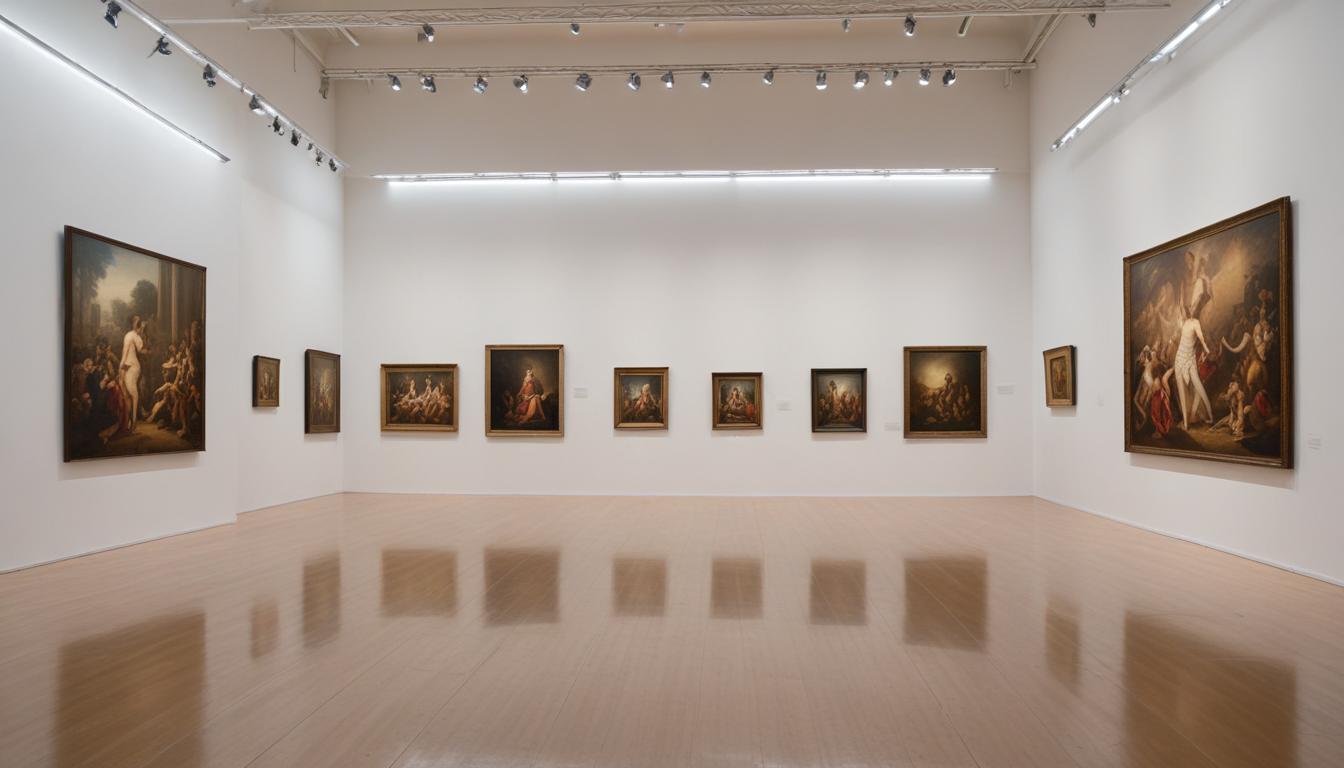
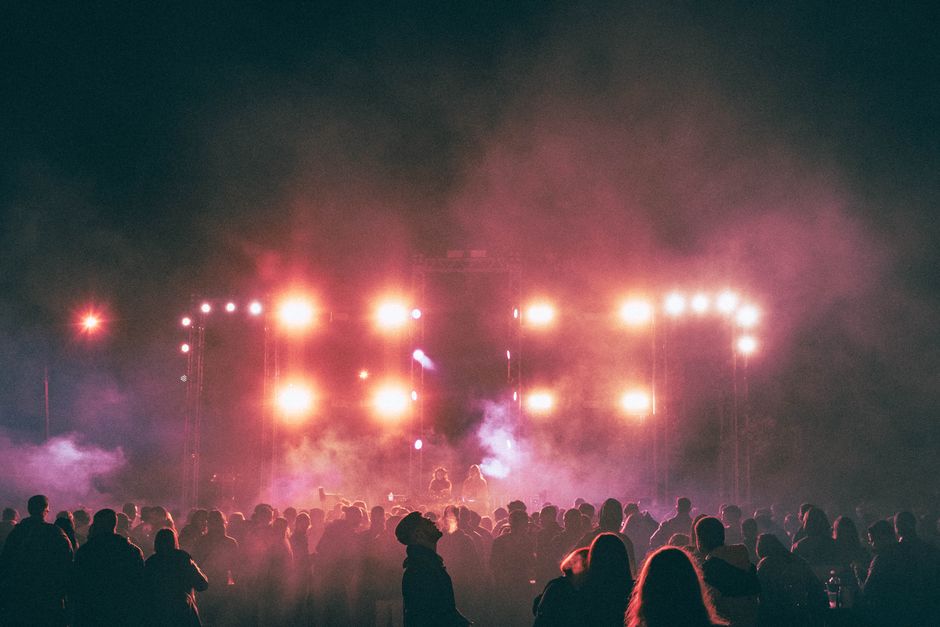
Walk down Rua Aspicuelta on any Friday night and you'll encounter the beating heart of São Paulo's creative scene—galleries spilling onto pavements, murals commanding entire building facades, bars packed with musicians and designers. But this cultural powerhouse wasn't handed down by city planners or corporate developers. It was built, street by street, by artists who chose to stay when property was worthless.
In the 1980s, Vila Madalena was a working-class residential neighbourhood, dismissed by most paulistas as peripheral and unremarkable. The area, nestled in the Pinheiros district near the Pinheiros River, had fallen into disrepair. Property values hovered around 3,000 reais per square metre—a fraction of what neighbourhoods like Jardins commanded. But for painter Waldemar Zaidler and sculptor Túlio Tavares, the low rents meant something revolutionary: artists could afford to live and work here.
What began in the late 1980s as informal studio spaces in converted warehouses gradually attracted musicians, fashion designers, and photographers seeking affordable alternatives to overcrowded central locations. By the early 1990s, the neighbourhood had become an unlikely magnet. A handful of pioneering gallery owners—figures whose names are now part of local folklore—opened spaces like Galeria Fortes Vilaça and Casa Triângulo, institutions that would later become internationally recognised.
The transformation accelerated through the 1990s, driven by grassroots cultural activism rather than top-down investment. Residents organised street art festivals, leveraging the neighbourhood's raw brick walls as canvases. By 2005, Vila Madalena had become unrecognisable from a generation prior: property values had surged to 18,000 reais per square metre. Many of the original artists were priced out.
Today, the neighbourhood remains São Paulo's most vibrant cultural district, attracting roughly 2 million visitors annually. Yet this success story carries an ironic undertone familiar to global cities: the very artists who created the scene largely cannot afford to remain in it. The Museu de Arte de São Paulo (MASP) on Avenida Paulista may house the nation's finest collections, but it was the scrappy creativity of Vila Madalena's pioneers that democratised Brazilian art and proved that culture doesn't require institutional blessing.
Understanding Vila Madalena means understanding that São Paulo's cultural identity wasn't architected by elites—it was built by people who believed an overlooked corner of the city deserved beauty, expression, and possibility.
This article was compiled by AI from the sources linked above and screened before publishing. See our editorial standards.