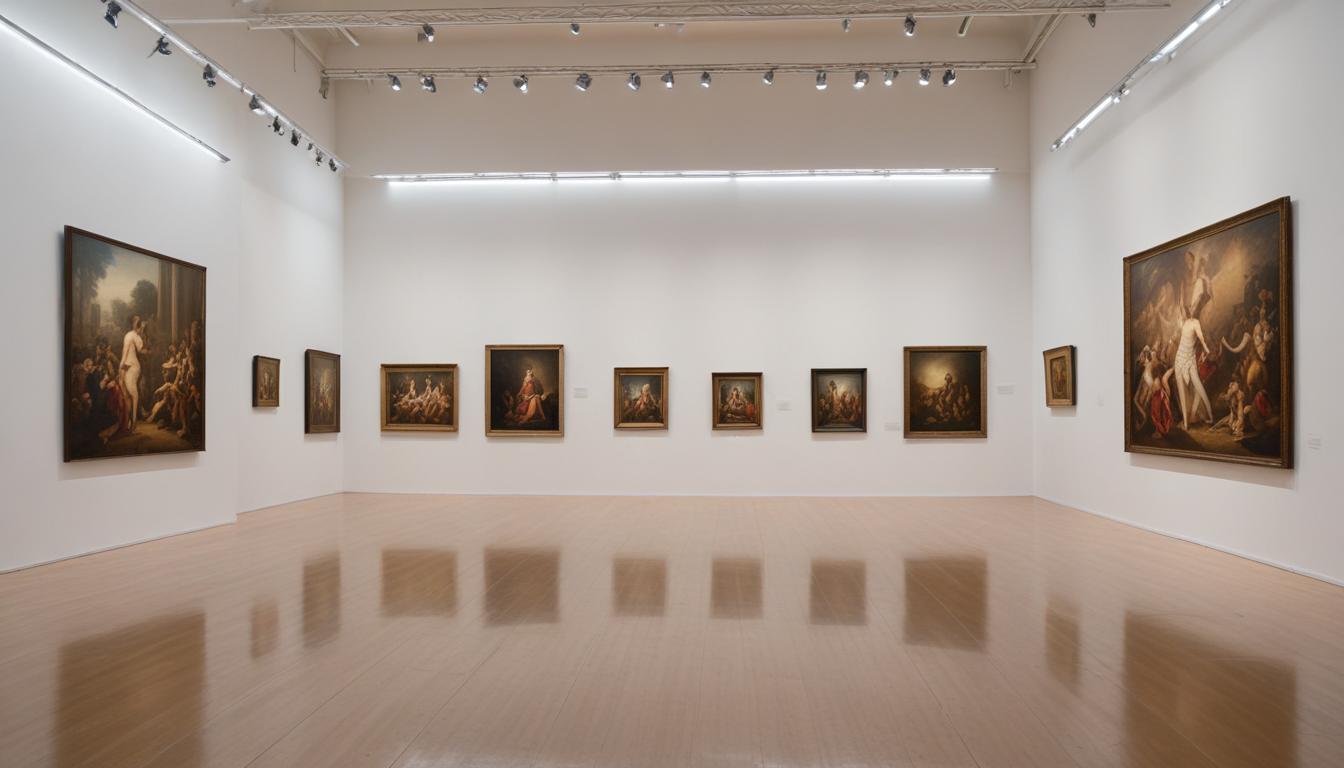
Walk through the cobblestone streets of Vila Madalena on any given Saturday, and you'll encounter a creative ferment that has quietly transformed São Paulo's cultural landscape. Fashion ateliers sit alongside art galleries and independent bookstores, while young designers work from converted warehouses in the neighbourhood's historic district. This is no accident—it's the visible manifestation of a shift that's repositioning Brazil's largest city as a serious contender in global creative industries.
The numbers tell part of the story. São Paulo's fashion and creative sectors now generate approximately 2.8 billion reais annually, according to recent municipal data, employing over 85,000 people directly. But the real transformation runs deeper than economics. Fashion design has become the lens through which São Paulo defines itself culturally—a synthesis of African diasporic aesthetics, indigenous influences, and cosmopolitan ambition that distinguishes the city from competitors like Rio de Janeiro.
The Bom Retiro neighbourhood, historically a textile manufacturing hub, has evolved into an incubator for experimental design. Studios here range from established names to first-time entrepreneurs operating from modest spaces, their windows displaying everything from sustainable streetwear to avant-garde couture. Meanwhile, institutions like SENAC Fashion School and the São Paulo Fashion Week—one of the world's Big Four events alongside Milan, Paris, and New York—have created infrastructure that nurtures talent at every level.
What distinguishes São Paulo's approach is its refusal to chase European templates. Designers working here increasingly draw on the city's multicultural composition: its substantial Japanese, Lebanese, Italian, and African communities each leaving imprints on the local aesthetic. This cultural cross-pollination produces work that feels unmistakably Paulista, yet globally relevant.
The economic impact extends beyond fashion itself. Creative industries now anchor neighbourhoods previously marked by decline. Rua 25 de Março, once synonymous with crime, has seen boutiques and design studios create new vitality. Independent fashion retailers have proliferated across Pinheiros and Consolação, creating a retail ecosystem that rivals traditional shopping districts.
Yet challenges remain. Many emerging designers struggle with high production costs and limited access to international distribution channels. The sector still depends heavily on Fashion Week to gain visibility—a reliance that leaves smaller creators vulnerable.
Nevertheless, São Paulo's fashion identity is undeniably crystallizing. The city's creative class isn't importing foreign aesthetics; it's exporting its own. In doing so, it's redefining what São Paulo means culturally—not as a financial centre that happens to have culture, but as a genuinely creative city where fashion and identity are inseparable.
This article was compiled by AI from the sources linked above and screened before publishing. See our editorial standards.