Walk down Rua Augusta on a Friday night and you'll hear the pulse of São Paulo's live music ecosystem—a scene that generates an estimated R$2.3 billion annually and employs over 8,000 professionals. But few attendees consider the architects who built this infrastructure from scratch.
The story begins in the late 1990s, when a handful of independent promoters grew frustrated with the city's limited live venues and rigid corporate control of entertainment spaces. They seized opportunities in converted warehouses and repurposed industrial buildings, particularly in Vila Mariana and the Baixo Augusta corridor. What started as underground electronic nights and punk showcases evolved into a legitimate cultural industry that now includes venues like those hosting 2,000-capacity shows weekly.
The technical expertise underpinning this success often goes unheralded. Sound engineers trained in the city's technical institutes—many self-taught through the 1980s and 1990s—developed innovations in acoustics adapted to São Paulo's tropical climate and diverse urban architecture. These professionals command rates between R$800 and R$3,500 per event, reflecting the sophistication of their craft.
Parallel to commercial expansion, community organisations have preserved the grassroots ethos. Groups operating in Zona Leste neighbourhoods like Itaquera and São Miguel Paulista maintain venue-like spaces in cultural centres and community halls, hosting local artists on shoestring budgets. The Associação de Promotores de Eventos da Região Metropolitana estimates that approximately 40% of live music events occur outside traditional commercial venues.
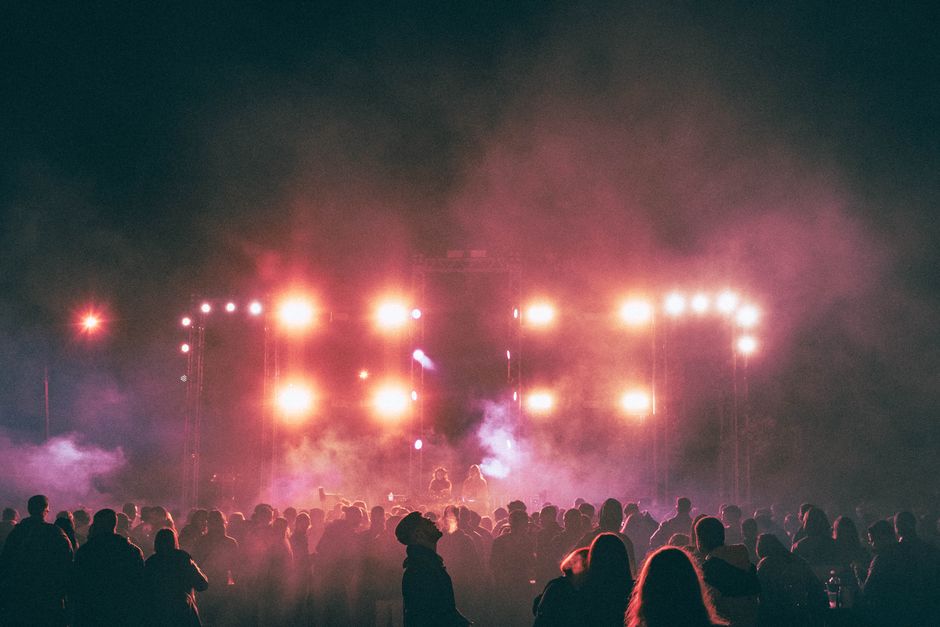
The diversity of promoters shapes São Paulo's distinct character. Some specialise in samba and forró in Vila Mariana, others manage electronic and independent rock circuits in Pinheiros. Festival organisers coordinate events like those drawing 100,000+ attendees, requiring coordination across municipal agencies, security firms, and technical crews that themselves represent years of accumulated knowledge.
Recent challenges—including rising rental costs in central neighbourhoods and post-pandemic venue closures—have forced a new generation of promoters to innovate. Some are establishing pop-up venues in unexpected locations, others are developing hybrid digital-physical experiences. Despite economic pressures, the scene continues attracting talent, with São Paulo now hosting approximately 15,000 ticketed live events annually across all genres.
These architects rarely seek the spotlight. Yet their decisions about which neighbourhoods to develop, which artists to support, and how to adapt spaces for performance fundamentally shape what millions of São Paulo residents experience as culture. Understanding the scene means understanding them.
This article was compiled by AI from the sources linked above and screened before publishing. See our editorial standards.