From Boteco to Haute Cuisine: How São Paulo's Restaurant Scene Transformed in Three Decades
The city's food culture has evolved from simple neighbourhood bars to a global gastronomic powerhouse, reshaping both the cityscape and its social fabric.
The city's food culture has evolved from simple neighbourhood bars to a global gastronomic powerhouse, reshaping both the cityscape and its social fabric.
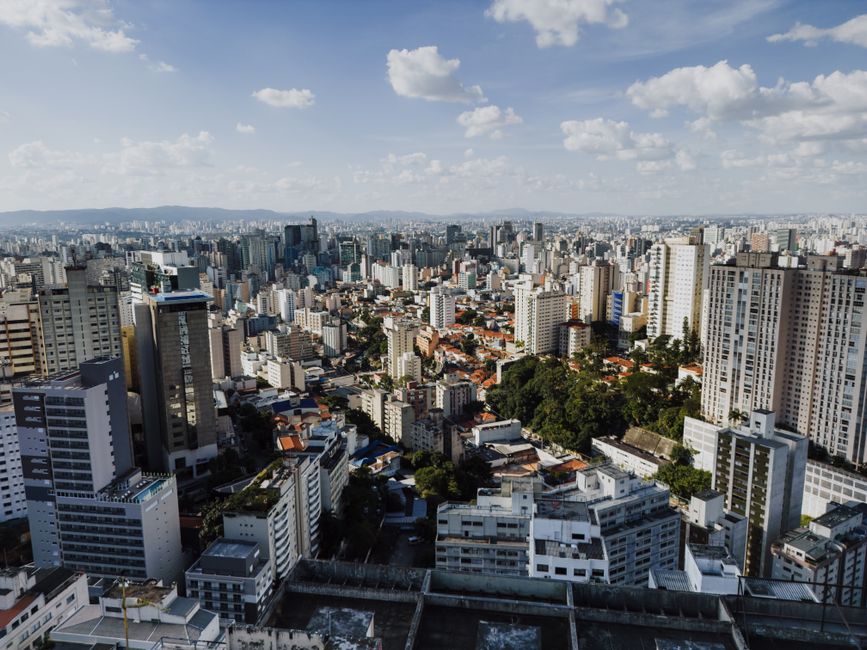
In the 1990s, São Paulo's dining landscape was defined by pragmatism rather than prestige. The boteco—humble neighbourhood bars serving cold beer, coxinha, and caldo de cana—anchored working-class communities across Vila Madalena, Pinheiros, and the suburbs. These weren't destinations; they were necessities, gathering points where construction workers, office clerks, and families conducted the rhythms of daily life over modest meals priced between 5 and 15 reais.
The transformation began gradually. By the early 2000s, Vila Mariana and the Baixo Augusta corridor started attracting chef-driven establishments that borrowed techniques from international cuisine while honouring local ingredients. The inflection point came around 2010, when São Paulo began appearing on global "best restaurants" lists. Today, the city hosts approximately 14,000 restaurants, with the highest concentration of Michelin-starred establishments in Latin America—a status achieved just a decade ago.
This evolution reflects deeper demographic and economic shifts. The rise of a globally-connected middle class, increased international tourism (visitor numbers nearly doubled from 2015 to 2023), and a generation of Brazilian chefs trained abroad created demand for culinary sophistication. Neighborhoods transformed accordingly. Pinheiros evolved from bohemian refuge into a dining destination commanding premium rents. The Rua Augusta regeneration project (beginning 2008) catalysed investment in hospitality infrastructure throughout downtown districts.
Yet the old São Paulo persists alongside the new. Traditional botecos still dot the map, though many have adapted—integrating craft beer selections, updating decor while preserving character, expanding menus without abandoning their identity. Establishments like those clustered near the Mercadão maintain their 60-year legacy of serving both tourists and regulars. Street food culture, once marginalised, has been reclaimed as heritage cuisine, with pastel, acarajé, and tapioca vendors gaining recognition as cultural institutions.
The numbers tell the story: average meal costs in central zones have increased 300 percent in fifteen years, while neighbourhood botecos remain relatively stable at 25-40 reais per person. Food delivery apps, nearly absent in 2015, now represent 40 percent of restaurant revenue citywide. Yet independent establishments—family-run restaurants in the periphery, cooperative eateries in Vila Madalena—still outnumber chains significantly.
São Paulo's restaurant culture today reflects its character: contradictory, ambitious, rooted. It's a city where a Michelin-starred chef and a boteco owner solve the same problem—feeding people, building community—through radically different means. Both remain essential to understanding how this metropolis feeds itself.
This article was compiled by AI from the sources linked above and screened before publishing. See our editorial standards.
How does this story make you feel?
Spread the word
About this article
Published by The Daily São Paulo
Daily brief
Free, in your inbox before 7am. Weekdays.
More in culture