São Paulo's festival calendar operates on a scale that can overwhelm even seasoned visitors. With over 500 registered cultural events annually, the city demands strategic planning—but the payoff is unmatched access to Brazilian creativity at its most vibrant.
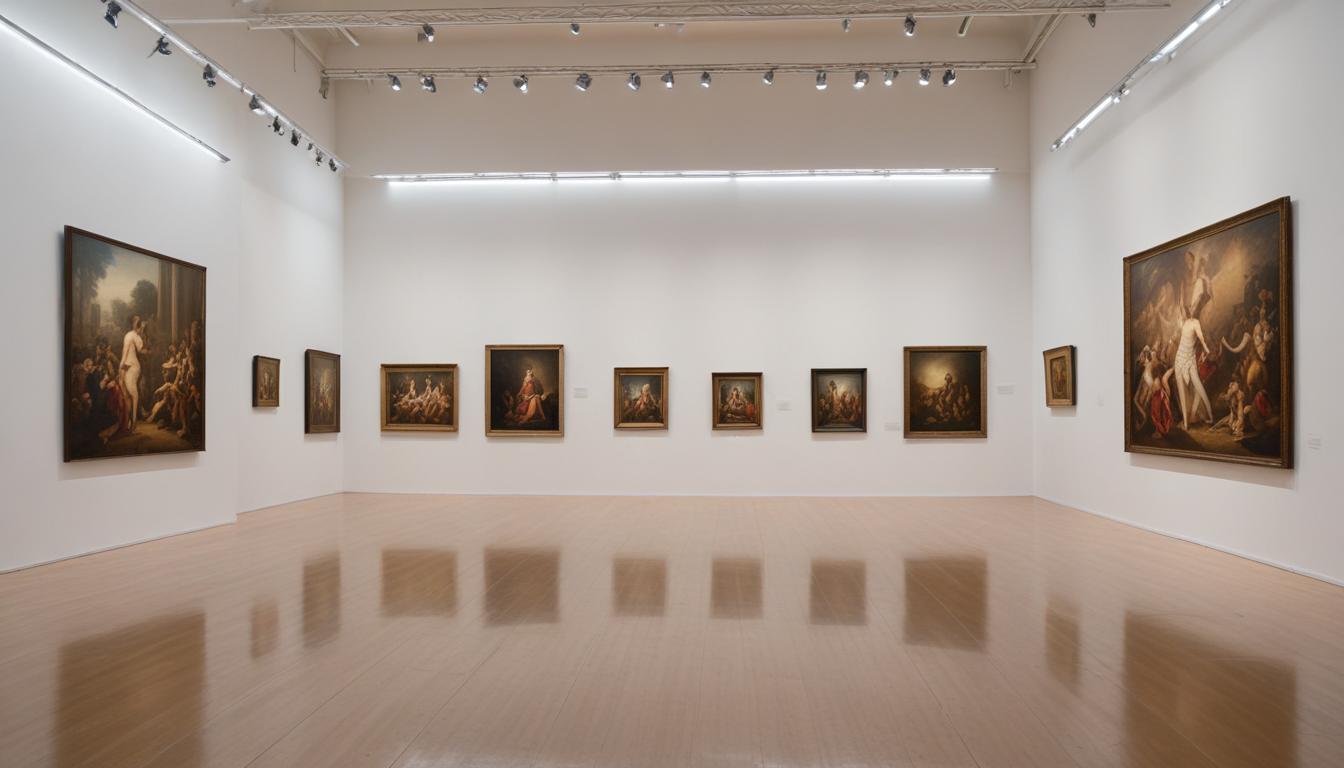
The second half of 2026 presents a particularly rich window. The São Paulo Bienal, one of the world's most prestigious contemporary art exhibitions, returns to Ibirapuera Park in September, transforming the pavilion designed by Oscar Niemeyer into a sprawling showcase of international and Brazilian artists. Entry runs approximately 40 reais (roughly €8), with free hours on Sunday mornings—arrive early, as crowds swell by midday.
For those chasing authentic samba culture, the preparatory season for Carnival 2027 kicks into high gear in these months. Major schools like Mangueira de São Paulo and Vai-Vai hold open rehearsals (ensaios abertos) in their headquarters in the eastern suburbs—accessible by metro to Tatuapé or Bom Retiro neighbourhoods. These are free or cost 20-30 reais, offering an insider's view rarely experienced by tourists who only attend the Sambadrome parade itself in February.
Photography enthusiasts should note that Foto.doc, São Paulo's international documentary photography festival, typically takes place in October across multiple venues including Centro and Pinheiros. The program showcases work from photographers tackling global stories, and most exhibitions remain free.
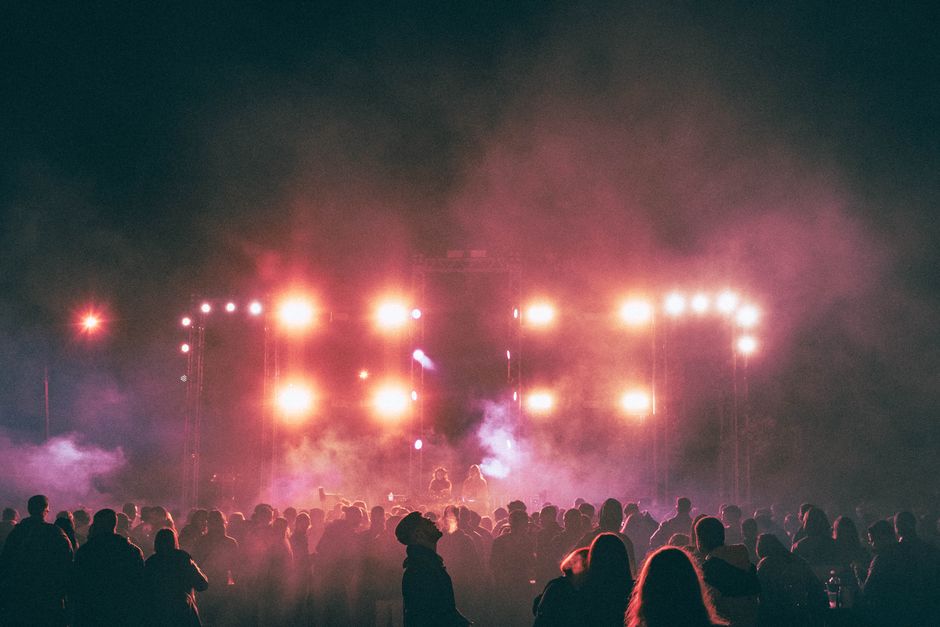
For music, SXSW's South American equivalent—the Próximo festival—continues to anchor July calendars with performances across Rua 25 de Março and Bom Retiro's emerging venues. Ticket prices range from 80-200 reais for day passes.
A practical note: São Paulo's neighbourhoods each host micro-festivals throughout the year. Vila Madalena's street parties, particularly around Rua dos Pinheiros, operate informally but regularly. Pinheiros district hosts design and craft markets bi-monthly at Beco do Batman—the famous alley where street artists have painted walls for three decades. Entry is free; expect vintage clothing vendors and local designers pricing items 30-150 reais.
Book accommodation near metro lines if attending evening events; taxis remain the safest late-night transport option, costing 40-80 reais across the city. Most cultural institutions offer discounts on Thursdays or have monthly free-entry programs—always check venues' social media before visiting.
The golden rule: São Paulo rewards those who venture beyond Paulista Avenue into the city's peripheral neighbourhoods, where smaller, community-driven festivals often surpass their headline counterparts in authenticity and warmth.
This article was compiled by AI from the sources linked above and screened before publishing. See our editorial standards.