São Paulo's Gallery Scene Is Booming Again—Here's What's Drawing the Crowds Back
After months of economic uncertainty, the city's art institutions are reporting record footfall and a surge in emerging artist debuts.
After months of economic uncertainty, the city's art institutions are reporting record footfall and a surge in emerging artist debuts.
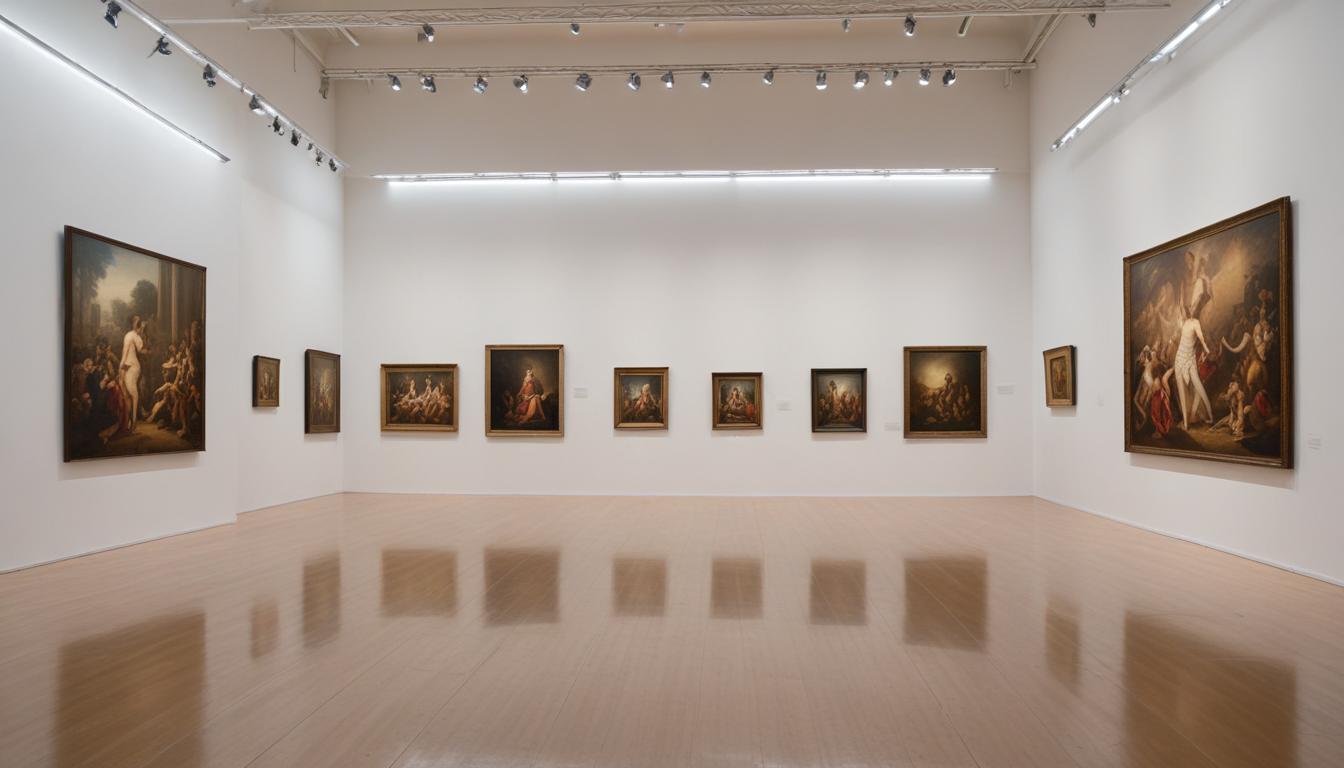
Walk down Rua Augusta on any Friday evening and you'll notice something that seemed unlikely six months ago: the galleries are packed. From the converted warehouses of Vila Mariana to the boutique spaces clustered around Pinheiros, São Paulo's contemporary art scene is experiencing a genuine renaissance that locals are crediting to a perfect storm of cultural curiosity, affordable prices, and a new generation of curators willing to take risks.
The Pinacoteca do Estado reported a 34% increase in visitors during the first quarter compared to 2025, while smaller independent galleries like those in the Bom Retiro corridor have seen steady queues for exhibitions featuring Brazilian and Latin American emerging artists. The shift reflects something deeper than mere foot traffic: São Paulo's art community is reclaiming space in conversations that had drifted toward international art fairs and coastal destinations.
Part of the momentum stems from accessibility. Most commercial galleries on Rua Mártires do Álvares Cabral and nearby streets charge no entry fee, with opening receptions becoming informal social anchors for the city's creative class. The SESC network has also amplified this democratisation, offering subsidised entry to its exhibitions and drawing audiences beyond traditional art-world circles into venues like SESC Pompéia and SESC Belenzinho.
Gallery owners attribute the revival to younger collectors entering the market. "We're seeing people in their twenties and thirties who want to support local artists directly," explains the emerging consensus among dealers interviewed across the city's main gallery clusters. The average price point for emerging Brazilian artists has remained relatively stable—often between R$3,000 and R$15,000 for mid-career works—making ownership tangible for a new demographic.
Thematic coherence is another draw. Recent months have seen exhibitions exploring São Paulo's relationship with migration, digital identity, and environmental fragility—subjects that resonate acutely in a city grappling with rapid transformation. The Museu de Arte de São Paulo's current programming similarly reflects this inward focus, balancing international retrospectives with rigorously researched Brazilian narratives.
Social media has accelerated discovery too. Instagram feeds filled with installation shots from Vila Mariana studios and Luz neighbourhood galleries have made the scene visible to demographics that might never have ventured into these spaces organically.
The conversation around São Paulo's art world has shifted from "where should we go?" to "what's opening next?" For a city accustomed to cultural self-doubt, that represents something worth celebrating.
This article was compiled by AI from the sources linked above and screened before publishing. See our editorial standards.
How does this story make you feel?
Spread the word
About this article
Published by The Daily São Paulo
Daily brief
Free, in your inbox before 7am. Weekdays.
More in culture