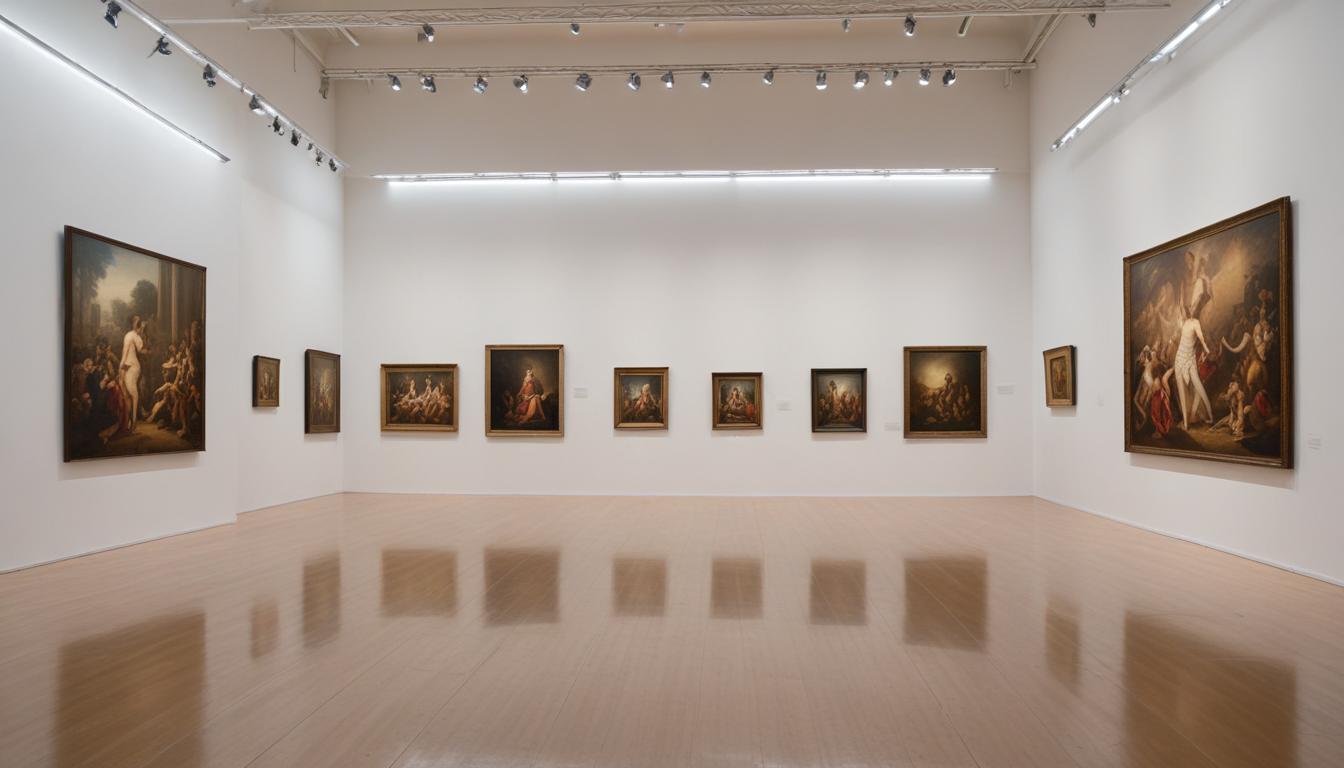
Two decades ago, São Paulo's art scene was geographically predictable. Galleries clustered around Avenida Paulista and the Vila Madalena neighbourhood, catering primarily to affluent collectors and tourists willing to navigate steep prices and exclusionary atmospheres. Today, the landscape bears little resemblance to that insular world.
The shift began around 2010, when younger gallerists and artists grew frustrated with traditional gatekeeping. Spaces like those emerging in Pinheiros and the peripheral zones of Zona Leste started operating on different principles: lower rents meant lower prices, experimental programming replaced conservative curation, and accessibility became ideology. By 2020, São Paulo hosted over 400 active galleries—nearly triple the count of fifteen years prior.
The Pinacoteca do Estado and MASP (Museu de Arte de São Paulo), anchor institutions on Avenida Paulista, adapted strategically. Rather than compete with proliferating independent venues, they invested in education programmes and free-admission Sundays, recognizing that cultural legitimacy now required broader reach. Attendance at major museums grew approximately 35% between 2015 and 2024, reflecting changing demographics.
Digital transformation accelerated this evolution. The pandemic forced galleries online, but many discovered lasting benefits. Virtual exhibitions eliminated geographical barriers; collectors from smaller Brazilian cities and abroad could browse works from their homes. Platforms created by local collectives provided unprecedented visibility to emerging artists, many of whom bypassed traditional gallery systems entirely.
Street art and graffiti—long dismissed by establishment institutions—gained institutional recognition. The 11 de Agosto neighbourhood, historically marginalized, became a destination for muralism tourism. Museums began commissioning street artists, legitimizing forms once considered vandalism. This represented not merely aesthetic acceptance but philosophical shift: acknowledgment that cultural production occurs outside white-box galleries.
Affordability remains contested. While entry prices to major museums hover around R$35-50 (roughly USD 7-10), average gallery works still command prices inaccessible to most Paulistas. Yet the ecosystem has fractured productively. Smaller galleries in less prominent locations offer works by emerging artists at R$2,000-8,000, versus R$50,000+ in Pinheiros flagships. Community-run artist collectives operate on donation or barter models entirely.
Today's São Paulo arts scene reflects the city itself: sprawling, unequal, resistant to singular narratives. The question no longer concerns whether the scene has evolved—evidently it has—but whether evolution translates to genuine democratization or merely expansion of the market.
This article was compiled by AI from the sources linked above and screened before publishing. See our editorial standards.