How Grassroots Collectives Are Reshaping São Paulo's Gallery Landscape
A new wave of artist-led spaces in Vila Madalena and Pinheiros is democratizing access to contemporary art and challenging the traditional museum establishment.
A new wave of artist-led spaces in Vila Madalena and Pinheiros is democratizing access to contemporary art and challenging the traditional museum establishment.
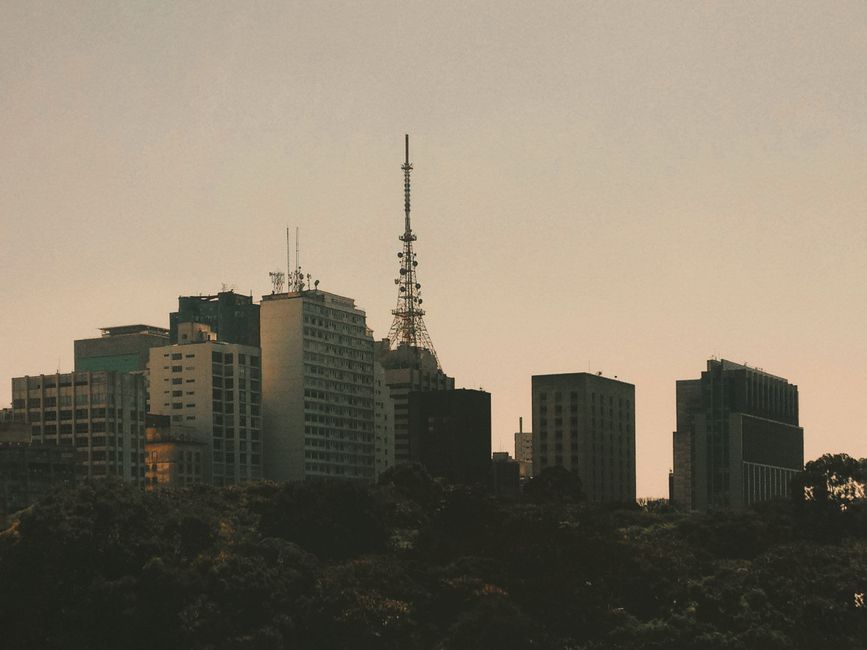
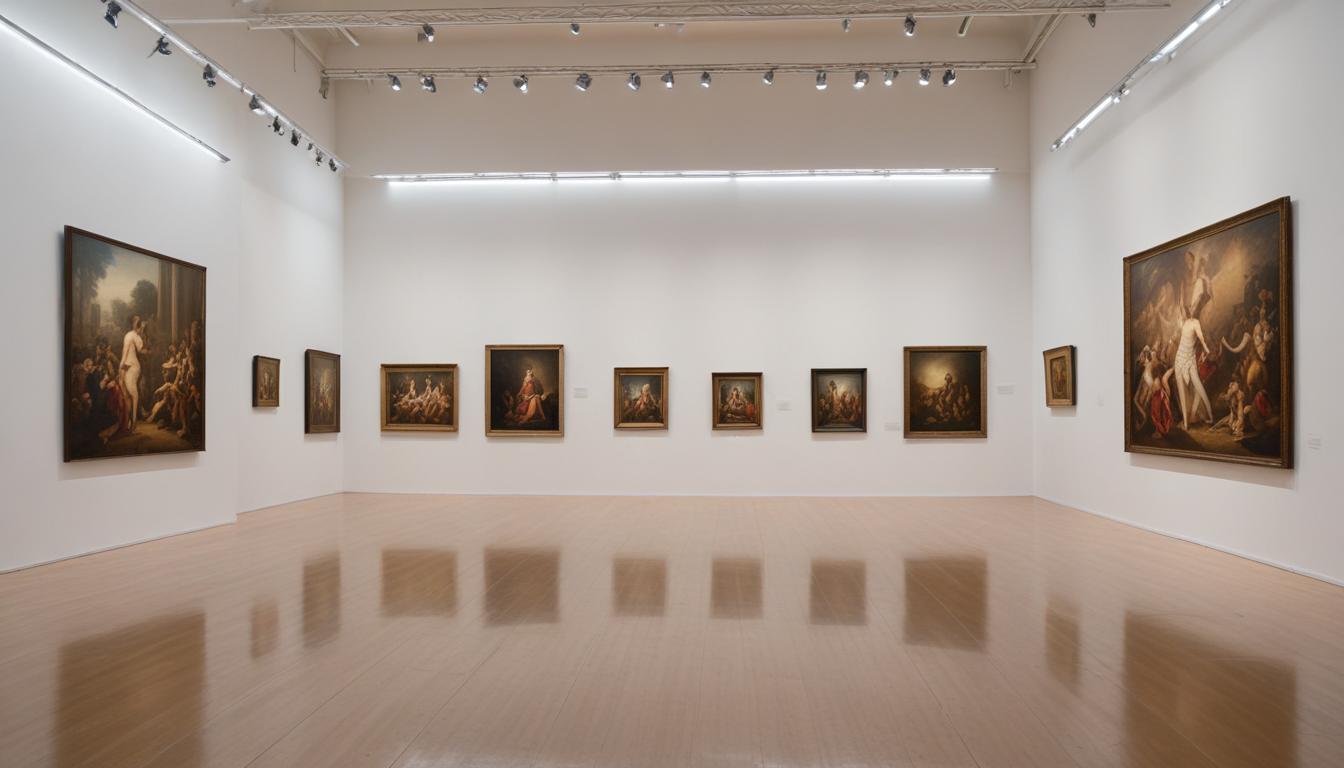
Walk down Rua Fidalga on a Friday evening and you'll witness São Paulo's cultural transformation in real time. What was once dominated by commercial galleries catering to elite collectors has evolved into a mosaic of independent artist collectives, pop-up exhibitions, and community-driven spaces that are fundamentally reshaping how the city engages with contemporary art.
This shift gained momentum over the past three years, driven largely by emerging collectives like Estúdio Coletivo and artist networks in Vila Madalena, where studio rents remain significantly lower than in traditional art districts. According to data from the São Paulo Cultural Foundation, independent gallery spaces increased by 28% between 2023 and 2025, with over 60% concentrated in peripheral neighbourhoods like Pinheiros, Vila Mariana, and Zona Leste districts.
"The democratization is real," explains the movement's essence through its decentralized structure. These spaces operate on sliding-scale admission—typically R$20-30 instead of the R$50-80 charged by established museums—and prioritize Brazilian and Afro-Brazilian artists historically underrepresented in major institutions. Monthly open studio events in Pinheiros now attract thousands, fundamentally shifting São Paulo's cultural calendar away from the traditional spring and autumn gallery fairs.
The movement extends beyond physical spaces. Collective initiatives have partnered with the Pinacoteca do Estado and SESC Pompéia to create hybrid programming that blurs boundaries between institutional and grassroots art worlds. Last month's "Conexões Periféricas" series drew over 8,000 visitors—primarily younger audiences (25-40 years old) and families from outer-zone neighbourhoods who previously felt alienated by São Paulo's art establishment.
However, this democratization faces real pressures. Gentrification along Rua Augusta and increasing commercial rents threaten smaller collectives. Several independent spaces have already relocated from Vila Madalena to more affordable areas in Brás and Mooca, forcing communities to travel further for cultural programming.
Yet the movement's resilience remains evident. Digital platforms and social media have enabled these collectives to build authentic audiences without relying on traditional art-world gatekeepers. By emphasizing transparency, accessibility, and local narratives, São Paulo's grassroots galleries have created something increasingly rare in major global cities: a thriving contemporary art scene that genuinely reflects its community rather than simply serving it.
This article was compiled by AI from the sources linked above and screened before publishing. See our editorial standards.
How does this story make you feel?
Spread the word
About this article
Published by The Daily São Paulo
Daily brief
Free, in your inbox before 7am. Weekdays.
More in culture