São Paulo's Fashion Design Renaissance: How Creative Industries Are Redefining Urban Identity
From Vila Madalena's atelier studios to Fashion Week's global stage, the city's designers are reshaping what it means to be São Paulo.
From Vila Madalena's atelier studios to Fashion Week's global stage, the city's designers are reshaping what it means to be São Paulo.
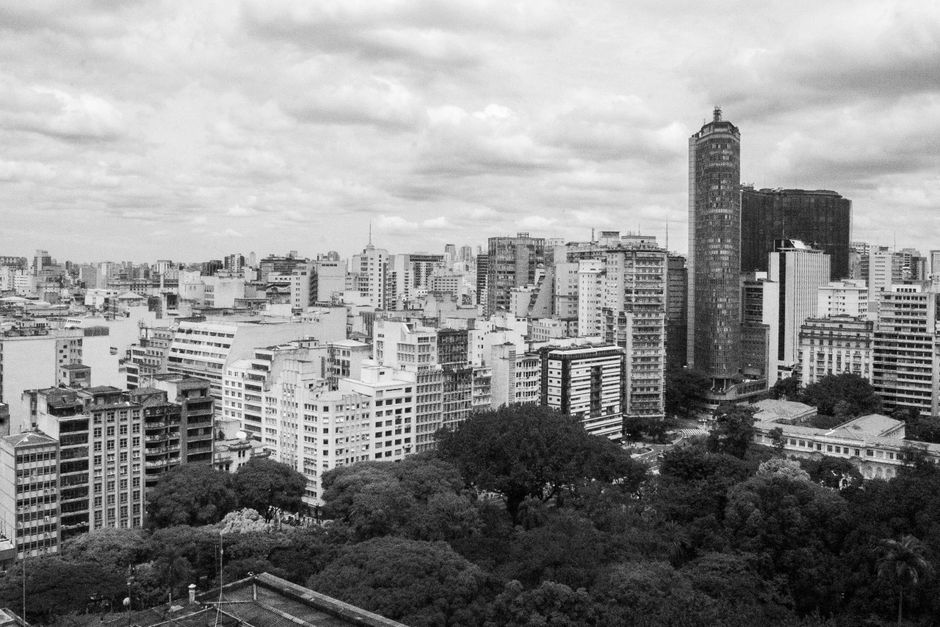
Walk through the narrow streets of Vila Madalena on any given Saturday, and you'll encounter a city in creative flux. Converted townhouses now serve as design studios, pop-up boutiques, and collaborative workspaces where emerging Brazilian designers sketch collections that increasingly command international attention. This transformation isn't incidental—it's become central to how São Paulo defines itself in 2026.
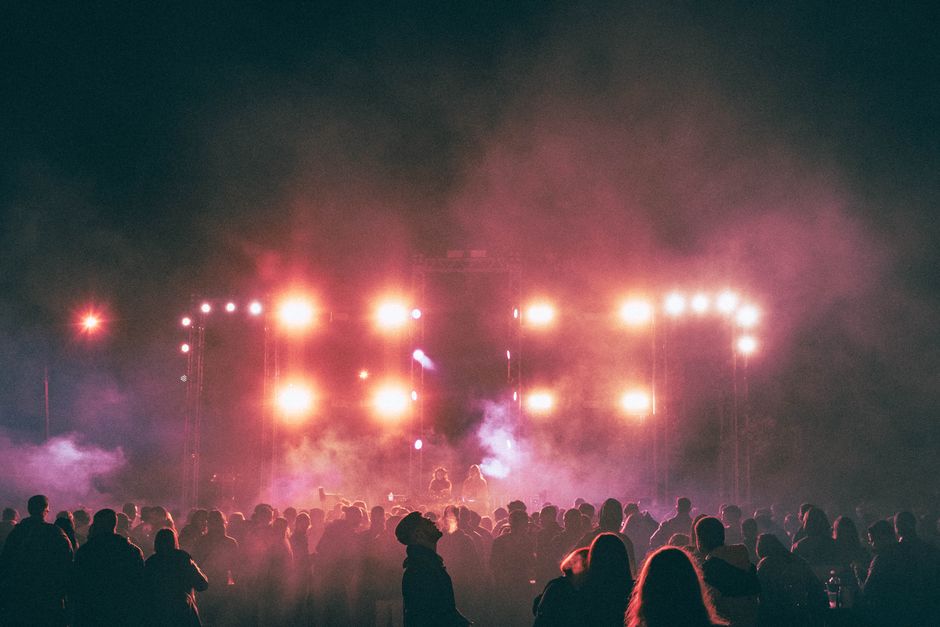
The numbers tell part of the story. São Paulo Fashion Week, held twice yearly at Pavilhão da Bienal in Ibirapuera, attracts over 90,000 visitors and generates an estimated R$ 450 million in direct economic impact. Yet the real cultural shift extends far beyond these officially sanctioned events. The creative industries now employ approximately 380,000 people across the metropolitan area, according to recent data from the São Paulo State Secretariat of Culture. Fashion design represents roughly 12% of this ecosystem—a significant concentration for a single sector.
What distinguishes São Paulo's approach from other global fashion capitals is its deliberate embrace of hybridity. Neighborhoods like Brás, historically a textile manufacturing hub, are experiencing renaissance as designers reclaim warehouses and establish sustainable production facilities. The region's reinvention reflects a broader cultural philosophy: that fashion here isn't purely about aesthetics or consumption, but about manufacturing heritage, social responsibility, and regional identity.
The economics of accessibility matter too. Studio space in Vila Madalena averages R$ 3,500 to R$ 6,000 monthly—substantially cheaper than equivalent Manhattan or Milan locations—enabling designers to invest more heavily in experimentation and quality. This economic reality has attracted not just Brazilian talent but international creatives seeking affordable runway to innovation. The resulting cross-pollination produces distinctly São Paulo aesthetics: designs that synthesize tropical color palettes, indigenous textile traditions, and contemporary urban culture.
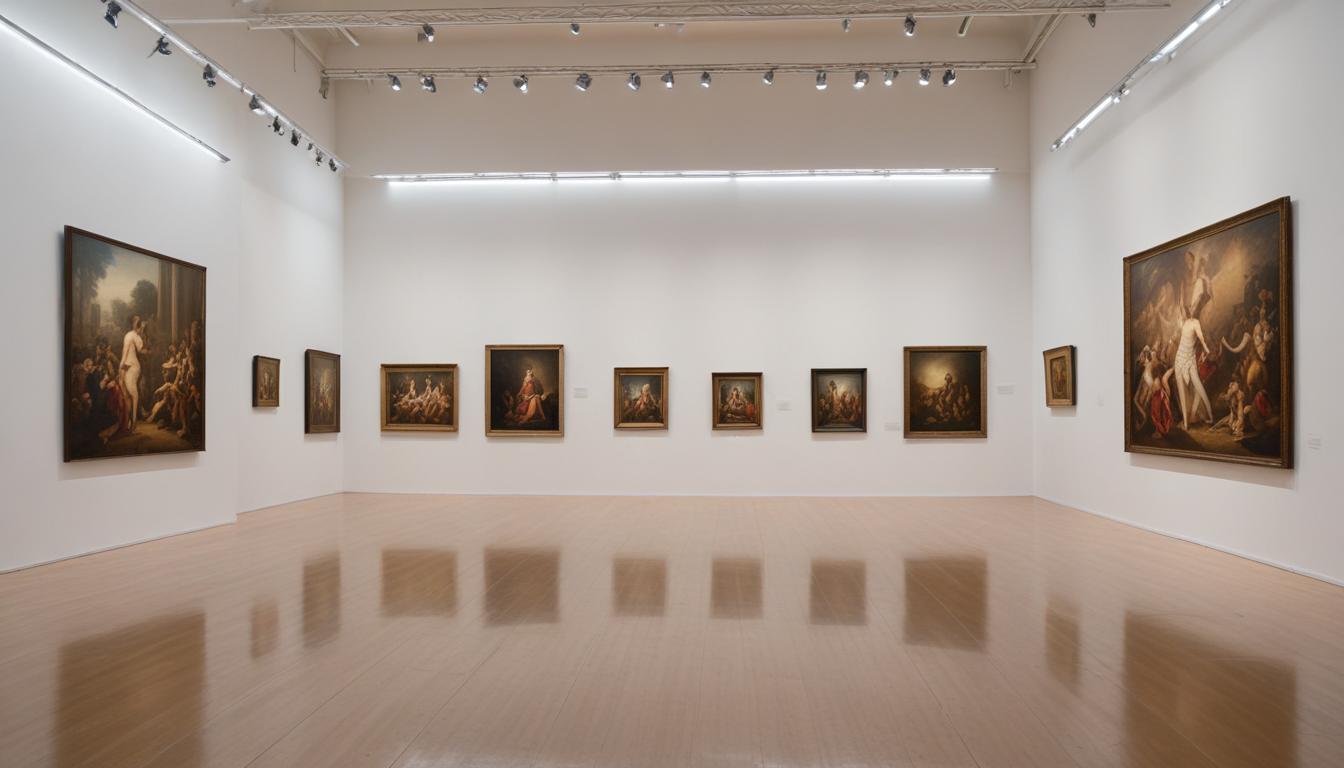
Gallery spaces and cultural institutions have recognized this momentum. The Instituto Moreira Salles hosts quarterly exhibitions examining fashion's intersection with photography and design. Meanwhile, SESC facilities across the city offer subsidized workshop programs introducing fashion design to underserved communities, effectively democratizing creative participation.
By positioning fashion design as fundamental to civic identity rather than a peripheral luxury sector, São Paulo has created something rare: a major global city where creative work shapes not just economic metrics but cultural self-understanding. The city's identity increasingly resonates with international audiences precisely because it refuses the homogeneity of global fashion capitals—instead asserting that innovation emerges from the specific collision of Brazil's contradictions, São Paulo's multicultural intensity, and designers willing to work at the intersection of tradition and experimentation.
This article was compiled by AI from the sources linked above and screened before publishing. See our editorial standards.
How does this story make you feel?
Spread the word
About this article
Published by The Daily São Paulo
Daily brief
Free, in your inbox before 7am. Weekdays.
More in culture