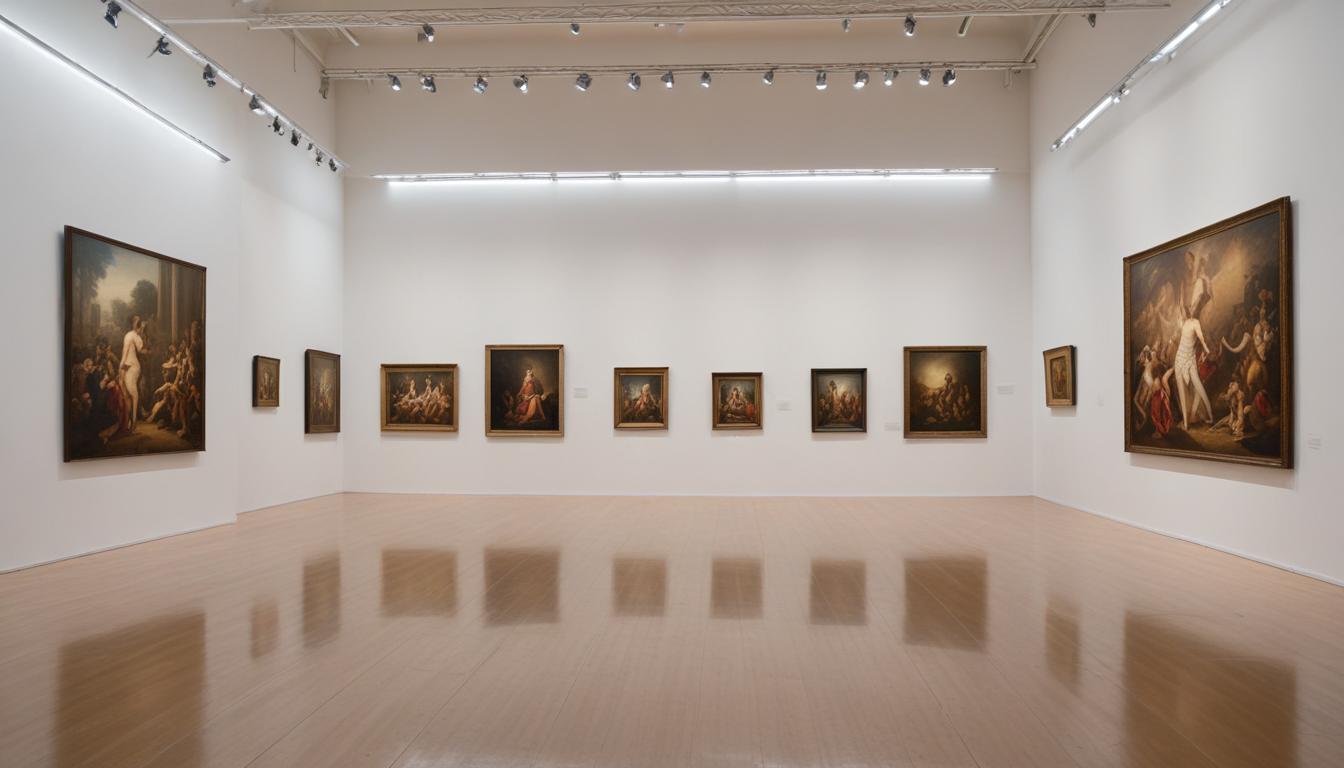
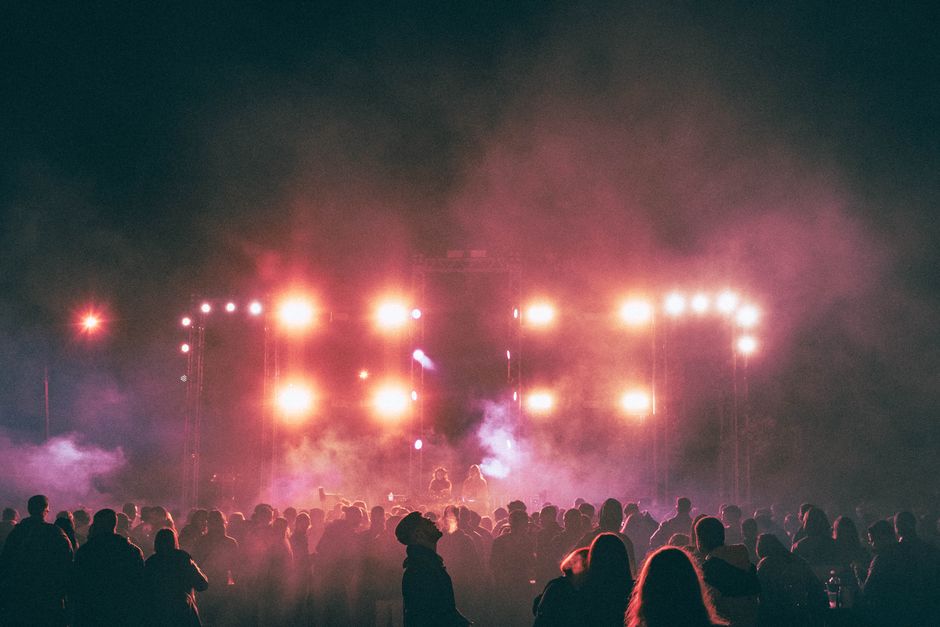
Walk through the narrow cobblestone streets of Bixiga on any given Thursday evening, and you'll encounter São Paulo's soul in motion. The neighbourhood's theatres—Teatro Oficina, SESC Pompéia, and dozens of smaller venues tucked into converted warehouses—pulse with creative energy that extends far beyond entertainment. These spaces have become the primary site where Paulistas negotiate their identity as citizens of Latin America's largest metropolis.
The numbers tell a compelling story. São Paulo hosts over 380 active theatres, more than any other Brazilian city and comparable to New York or London. Last year, the city's performing arts venues drew nearly 4.2 million attendees, generating an estimated R$180 million in cultural economy activity. Yet beyond statistics lies something more profound: theatre and film have become the language through which São Paulo talks to itself about migration, inequality, resilience, and transformation.
The Centro's revitalised Minhocão district, once a symbol of urban decay, now hosts the Sesc Consolação and independent performance spaces that draw audiences from across the city. Meanwhile, the city's thriving queer performance scene—concentrated around Rua Augusta and the LGBT Cultural Centre—produces work that speaks to struggles and triumphs that resonate globally. Cinema, too, plays a crucial role: the São Paulo International Film Festival, held annually since 1977, attracts filmmakers and audiences from 60+ countries, positioning the city as a serious venue for cinema beyond Brazilian borders.
What makes this landscape distinctly Paulista is its democratic accessibility paradox. While ticket prices have risen—expect to pay R$40-80 for mainstream theatre—SESC venues maintain subsidised programming at R$15. Street theatre and improvisation collectives perform freely in Praça da República. This tension between commercial viability and cultural accessibility mirrors São Paulo itself: a city perpetually negotiating between global aspirations and local responsibility.
Independent producers and collectives like Companhia do Latão and Cia das Attrizes have established São Paulo as a centre for politically engaged performance that challenges rather than comforts audiences. Their work often addresses the reality of living in a megacity where extreme wealth and precarity exist blocks apart—themes that feel urgent in 2026.
The performing arts scene doesn't simply reflect São Paulo's identity; it actively constructs it. For a city often defined by financial markets and traffic, these theatres and cinemas offer something equally powerful: a shared space where being Paulista means engaging with art that questions, provokes, and ultimately reveals who we are.
This article was compiled by AI from the sources linked above and screened before publishing. See our editorial standards.