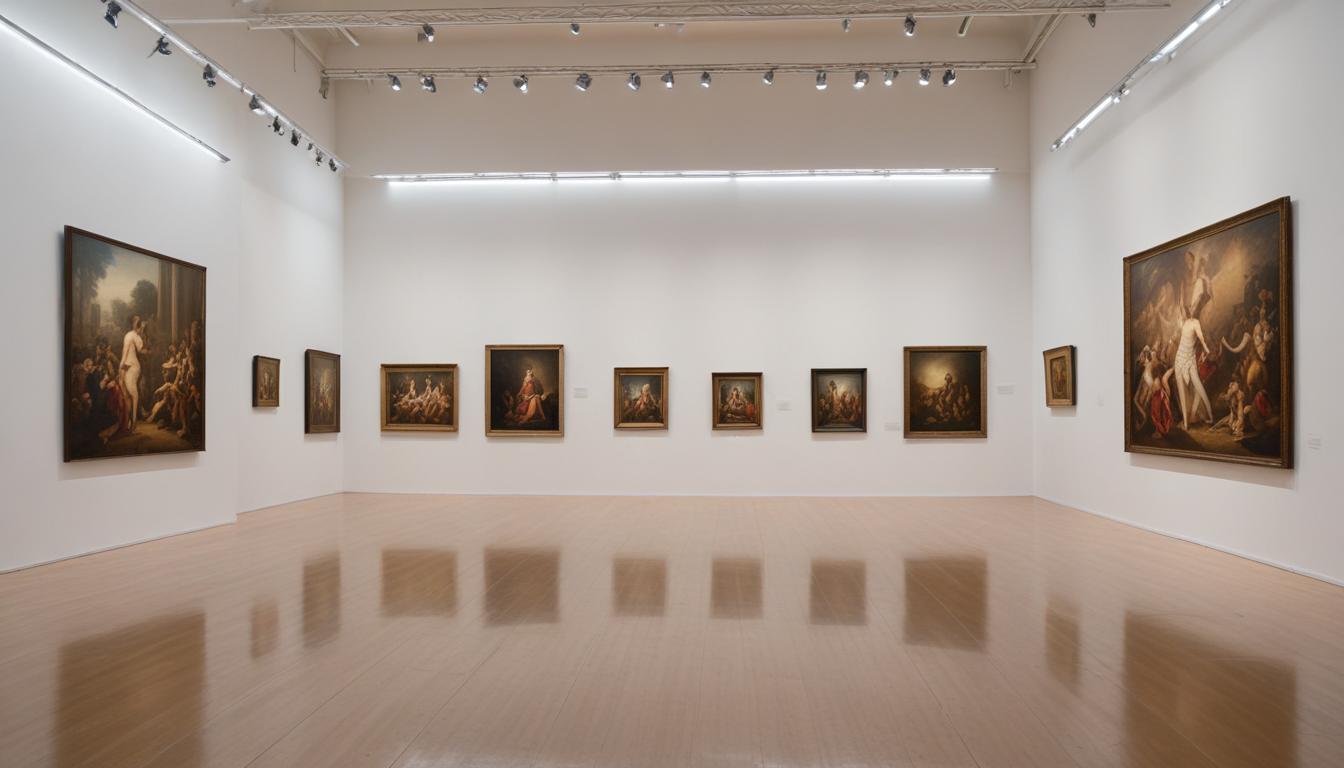
Walk through the cobblestone streets of Vila Madalena on a Friday evening and you'll witness the beating heart of São Paulo's creative renaissance. What was once a neighbourhood of street art and bohemian cafés has evolved into something more architecturally sophisticated: a gallery district that rivals Rio's traditional art establishments and challenges the cultural dominance of Rio itself.
The transformation reflects a broader shift. São Paulo's art institutions—from the Pinacoteca do Estado to the newer institutional players emerging in Pinheiros and Consolação—are no longer content to showcase Brazilian art through a retrospective lens. Instead, they're aggressively shaping how the city sees itself: as a contemporary creative force, not a historical archive.
The numbers tell part of the story. According to the São Paulo Chamber of Commerce, the city now hosts over 600 registered galleries, up from roughly 400 in 2015. Average footfall at major institutions has climbed 23 percent since 2024, with younger audiences (under 35) now comprising 47 percent of museum visitors—a demographic shift driven largely by free or pay-what-you-wish hours and digital-first programming.
Consider the institutional landscape: SESC Pompéia continues its evolution as a laboratory for experimental work, while the Fundação Bienal remains essential to international discourse. But it's the independent spaces along Rua Fidalga and the emerging collective initiatives in Brás that embody São Paulo's identity most authentically. These aren't tourist destinations; they're where local artists, curators, and audiences negotiate what contemporary Brazilian identity actually means in 2026.
The economic impact matters too. Gallery districts now contribute an estimated 2.3 billion reais annually to the local economy through direct spending and cultural tourism, according to preliminary municipal data. Yet the real cultural value isn't financial—it's philosophical. These spaces have become forums where São Paulo's diverse populations—migrants from across Brazil and the world, working-class communities, Afro-Brazilian artists—challenge narratives written by traditional art historical institutions.
What distinguishes São Paulo from other global art capitals is precisely this: the city's galleries and museums aren't gatekeeping institutions preserving a fixed identity. They're active participants in an ongoing, contested conversation about what Brazilian contemporary culture actually is. In a city of 12 million people with all its contradictions, that conversation happens most vibrantly in these spaces.
That's not nostalgia. That's power.
This article was compiled by AI from the sources linked above and screened before publishing. See our editorial standards.