São Paulo's Next Wave: Five Emerging Voices Reshaping Theatre and Film
A new generation of directors and playwrights is claiming stages across Vila Madalena and the centro, bringing fresh narratives rooted in the city's complexity.
A new generation of directors and playwrights is claiming stages across Vila Madalena and the centro, bringing fresh narratives rooted in the city's complexity.
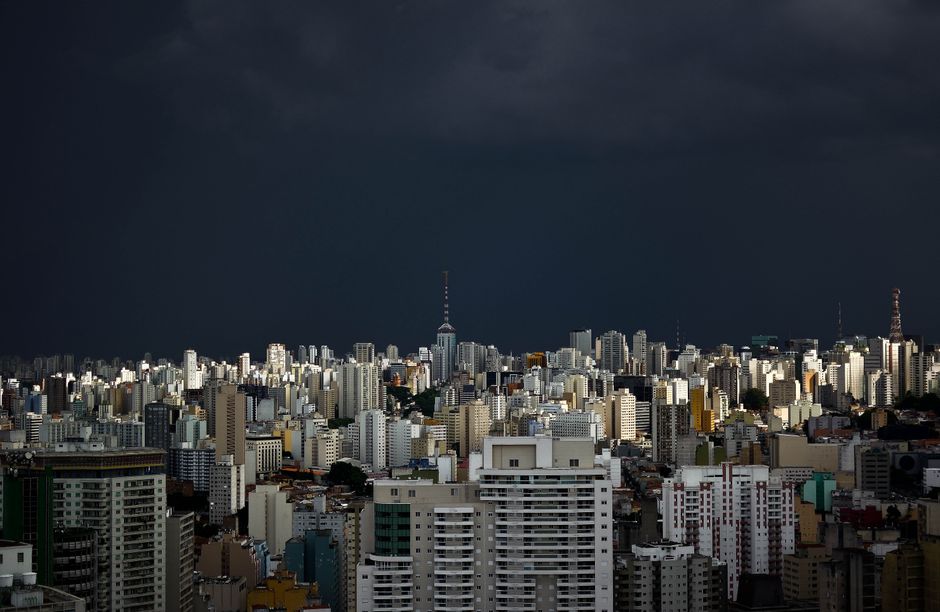
Walk into any experimental theatre space along Rua Aspicuelta in Vila Madalena these days, and you'll notice the audience skews younger, the stories rawer, the production values more inventive on tighter budgets. São Paulo's performing arts landscape is being quietly revolutionised by a cohort of artists under 35 who are moving beyond the capital's traditional gatekeepers and building their own platforms.
The shift is visible across multiple fronts. Independent theatre collectives have proliferated in the periphery—espacos like those sprouting around the Estação da Luz neighbourhood and along the Pinheiros corridor are hosting works that major venues like SESC Pompéia once monopolised. According to data from São Paulo's Secretaria de Cultura, applications for independent performance space grants increased 64% between 2023 and 2025, with nearly 70% coming from first-time organisers under 40.
What distinguishes this generation isn't just age. Their work centers São Paulo's actual topography: favela life, corporate alienation, queer domesticity, immigration trauma, racial memory. Unlike predecessors who often looked to Rio or abroad for validation, these artists are treating the city itself as protagonist. Recent productions at smaller venues—many charging entry fees between R$30-50 to remain economically sustainable—have tackled themes from gentrification in the Zona Leste to the labour politics of informal economies.
The film side mirrors this democratisation. Emerging directors are bypassing traditional distribution models, premiering works at smaller festivals or directly via streaming platforms, building audiences organically. Several have found production support through cultural incentive laws and collaborative funding models involving neighbourhood associations.
What makes this moment particularly significant is the infrastructure developing around these voices. Mentorship networks linking younger artists with established figures have formalised over the past two years. Workshops in screenwriting, directing, and dramaturgy—often offered free or low-cost through SESC branches and cultural centres—are creating pipelines previously unavailable to artists without family wealth or institutional connections.
The challenge remains sustainability. Many emerging performers juggle day jobs; production funding remains scarce outside established channels. Yet the sheer volume of work being created—in converted warehouses, community centres, and street-level venues across neighbourhoods like Brás, Mooca, and Vila Mariana—suggests something genuinely new is taking root.
For anyone paying attention to where Brazilian culture moves next, São Paulo's stages and screens are where to look. The next wave isn't coming. It's already here, building its own audience, telling its own stories, on its own terms.
This article was compiled by AI from the sources linked above and screened before publishing. See our editorial standards.
How does this story make you feel?
Spread the word
About this article
Published by The Daily São Paulo
Daily brief
Free, in your inbox before 7am. Weekdays.
More in culture