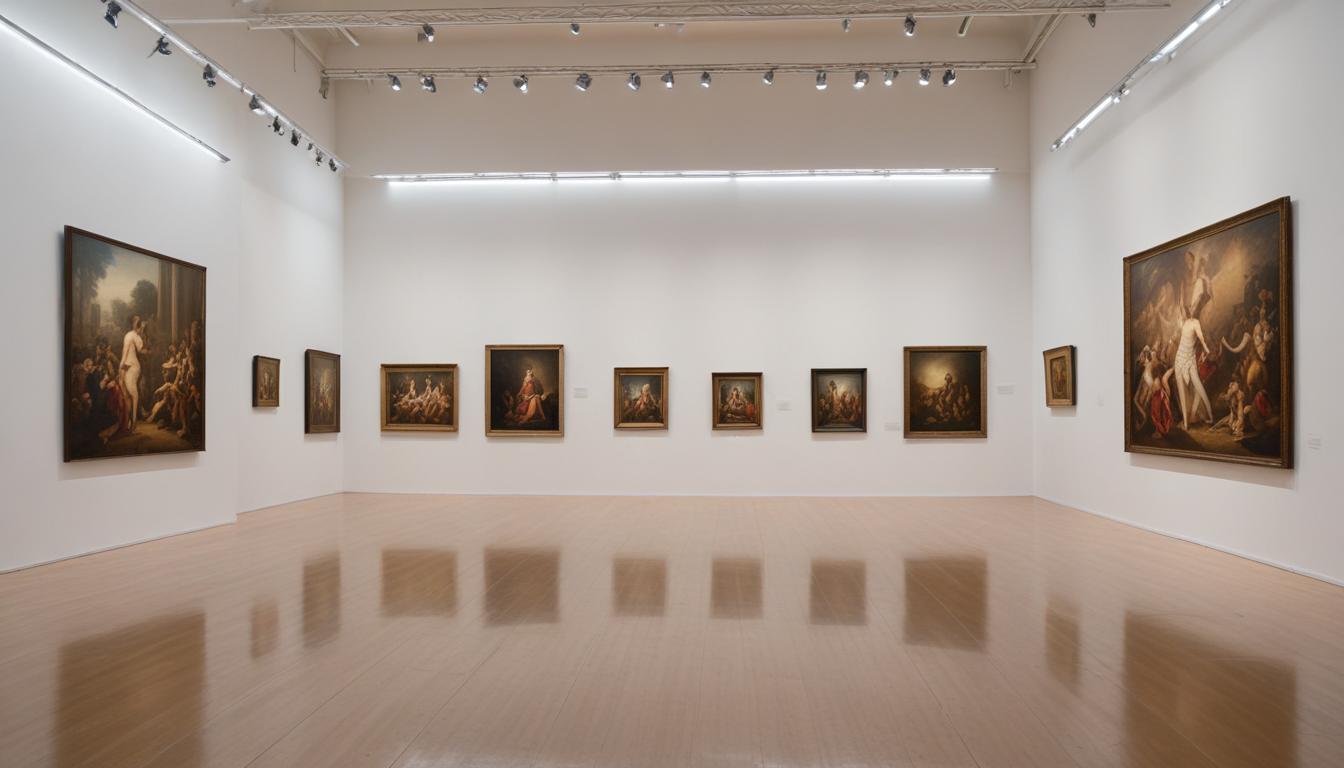
Walk down Rua Augusta today and you'll see gleaming galleries next to vintage record shops, a visual palimpsest of São Paulo's cultural metamorphosis. Yet this thriving landscape didn't emerge overnight. It was forged through decades of grassroots persistence, economic cycles, and an unmistakable identity rooted in the city's working-class neighborhoods.
The 1980s marked a turning point. As Brazil's military dictatorship loosened its grip, São Paulo's underground cultural scene exploded. Vila Madalena transformed from a quiet bohemian enclave into a laboratory for experimental theater, with venues like the Oficina Theatre—established in 1958 but reaching its creative peak during this era—becoming sanctuaries for artistic dissidence. Street art, initially considered vandalism, evolved into a legitimate art form; names like Os Gêmeos spray-painted their way into international recognition, with their work now commanding museum attention and six-figure prices.
The São Paulo Museum of Art (MASP), founded in 1947 on Avenida Paulista, became the institutional backbone legitimizing this energy. Yet it was the democratization of culture through SESC (Serviço Social do Comércio) venues scattered across neighborhoods like Belém, Pompéia, and Pinheiros that truly reshaped how São Paulo consumed art. SESC's sliding-scale pricing—often R$15-30 per event—made theater, cinema, and workshops accessible to ordinary workers, not just elites.
By the 2000s, São Paulo had positioned itself as Latin America's undisputed cultural capital. The São Paulo Biennial, established in 1951, evolved into a global event attracting hundreds of thousands. Street art became institutionalized; projects like Projeto Tela transformed favela walls into open-air galleries. Hip-hop, forró, tropicália—each genre found new expression within São Paulo's sonic landscape.
Today, the scene's evolution continues at breakneck speed. The Pinacoteca do Estado's expansion in recent years has doubled its exhibition capacity. Neighborhoods like Pari, once industrial wastelands, are being reclaimed by artists and designers. Yet tensions persist: gentrification threatens the very communities that birthed this cultural explosion. Rent in Vila Madalena has tripled in a decade. Young artists face displacement.
São Paulo's cultural identity isn't simply aesthetic—it's political resistance embedded in DNA. From Oficina's subversive theater to Os Gêmeos' urban poetry, from SESC's egalitarian mission to the Pinacoteca's institutional weight, this city has transformed marginality into meaning. That's not just heritage; it's São Paulo's living, breathing future.
This article was compiled by AI from the sources linked above and screened before publishing. See our editorial standards.