From Speakeasies to Streaming: How São Paulo's Live Music Scene Transformed Itself
A journey through decades of venues, sounds and survival shows how Brazil's largest city built one of the world's most resilient concert cultures.
A journey through decades of venues, sounds and survival shows how Brazil's largest city built one of the world's most resilient concert cultures.
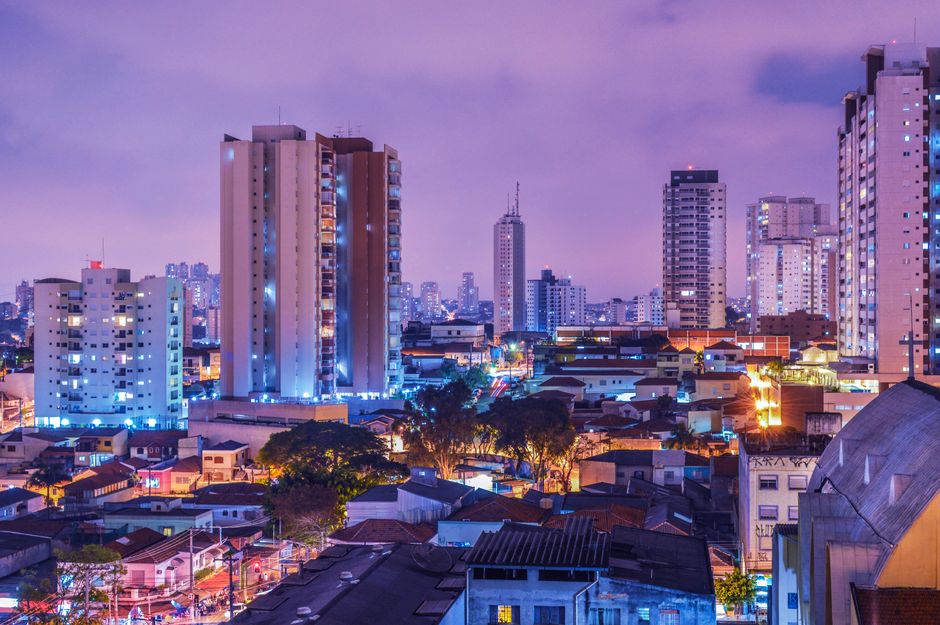
Walk down Rua Augusta on a Friday night and you'll find São Paulo's live music DNA written across its facades. But the scene that pulses through this iconic street—and beyond—bears little resemblance to what existed even fifteen years ago. The evolution of live entertainment in Brazil's capital mirrors the city's own reinvention: from intimate basement clubs to sprawling festival grounds, from vinyl-era gatekeepers to algorithm-driven discovery platforms.
The roots run deep. The 1970s saw legendary venues like the Canecão in Vila Mariana establish São Paulo as a serious concert destination, hosting everyone from Gilberto Gil to international acts seeking South American audiences. These temples of live sound operated under rigid constraints—censorship during the military regime meant careful curation of what could be performed. Yet musicians found ways. The underground scene flourished in unexpected spaces: art galleries in Vila Madalena, university auditoriums, private homes that became improvised concert halls.
By the 1990s, São Paulo's venue landscape had fragmented and multiplied. Clubs like Sesc Pompéia and CCBB (Centro Cultural Banco do Brasil) democratized access, offering cheaper tickets to experimental and traditional acts alike. Rua 25 de Março, traditionally a commercial hub, began hosting electronic music events that would define a generation. The average ticket price hovered around 40-60 reais, making live music accessible to middle-class audiences building the city's cultural foundations.
The 2000s brought corporatization and consolidation. Large venues expanded: Credicard Hall (now Claro Hall) in Santo Amaro could hold 6,000; Espaço das Américas accommodated similar crowds. Festival culture exploded—Lollapalooza Brasil arrived in 2011, fundamentally shifting how São Paulo marketed itself as a global music destination. Simultaneously, independent venues fought back. Smaller clubs in Bom Retiro and Bexiga became incubators for indie rock, samba revival, and hip-hop scenes.
Today's landscape is radically plural. The Theatro Municipal remains a cultural anchor while DIY collectives book abandoned warehouses. Streaming platforms have changed discovery patterns, but live attendance remains robust—pre-pandemic data showed 15-20 million ticket transactions annually across venues citywide. Ticket prices now range from 50 reais for underground shows to 400+ for international acts.
What distinguishes São Paulo is this coexistence: heritage institutions, commercial megavenues, and scrappy independent spaces occupy the same ecosystem, each essential. The scene survives not through nostalgia but constant evolution—proof that a city's cultural heartbeat depends on protecting both its monuments and its margins.
This article was compiled by AI from the sources linked above and screened before publishing. See our editorial standards.
How does this story make you feel?
Spread the word
About this article
Published by The Daily São Paulo
Daily brief
Free, in your inbox before 7am. Weekdays.
More in culture