Your Complete Guide to São Paulo's Best Cultural Heritage Experiences Right Now
From colonial architecture to contemporary art installations, here's where to reconnect with the city's layered identity this winter.
From colonial architecture to contemporary art installations, here's where to reconnect with the city's layered identity this winter.
São Paulo's cultural soul isn't confined to museums—it's woven through neighbourhoods, street corners, and intimate community spaces that tell the story of who we are. Whether you're rediscovering your own heritage or exploring the city anew, June 2026 offers perfect conditions to experience the metropolis at its most introspective.
Start in the historic centre, where the Pátio do Colégio marks São Paulo's birthplace. The Jesuit complex, recently enhanced with interactive installations, provides context for understanding how colonial foundations shaped the city's spiritual and administrative DNA. Just steps away on Rua Benjamin Constant, independent bookstores stock rare editions documenting São Paulo's immigration waves—Italian, Japanese, Lebanese, and African communities that transformed this plateau into a global crossroads.
For immersive experiences, the SESC Pompéia cultural centre in the west zone remains essential. Beyond its rotating exhibitions, the complex hosts free Thursday evening concerts featuring local musicians exploring traditional Brazilian forms. Admission is often under R$30, making cultural access genuinely democratic.
The Bairro da Liberdade district deserves a full afternoon. This historically Japanese-Brazilian neighbourhood pulses with authentic restaurants, the Museu Histórico da Imigração Japonesa, and weekend street fairs featuring crafts from three generations of artisans. The neighbourhood's transformation from poverty to cultural vitality embodies São Paulo's capacity for reinvention.
Don't miss the Vila Madalena's street art scene, particularly the murals along Rua Gago Coutinho and the surrounding becos (alleyways). These aren't tourist attractions—they represent genuine artistic dialogue between established and emerging street artists, constantly evolving and reflecting contemporary urban anxieties.
For deeper engagement, volunteer with organizations like Instituto Moinho or engage with community groups in the periphery neighbourhoods—Zona Leste areas like Guaianases and Ermelino Matarazzo have established cultural centres documenting working-class histories often absent from mainstream narratives.
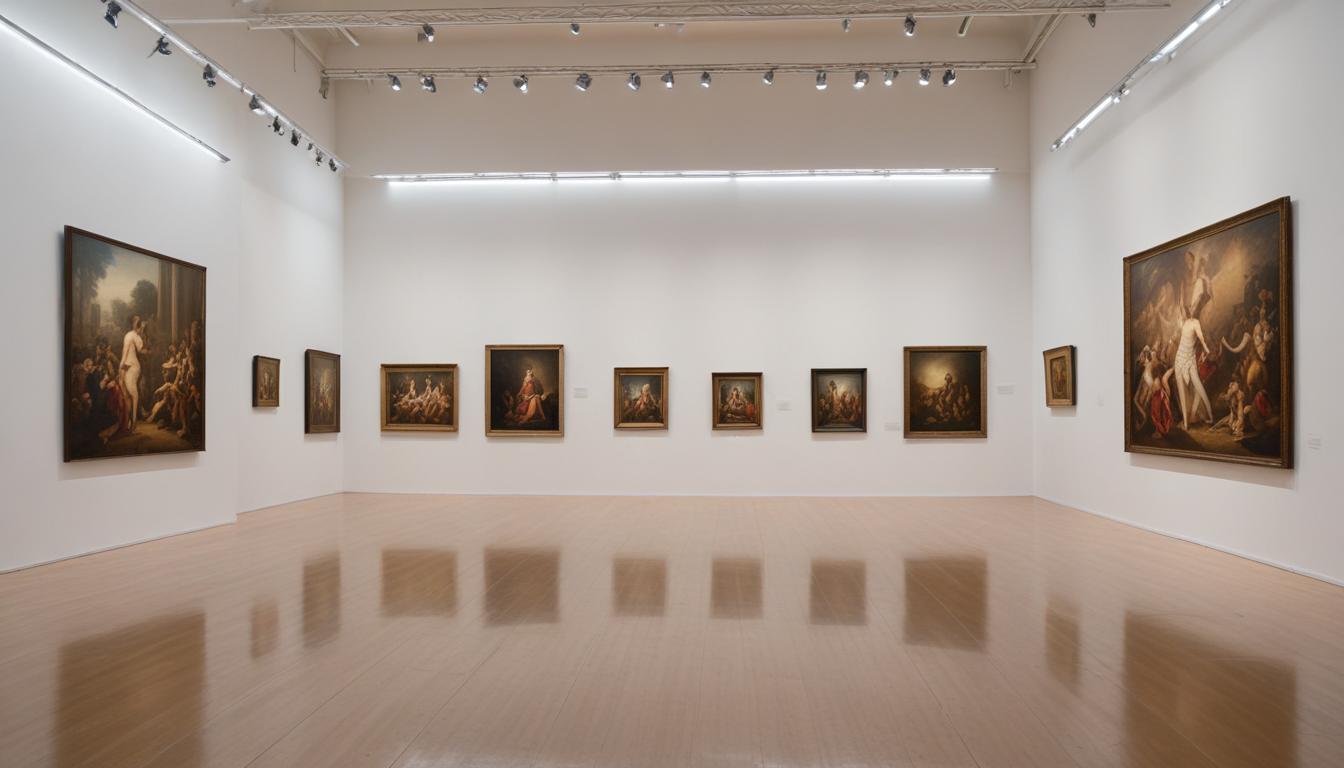
The Pinacoteca do Estado and MASP remain world-class anchors, but consider timing visits for their free Thursday evenings when the crowd demographics shift, offering different social energy. Admission typically runs R$25-45.
Finally, experience São Paulo's unwritten history through its neighbourhoods' food cultures. Rua 25 de Março's dense commercial fabric reflects immigrant entrepreneurship; the Zona Cerealista's warehouses document agricultural heritage; and countless botequins preserve oral histories of ordinary Paulistas.
Cultural heritage isn't nostalgia here—it's living, contested, continuously reimagined. That's what makes São Paulo worth knowing.
This article was compiled by AI from the sources linked above and screened before publishing. See our editorial standards.
How does this story make you feel?
Spread the word
About this article
Published by The Daily São Paulo
Daily brief
Free, in your inbox before 7am. Weekdays.
More in culture