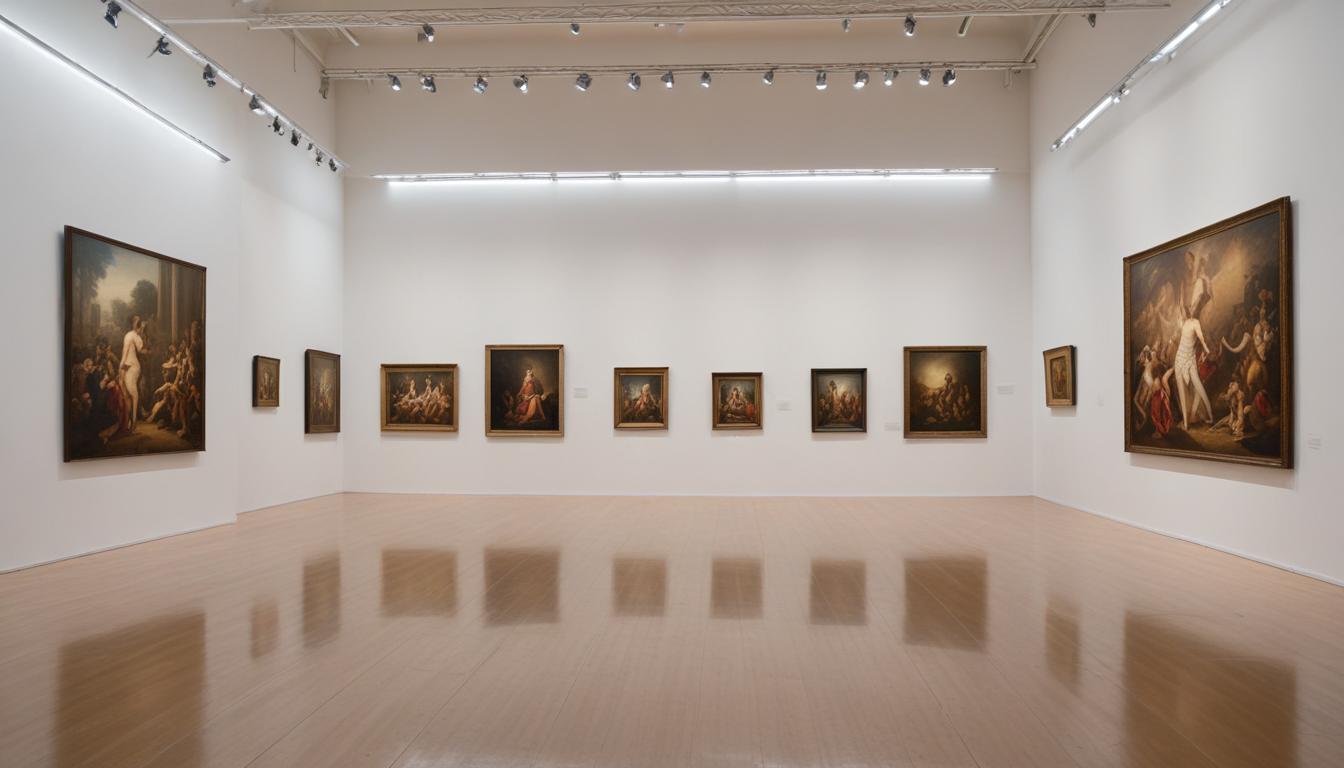
Walk down Rua Aspicuelta in Vila Madalena on any Friday evening and you'll sense it immediately—a palpable energy that hasn't quite gripped São Paulo's visual arts scene with this intensity since the early 2010s. Galleries that shuttered during leaner economic years are reopening their doors. New collectives are emerging from converted warehouses. And for the first time in a while, locals are genuinely excited about what's happening in their own backyard rather than waiting for international biennales to validate regional work.
The shift became undeniable this spring when three mid-sized galleries simultaneously reopened within walking distance of each other in Pinheiros. Their combined reopening generated enough buzz to pack vernissages—something galleries here learned to expect less of in recent seasons. Meanwhile, the Pinacoteca do Estado's extended programming around contemporary Brazilian artists has spilled beyond institutional walls, with satellite exhibitions appearing in smaller commercial spaces across the neighbourhood. Entry to the main museum remains accessible at R$15 for general admission, making it easier for younger audiences to engage regularly.
What's driving this moment? Part of it is cyclical: São Paulo's economy is steadying after two difficult years, and collectors are moving again. But there's something else—a deliberate push by gallerists and curators to reorient the conversation around local and regional artists rather than constantly chasing international validation. Studios in the galpões dotting Bom Retiro and Brás have become more openly accessible to collectors and critics. Artists who might have relocated to Rio or further afield five years ago are staying put, creating a gravitational pull.
The demographic shift matters too. A younger collector base—often working in tech and creative industries—is approaching galleries differently, favouring experimental work and community engagement over trophy pieces. This has emboldened curators to take risks with programming. Street art and commercial gallery space are increasingly porous; what appeared on walls in 2024 is being deconstructed and contextualised on white walls in 2026.
Perhaps most tellingly, conversations about São Paulo's art scene are happening locally again rather than through international media filters. Instagram critics who once waited for foreign validation are now staking positions on emerging work before gallery reviews appear. It's created a self-reinforcing cycle: more attention draws more serious artists, which justifies more gallery space, which attracts investment.
Whether this sustains beyond the next two years remains uncertain. São Paulo has experienced false dawns before. But for now, walking through Vila Madalena or Pinheiros on a weeknight feels like witnessing something genuinely alive—not manufactured for tourism or international consumption, but rooted in what this city's creative community actually wants to explore.
This article was compiled by AI from the sources linked above and screened before publishing. See our editorial standards.