From Underground to Mainstream: How São Paulo's Food Collectives Are Reshaping Dining Culture
A grassroots movement of chef-activists and neighbourhood organisers is democratising the city's restaurant scene, one cooperative kitchen at a time.
A grassroots movement of chef-activists and neighbourhood organisers is democratising the city's restaurant scene, one cooperative kitchen at a time.
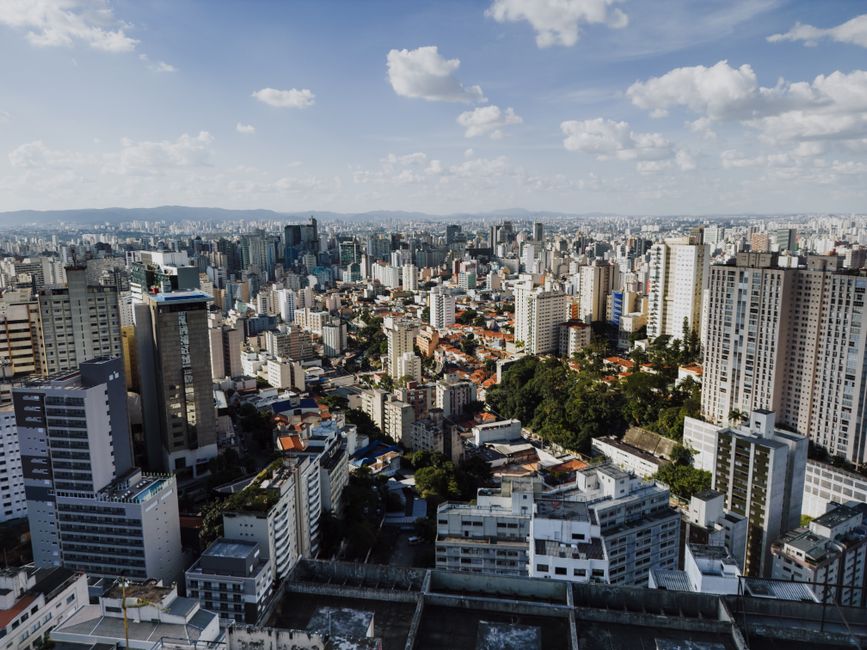
Walk down Rua Wisard in Vila Madalena on any Thursday evening and you'll find something remarkable: a line of diners queuing outside a converted garage, waiting for a meal prepared by volunteers in the Cozinha Coletiva project. This isn't a restaurant in the traditional sense. It's a symptom of a larger cultural shift reshaping how São Paulo eats.
Over the past three years, community-driven food spaces have proliferated across the city's periphery and established neighbourhoods alike. From the cooperative kitchens of Tatuapé to the supper clubs emerging in Pinheiros, a movement born partly from pandemic-era necessity has evolved into something more purposeful: a challenge to the city's entrenched fine-dining hierarchy and its concentration of resources in wealthy zones.
The numbers tell a compelling story. According to the São Paulo Food Collective—a loose network documenting independent food initiatives—there are now over 180 registered community kitchens and cooperative dining spaces across the metropolitan area, up from fewer than 40 in 2023. Average meal prices hover between R$35-60, roughly 40 per cent cheaper than comparable neighbourhood restaurants.
What distinguishes this movement from simple affordability is its explicit focus on labour equity and cultural ownership. These spaces operate on sliding-scale pricing models, employ kitchen staff on fair wages, and prioritise recipes rooted in the city's immigrant communities—Peruvian, Japanese, Lebanese, and increasingly, Venezuelan cuisine. The Vila Mariana Collective Kitchen, for instance, operates with a rotating roster of chefs from different backgrounds, each bringing their own culinary traditions to a shared commercial kitchen.
The epicentre lies in working-class neighbourhoods often overlooked by food media. In Itaquera, the Zona Leste Food Cooperative has become a cultural institution, hosting over 300 diners weekly and training 15 young chefs annually through its apprenticeship programme. Organisers emphasise that this isn't nostalgia or culinary tourism—it's about resource redistribution and community sovereignty.
Local government has begun responding. The São Paulo Municipal Chamber recently fast-tracked regulatory changes for collective kitchens, and the city allocated R$2.4 million in grants to support cooperative dining initiatives in underserved zones.
Yet challenges persist. Rent pressures in increasingly gentrified areas threaten stability, and larger restaurant corporations have begun mimicking the aesthetic without adopting the ethos. For movement organisers, the fight isn't simply about food—it's about who gets to control the narrative, and whose tables matter in the city's cultural conversation.
This article was compiled by AI from the sources linked above and screened before publishing. See our editorial standards.
How does this story make you feel?
Spread the word
About this article
Published by The Daily São Paulo
Daily brief
Free, in your inbox before 7am. Weekdays.
More in culture