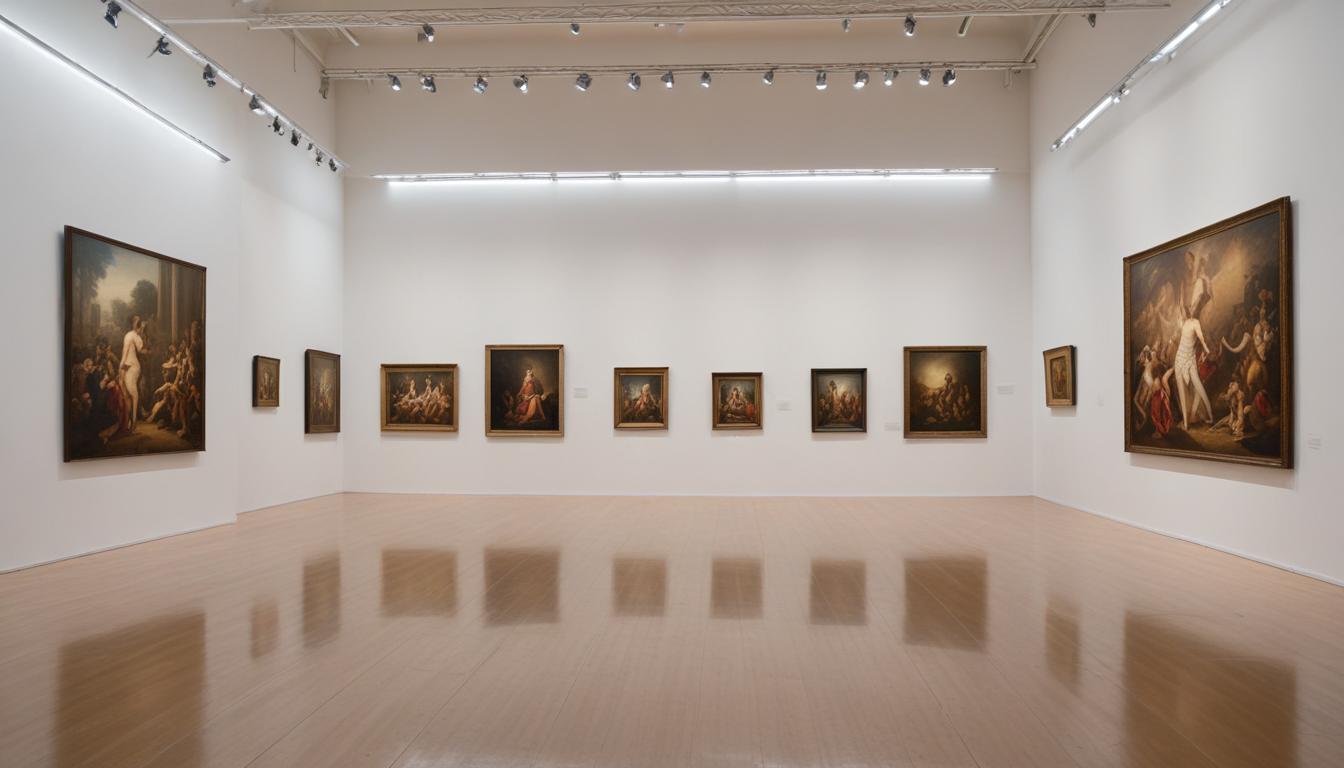
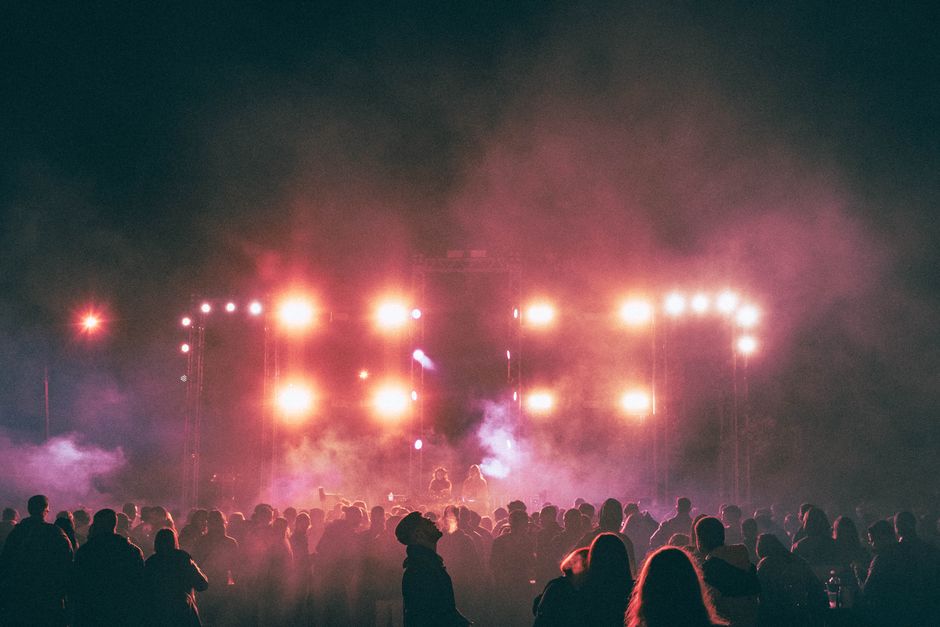
Walk backstage at any theatre in the Vila Mariana or Consolação neighbourhoods on a Tuesday afternoon, and you'll find the real engine of São Paulo's thriving arts scene: people hunched over lighting rigs, rebuilding sets from cardboard and steel, coordinating logistics for productions that serve audiences across the city's sprawling geography.
This invisible workforce—numbering in the hundreds across São Paulo's formal and independent theatre spaces—represents a largely untold story of artistic infrastructure. While directors and actors receive critical attention, the technical and production teams who enable performances rarely get recognition, despite their creative contributions shaping everything from intimate 80-seat venues in Pinheiros to grand productions at the Theatro Municipal's 1,500-seat auditorium.
The economics tell part of the story. A typical mid-size production at venues like SESC Pompéia or Instituto Tomie Ohtake operates on budgets ranging from R$150,000 to R$400,000, with production design and technical crews consuming roughly 30-40 percent of that total. Yet technical professionals in São Paulo's theatre sector earn significantly less than their film and television counterparts—averaging R$3,000 to R$6,000 monthly for full-time positions, according to labour surveys from the Association of Theatre Professionals of São Paulo.
The pandemic accelerated changes in how this work happens. When lockdowns shuttered venues between 2020 and 2022, many production teams pivoted to experimental formats. Some, like the collectives operating in converted warehouses along Rua Vergueiro, developed hybrid approaches combining live performance with digital elements—work that required learning entirely new skill sets without proportional wage increases.
Today, younger technicians entering the field face a peculiar challenge: the democratisation of theatre-making tools has simultaneously devalued their labour. Digital design software allows directors to visualise sets before construction, yet someone still must build them. Sound design software proliferates, yet acoustics experts remain essential for venues with poor infrastructure.
What keeps these professionals in São Paulo's theatre sector isn't compensation—it's access to a rare cultural ecosystem. The city supports approximately 200 active theatre spaces, from massive institutions to single-room experimental venues, creating continuous work for those willing to navigate its fragmented funding landscape of government grants, private sponsorship, and increasingly, crowdfunding.
The real story of São Paulo's performing arts isn't about individual artistic triumphs. It's about the collective architecture built by hundreds of unnamed practitioners who transformed this city into one of the world's most vibrant theatre centres—one technical decision, one rebuilt set, one solved problem at a time.
This article was compiled by AI from the sources linked above and screened before publishing. See our editorial standards.