Walk through the Jardins district on any given weekend in late June, and you'll encounter São Paulo's defining paradox: a megacity of 12 million people that behaves less like a monolith and more like a constellation of neighbourhood-based creative ecosystems. This fragmentation, once perceived as chaotic, has become the city's greatest cultural asset—and nowhere is this more evident than in how festivals and events now function as identity anchors across distinct communities.
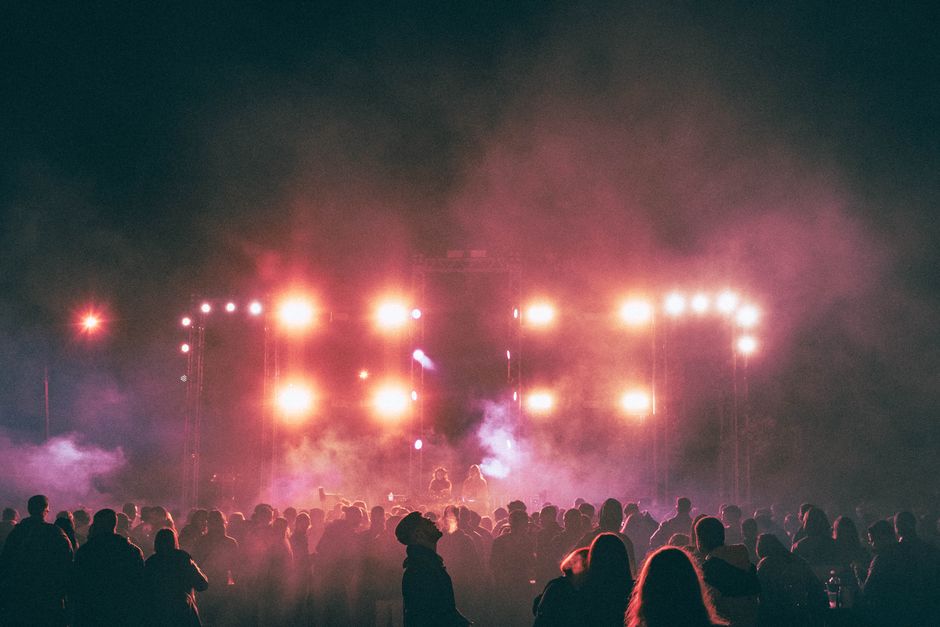
The Virada Cultural, which draws over 2 million attendees annually to events spanning Avenida Paulista, the Bom Retiro district, and beyond, has catalysed a broader shift. What began as a single night of cultural democratisation has morphed into a template: neighbourhoods now programme year-round festivals that reflect their specific demographics and creative ecosystems. Villa Madalena's street art initiatives attract international graffiti collectives and visual artists, while Liberdade's experimental theatre season—featuring productions in Portuguese, Japanese, and Korean—positions the district as São Paulo's most linguistically diverse creative hub.
The economics tell a story too. According to recent São Paulo Turismo data, cultural events generated approximately R$8.2 billion in economic activity across the metropolitan area last year, with festivals accounting for roughly 34% of that figure. More significantly, 67% of festival attendees reported that these events influenced their perception of neighbourhood identity. This represents a tangible shift: culture is no longer something that happens in São Paulo; it's increasingly what defines different parts of the city.
Sesc's venues across the city—particularly the iconic Sesc Pompéia in the west zone—continue to anchor this landscape, programming everything from contemporary dance to electronic music experiments. Meanwhile, independent collectives operating from converted warehouse spaces in Mooca and Tatuapé have cultivated fierce local followings, their grassroots festivals rivalling larger institutional events in cultural currency if not budget.
What's striking is how these festivals function as mirrors for residents' evolving sense of belonging. A teenager from the suburbs attending a música eletrônica festival in an industrial complex on Avenida Sumaré isn't simply consuming culture—she's participating in the construction of a creative identity that extends beyond São Paulo's traditional elite cultural institutions.
As this calendar densifies—with neighbourhood associations, cultural collectives, and corporate sponsors all competing for dates and audience attention—São Paulo is quietly answering a question that has dogged the city for decades: what does it actually mean to be culturally Brazilian in the 21st century? The answer, increasingly, looks less like a single voice and more like a thousand neighbourhood anthems.
This article was compiled by AI from the sources linked above and screened before publishing. See our editorial standards.