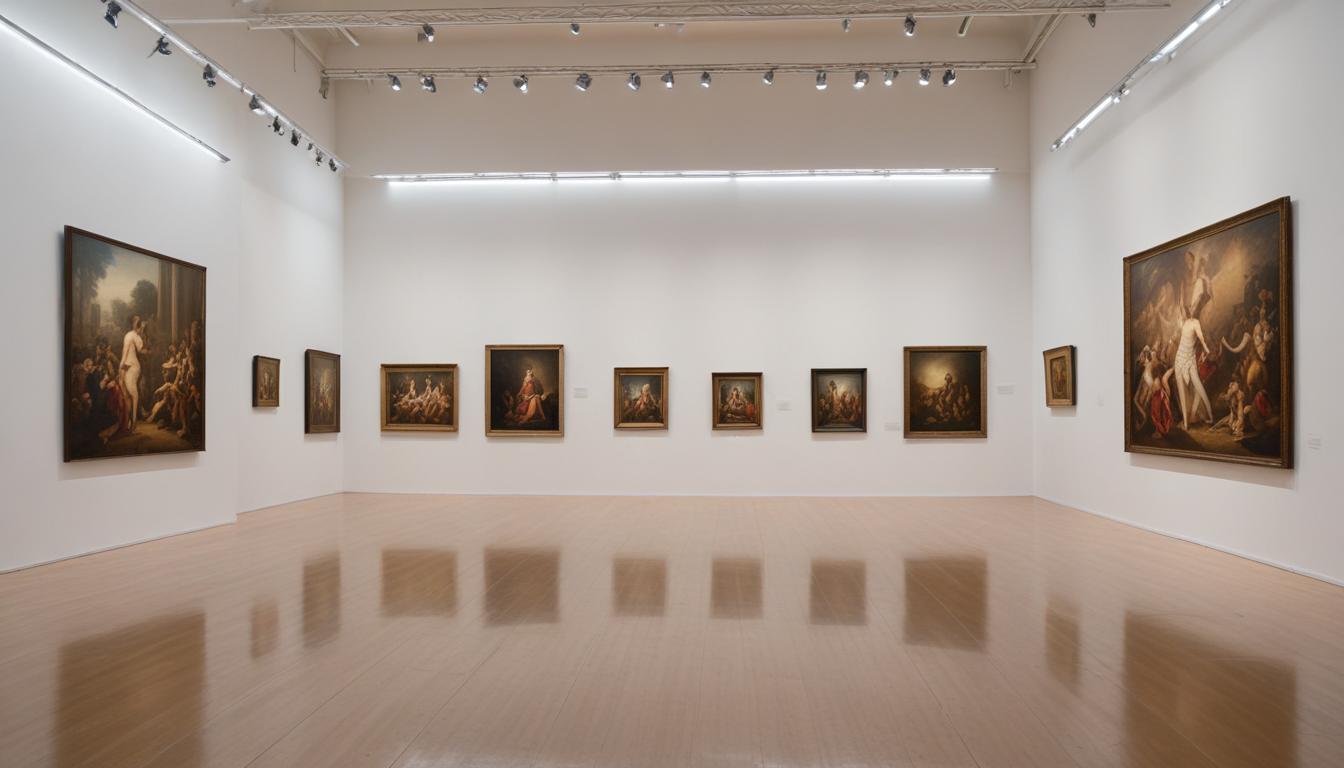
Walk through Vila Madalena on any given Friday evening and you'll notice something has shifted. The neighborhood's gallery scene, long dominated by established names with deep pockets and international pedigree, is undergoing a generational recalibration. A new wave of curators, mostly under 35, are opening artist-led initiatives, pop-up collectives, and intimate gallery spaces that prioritize experimental practice over commercial viability—at least for now.
The shift reflects broader changes in São Paulo's cultural ecosystem. According to data from the São Paulo Museum Association, institutions reporting emerging curator programs increased by 43% between 2023 and 2025. Simultaneously, younger audiences—particularly Gen Z collectors—are gravitating toward spaces on Rua Aspicuelta and Rua Bom Retiro that showcase untested voices rather than established market darlings.
"The traditional museum model felt stale," says the curatorial team behind Espaço Transitório, a nomadic collective that recently occupied a converted warehouse in Pinheiros. They've organized four major group exhibitions in eighteen months without a permanent address, deliberately rejecting institutional stability to maintain creative agility. Their operating budget: roughly 15,000 reais per project, sourced through artist contributions and small grants.
Similar energy pulses through initiatives like Coletivo Vermelho, which activates corner galleries along Rua Augusta with biweekly salon-style hangings. What unites these spaces isn't aesthetic coherence but methodology: they privilege process over finished product, community participation over passive spectatorship, and regional Brazilian narratives often sidelined by São Paulo's historically Eurocentric institutional gaze.
The Pinacoteca do Estado's new associate curator program, launched in 2024, has become a pipeline for this emerging generation. Five recent appointees have already programmed significant acquisitions of work by women artists and artists of color—categories historically underrepresented in the collection. Their influence suggests institutional gatekeepers are listening, however cautiously.
Not everyone celebrates the shift. Older dealers worry about sustainability and question whether experimentation without commercial pressure breeds dilettantism. Yet attendance data tells another story: emerging-artist-focused exhibitions across São Paulo's independent gallery circuit drew nearly 89,000 visitors last year, a 31% increase from 2024.
As this cohort matures over the next five years—some are already securing international residencies and prestigious group shows—São Paulo's cultural identity may shift toward something more democratic, more regionally rooted, and less beholden to global art market mechanics. That's not guaranteed. But for now, on any Friday in Vila Madalena, the energy is unmistakably generational.
This article was compiled by AI from the sources linked above and screened before publishing. See our editorial standards.