São Paulo's Next Wave: Five Emerging Voices Reshaping the City's Gallery Landscape
As established institutions face shifting visitor patterns, a new generation of curators and artists in Vila Madalena and Pinheiros is demanding space—and getting it.
As established institutions face shifting visitor patterns, a new generation of curators and artists in Vila Madalena and Pinheiros is demanding space—and getting it.
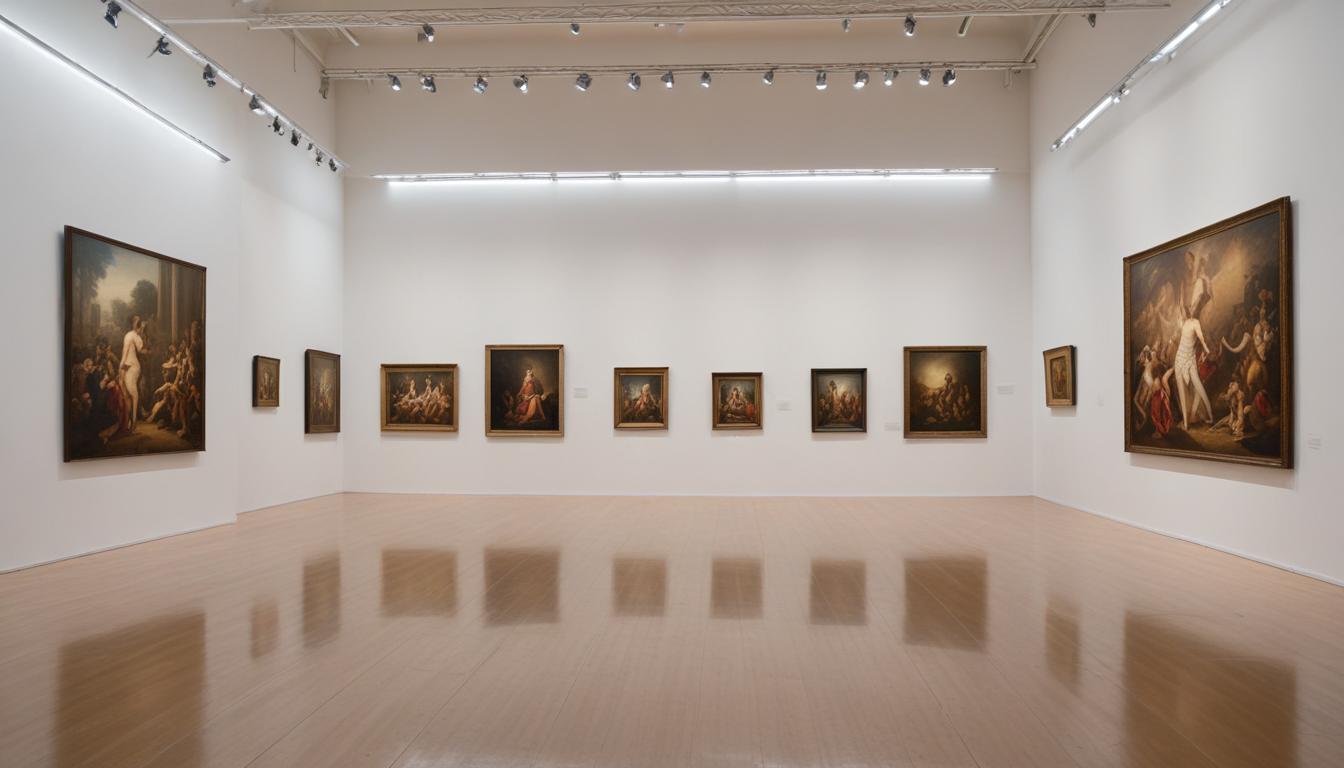
Walk down Rua Aspicuelta on any Friday evening and you'll sense it: São Paulo's gallery scene is in the midst of a generational shift. While the Museu de Arte de São Paulo (MASP) and Instituto Tomie Ohtake continue their heavyweight exhibitions, a scrappier, more deliberately diverse wave of emerging voices is carving out territory in the city's secondary neighborhoods, challenging what gets shown and who gets to decide.
The numbers tell part of the story. A 2025 survey by the Associação de Galerias de Arte de São Paulo found that 34% of new gallery openings in the past 18 months were initiated by curators under 35, with nearly 60% of these spaces located outside the traditional Consolação corridor. Vila Madalena, Pinheiros, and increasingly Vila Leopoldina have become incubators for experimental practice, where monthly rent of R$8,000–R$12,000 per space remains accessible enough to take risks.
These spaces are deliberately recalibrating what "emerging" means in a city of 12 million. Rather than exclusively showcasing young Brazilian artists, many are foregrounding overlooked practitioners from the Global South, prioritizing Indigenous artistic perspectives, and creating platforms for artists working across sculpture, video, and digital media simultaneously. Galleries like Galeria Demente on Rua Purpurina and the artist-run collective spaces clustering near Rua Mourato Coelho have become de facto laboratories where experimental formats—artist talks, performance nights, community dinners—blur institutional boundaries.
The shift reflects broader anxieties. As international art market focus has cycled away from emerging Brazilian contemporary work toward established names like Beatriz Milhazes or Lygia Pape estates, younger curators are strategically disengaging from that logic entirely. Instead, they're building slower, community-rooted programs. One notable trend: collaborative exhibitions that partner multiple small galleries, pooling resources to attract serious collectors and press attention without the overhead of single institutions.
The Pinacoteca do Estado's recent decision to allocate 15% of its 2026 acquisition budget to artists under 30 signals institutional recognition of this shift. Meanwhile, university programs at USP and PUC have expanded curatorial studies, producing a talent pool with theoretical sophistication and international exposure.
Not everything is rosy. Precarity remains real—most emerging curators balance gallery work with adjunct teaching or art handling. Yet the sheer number of new voices, combined with their deliberate refusal to chase traditional prestige markers, suggests São Paulo's next chapter will look notably different from the last. For collectors and serious art-goers, that means showing up in these neighborhoods isn't optional anymore; it's essential.
This article was compiled by AI from the sources linked above and screened before publishing. See our editorial standards.
How does this story make you feel?
Spread the word
About this article
Published by The Daily São Paulo
Daily brief
Free, in your inbox before 7am. Weekdays.
More in culture