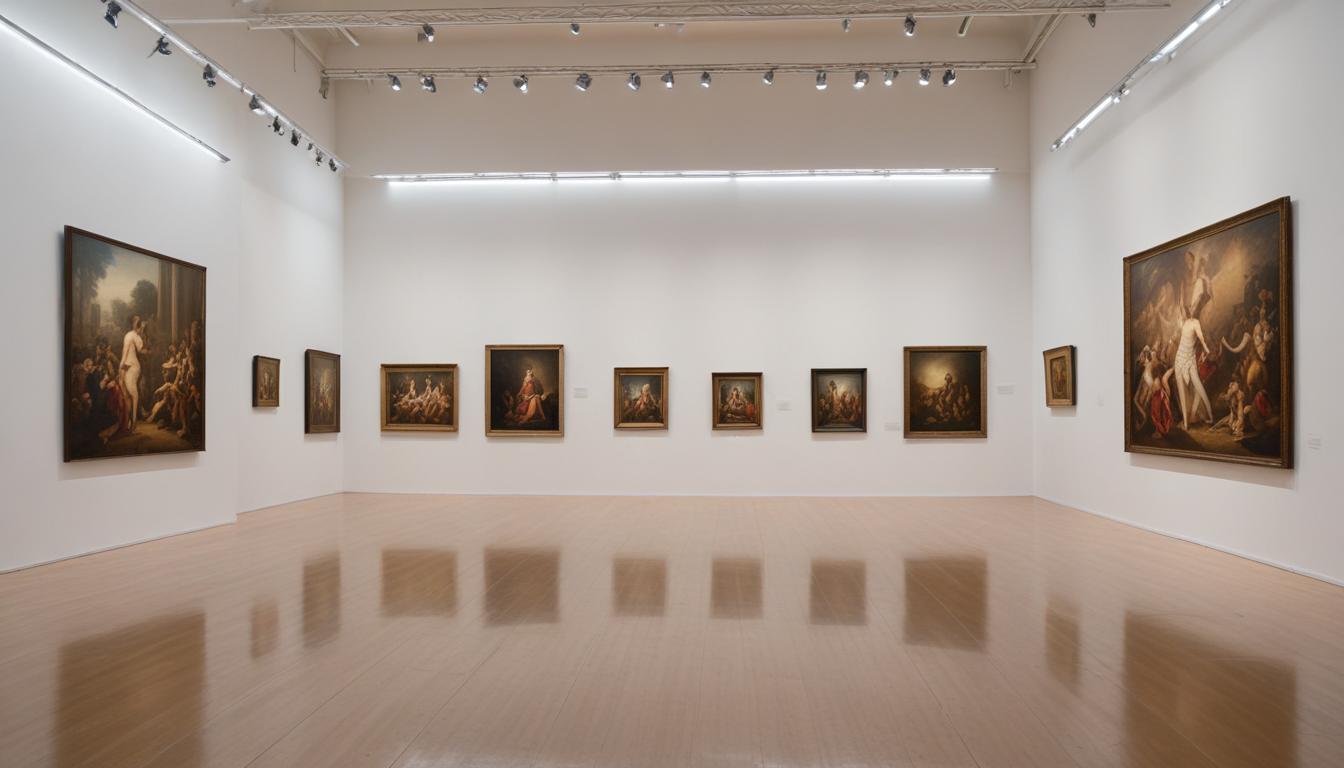
Walk through the cobblestone streets of Bom Retiro on a Saturday morning, and you'll witness São Paulo's cultural identity in motion. The neighbourhood's textile heritage—once the lifeblood of Brazilian manufacturing—now pulses through galleries, design studios, and independent fashion boutiques that occupy century-old warehouses. This intersection of industrial memory and contemporary creativity has become emblematic of how the city's oldest districts are actively reshaping what it means to be paulista in 2026.
The transformation reflects a broader movement. According to the São Paulo Cultural Institute, investment in heritage-adjacent creative spaces has grown 34 percent since 2023, particularly in neighbourhoods like Luz, Pari, and Bexiga. These areas, long overlooked by mainstream development, are becoming laboratories for a new São Paulo—one that refuses to erase its past while racing toward the future.
The Pinacoteca do Estado, anchored in Luz since 1905, has become more than a museum; it's a gravitational centre. Around it, independent galleries, artist collectives, and cultural organisations have flourished. The nearby Estação Pinacoteca opened in 2004 in a renovated railway station, drawing over 250,000 visitors annually and demonstrating how heritage infrastructure can catalyse creative economies.
Yet this revival isn't uniform or without tension. In Vila Madalena—famous for its psychedelic street art scene since the 1980s—rising property values threaten to displace the very artists who defined its character. Monthly rent for modest studio spaces has climbed from R$1,800 to nearly R$3,500 in five years. Community organisations like Arte Sesc and Casa das Caldeiras are fighting to maintain affordable creative spaces, recognising that cultural identity depends on accessibility, not just aesthetics.
The city's response has been mixed. The São Paulo Municipal Government's Heritage Protection Programme has designated 78 new buildings since 2024, while simultaneously supporting artist residency programmes in historic neighbourhoods. Bexiga, where turn-of-the-century tenements frame narrow alleys, now hosts the annual Biennale of Street Art, attracting 50,000 visitors and positioning the neighbourhood's working-class history as cultural currency.
What's emerging is a São Paulo wrestling with itself: how to honour the immigrant communities, industrial workers, and artists who built this city, while allowing space for new voices. These heritage neighbourhoods aren't museums frozen in time. They're living archives where cultural identity is being actively negotiated, street by street, gallery by gallery, between memory and possibility.
This article was compiled by AI from the sources linked above and screened before publishing. See our editorial standards.