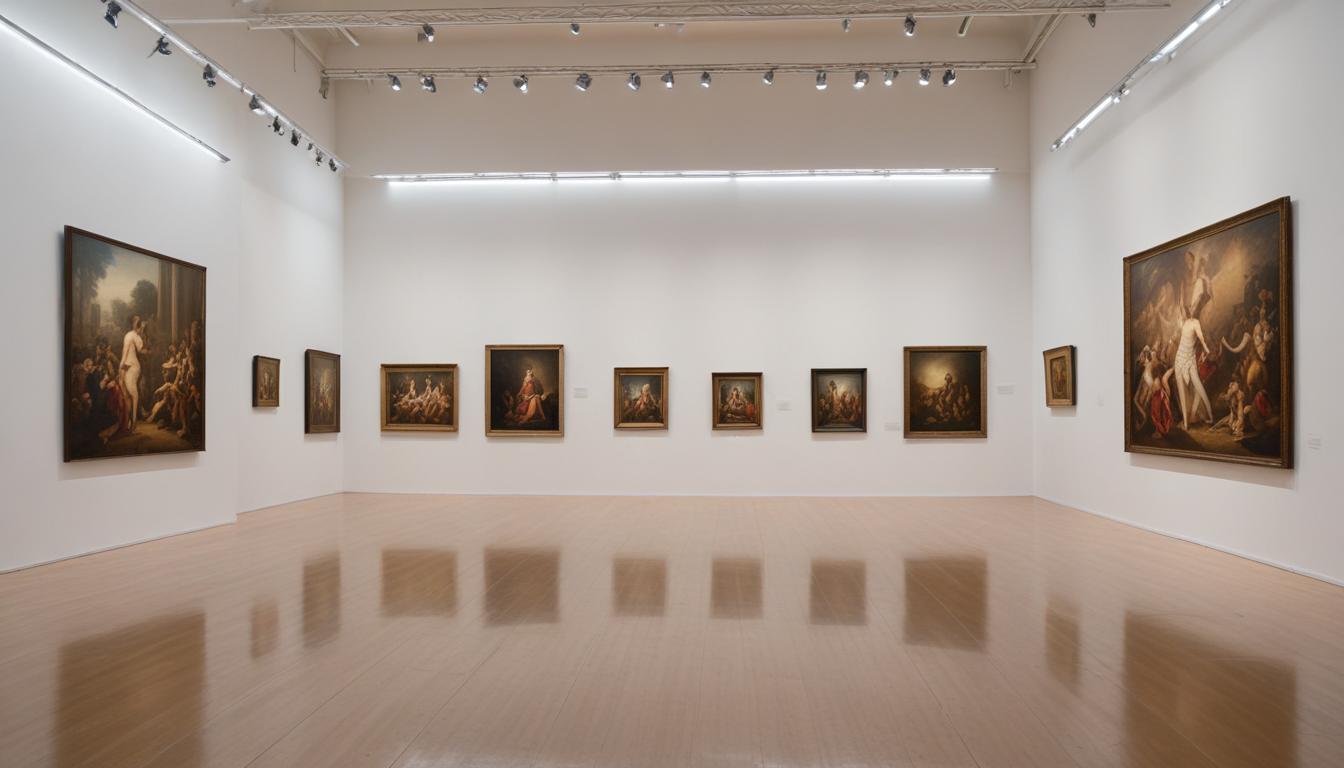
Walk through the Vila Mariana neighbourhood today and you'll find glass-fronted galleries displaying contemporary Brazilian art to international collectors. Four decades ago, this tree-lined district was home to makeshift studio spaces where artists squatted in abandoned warehouses, desperate for exhibition space in a city that barely acknowledged modern culture.
The transformation of São Paulo's arts scene mirrors Brazil's own turbulent modernisation. In the 1980s, as the country emerged from military dictatorship, a handful of gallerists—many self-taught, operating on borrowed capital—began formalising what had been an underground creative ecosystem. The Pinacoteca do Estado, founded in 1905 but languishing in relative obscurity, suddenly became a focal point for cultural revival under visionary curators who recognised São Paulo's artistic hunger.
By the 1990s, the gallery district had consolidated along Avenida Europa and surrounding streets. Spaces like Galeria Nara Roesler opened their doors, initially serving a small circle of collectors and curators. Today, São Paulo hosts over 400 registered art galleries—more than any other South American city. The MASP (Museu de Arte de São Paulo), established in 1947 but revolutionised through successive expansions, now attracts 800,000 annual visitors and commands international respect.
The economic numbers tell a striking story. São Paulo's art market generated approximately R$2.1 billion in transactions in 2024, up from negligible figures three decades earlier. Major auction houses now hold regular sales in the city, and Brazilian artists who once struggled for recognition command six-figure prices at international fairs.
Pinheiros emerged as a secondary hub in the 2000s, with younger galleries occupying converted factories and apartments. The neighbourhood's relatively affordable rents attracted risk-taking curators experimenting with installation, digital media, and performance—genres that established institutions initially resisted. Today, this creative ferment has made Pinheiros a genuine destination for international art scouts.
Yet the scene's evolution hasn't been straightforward. Gentrification has priced out emerging artists from central neighbourhoods. Rising gallery rents have consolidated the market, with mid-sized spaces struggling to survive. The sector's dependence on a relatively narrow collector base—concentrated among São Paulo's wealthy elite—remains a structural vulnerability.
Still, what's undeniable is the city's transformation from cultural backwater to genuine arts metropolis. The Bienal do Mercosul, international artist residencies, and ambitious public art projects signal a maturing ecosystem. São Paulo's gallery scene reflects a broader truth: when cities invest in culture, culture invests back in the city.
This article was compiled by AI from the sources linked above and screened before publishing. See our editorial standards.