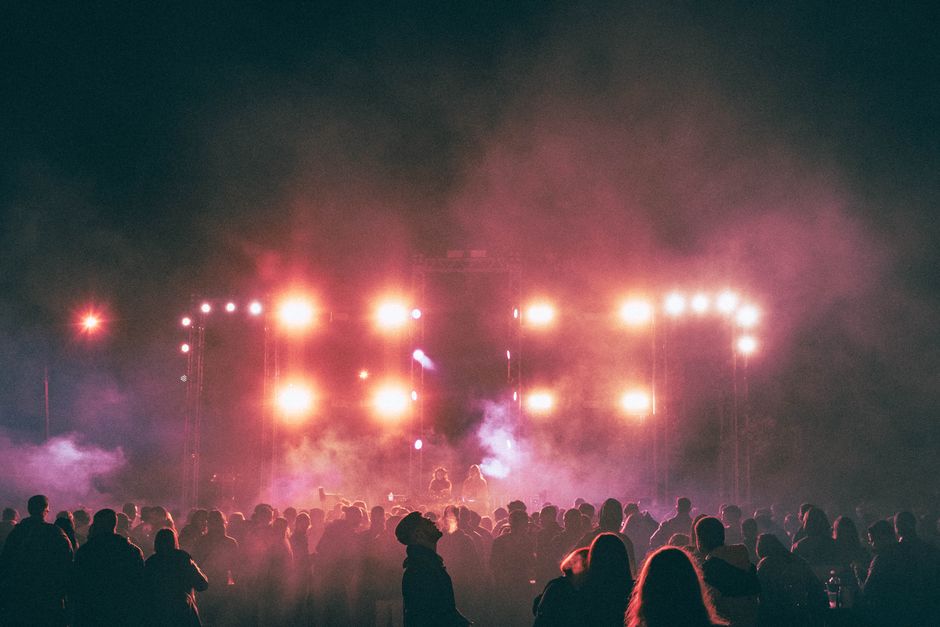
Walk through Vila Madalena on any given weekend and you'll encounter a São Paulo that's radically different from the one that existed in the 1990s. Today's thriving festival ecosystem—generating an estimated R$ 2.3 billion annually for the city's cultural economy—bears little resemblance to the underground warehouse parties that first sparked the scene decades ago.
The transformation began in the late 1980s, when electronic music enthusiasts began organizing clandestine events in abandoned factories across the Zona Leste. These weren't advertised; they spread through whispered word-of-mouth and late-night phone calls. By the early 2000s, that DIY ethos had evolved into something more organized. The Virada Cultural, launched in 2005 as a 24-hour cultural marathon spanning Avenida Paulista and beyond, legitimized what had previously existed in the margins. That inaugural event attracted 2 million people—a figure that stunned city officials and marked a turning point.
What followed was explosive growth. Festa Literária Internacional de Paraty brought prestige to the literary calendar starting in 2003. The São Paulo International Short Film Festival, housed in institutions like SESC Pompéia, professionalized the documentary and experimental film space. By the 2010s, Carnival had evolved beyond traditional samba schools—street blocos in Pinheiros and Vila Mariana began attracting younger, more diverse crowds, fundamentally democratizing a celebration once dominated by specific communities.
The geography of festivals has shifted too. While central venues like Theatro Municipal and SESC locations remain crucial anchors, the 2010s saw decentralization spread events across neighbourhoods. Imigrantes neighborhood now hosts the Festa da Cultura da Imigração. The Zona Sul gained ground with initiatives like Casa de Criadores in Chácara Flora. This distribution was intentional—city planners recognized that concentrating culture in the Paulista-Consolação corridor excluded millions.
Today's calendar is staggering: roughly 15,000 registered events annually, with major festivals like Bienal do Livro drawing 800,000 visitors and generating ticket revenue exceeding R$ 8 million. The professionalization is evident in production values, marketing budgets, and sponsorship structures that would have been unimaginable to 1990s warehouse promoters.
Yet something persists from those underground days—an experimental spirit. Smaller festivals still thrive alongside corporate-sponsored megaevents. Initiatives like Virada Sustentável and emerging cultural collectives continue pushing boundaries, ensuring São Paulo's festival scene remains not just a calendar item, but a living laboratory for creativity.
This article was compiled by AI from the sources linked above and screened before publishing. See our editorial standards.