How a collective of Zona Leste artists built São Paulo's most anticipated street festival from scratch
Behind the scenes of Festa da Periferia, the grassroots movement reshaping how the city celebrates its own creativity.
Behind the scenes of Festa da Periferia, the grassroots movement reshaping how the city celebrates its own creativity.
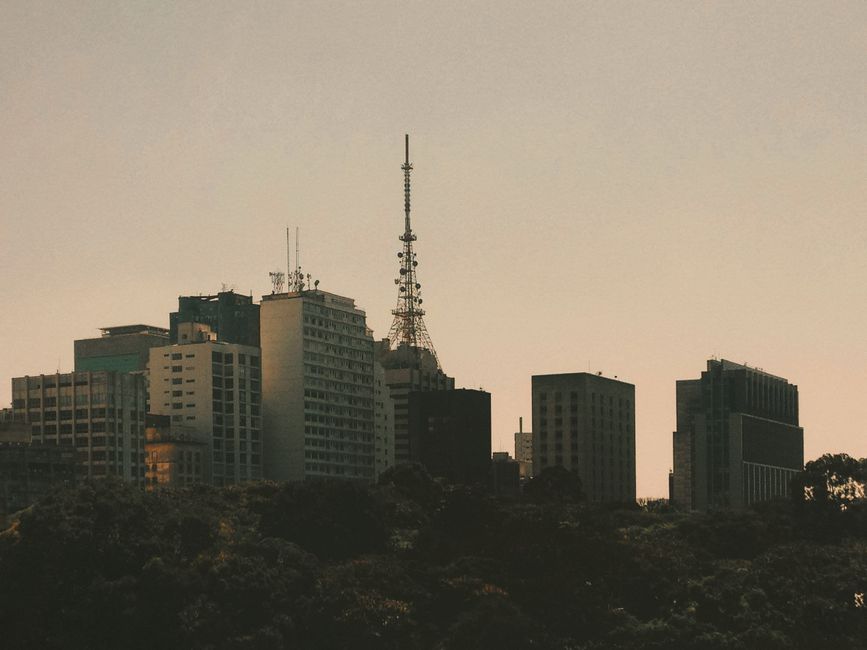
Walk through the streets of Itaquera on any Saturday in July, and you'll encounter a controlled chaos: muralists on scaffolding, sound technicians testing speakers outside converted warehouses, vendors arranging handmade crafts on folding tables. This is the infrastructure of Festa da Periferia, São Paulo's fastest-growing cultural phenomenon, born not in the boardrooms of Vila Madalena but in community centers and garage studios across the city's eastern periphery.
The festival, now in its fourth year, draws over 40,000 visitors annually to neighbourhoods that rarely see tourism dollars. Yet its origin story remains largely unknown—a testament to how deeply rooted it is in the communities it serves. It began in 2023 when a group of seven artists and cultural producers, frustrated by the concentration of funding in the south and west zones, decided to organize their own event. Working from a cramped office above a bakery on Avenida Itaquera, they pooled resources, applied for municipal grants through São Paulo's cultural council, and recruited over 200 volunteer performers.
The driving force behind the initiative included muralists, hip-hop producers, and independent theatre directors—individuals whose work rarely receives institutional recognition. They approached local businesses, schools, and non-profits, securing in-kind donations rather than corporate sponsorships. The first edition, held across six blocks, featured 80 artists. Last year's event expanded to 12 blocks, incorporating seven neighborhoods and generating an estimated 3 million reais in economic activity for small vendors and street food sellers.
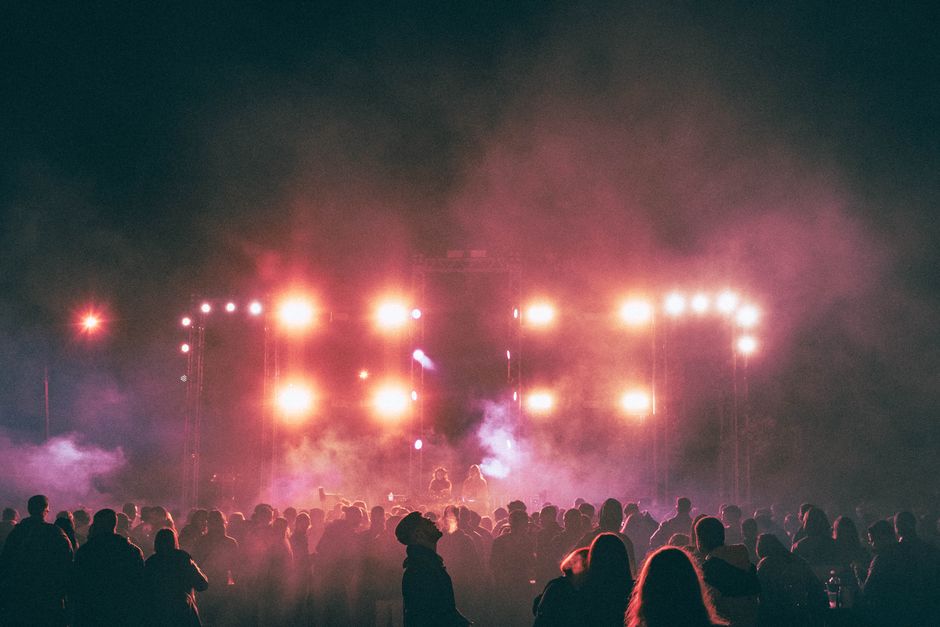
What distinguishes Festa da Periferia from São Paulo's established summer calendar—the Cinema Under the Stars series in Ibirapuera, the Virada Cultural—is its fundamental approach to decision-making. A rotating committee of local residents determines programming, not external curators. This structure has created space for experimental dance installations, afrobeat concerts, and poetry readings alongside traditional samba and funk stages.
Funding remains precarious. The 2026 edition operates on a municipal grant of 250,000 reais, supplemented by crowdfunding that raised an additional 180,000 reais. The organizers estimate they could reach 60,000 visitors this year, but only with sustained community participation.
As gentrification pressures accelerate in São Paulo's outer zones, events like this serve a dual purpose: celebrating existing cultural vitality while creating economic opportunity in neighborhoods often overlooked by the city's official cultural calendar. The festival runs July 11-19.
This article was compiled by AI from the sources linked above and screened before publishing. See our editorial standards.
How does this story make you feel?
Spread the word
About this article
Published by The Daily São Paulo
Daily brief
Free, in your inbox before 7am. Weekdays.
More in culture