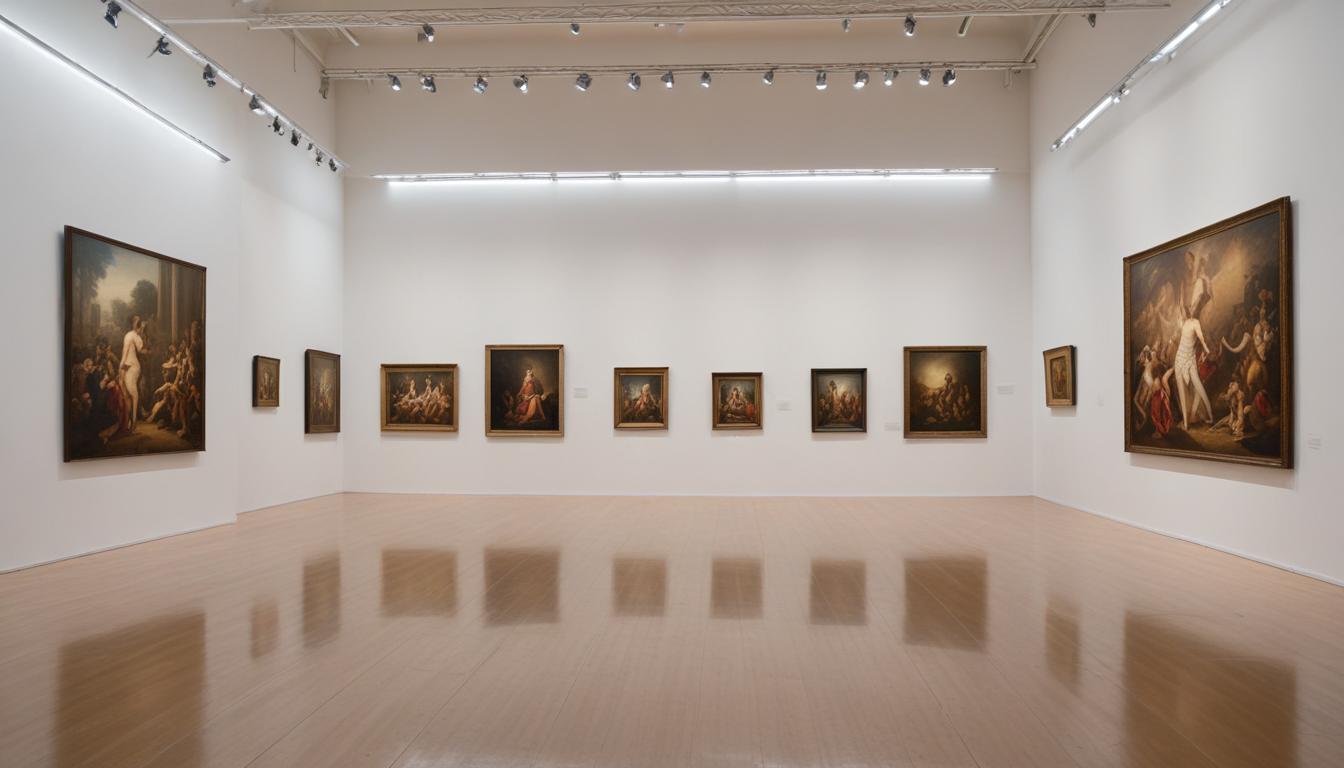
In a converted warehouse on Rua Vergueiro in the Liberdade neighbourhood, boxes of photographs, newspaper clippings, and handwritten testimonies line metal shelves. This is Arquivo Vivo, a community-run digital repository launched three years ago by residents of Heliópolis and Guarapiranga, two of São Paulo's largest favelas. What began as a grassroots documentation project has evolved into something far more significant: a direct challenge to whose stories get preserved and celebrated in Brazil's largest city.
"For decades, our neighbourhoods appeared in the media only during moments of crisis," explains the collective's methodology document, describing how residents systematised their own oral histories after discovering municipal archives contained minimal records of favela life beyond crime statistics and social problems. The initiative reflects a broader shift rippling through São Paulo's periphery, where cultural activists are rejecting the role of passive subjects in outsider-directed narratives.
This movement extends beyond documentation. In Zone East suburbs like Itaquera and Guaianases, neighbourhood cultural centres—many operating on budgets under R$50,000 annually—are programming their own exhibitions, film festivals, and performance series. The Periferia em Movimento network, which coordinates approximately forty grassroots organisations across São Paulo's outer zones, has grown from informal gatherings in 2019 to hosting the Mostra Periférica, an annual celebration attracting over 15,000 visitors.
What distinguishes this moment is not merely the visibility of peripheral voices—São Paulo's cultural establishment has long absorbed and celebrated marginal aesthetics. Rather, it is the assertion of institutional autonomy. Collectives are building their own exhibition spaces, publishing their own criticism, and most crucially, controlling their own archival narratives. This represents what cultural theorists term "epistemic justice"—the right to be recognised as a knower of one's own history.
The economic dimensions matter too. While major cultural institutions in Cerqueira César and Jardins command municipal funding dwarfing peripheral allocations, grassroots collectives have pioneered alternative funding models: participatory budgeting campaigns, cryptocurrency fundraising for digital archives, and cooperative models that distribute resources horizontally rather than through traditional grant hierarchies.
As São Paulo approaches its 475th anniversary in 2029, this decentralised cultural movement signals a fundamental reckoning. The city's identity is no longer being written solely from its prosperous south; increasingly, it emerges from conversations happening in community centres on the periphery, where residents are insisting their memories, aesthetics, and interpretations constitute legitimate history.
This article was compiled by AI from the sources linked above and screened before publishing. See our editorial standards.