São Paulo's art gallery landscape has undergone a profound metamorphosis over the past four decades, evolving from scattered bohemian ventures into a sophisticated network that now rivals international art capitals. This transformation tells the story of a city constantly reinventing itself through culture.
The seeds were planted in the 1980s and 1990s, when pioneering galleries began clustering in the gritty Vila Madalena neighbourhood, transforming warehouse spaces into exhibition venues. What started as a handful of experimental galleries—driven by artists seeking affordable real estate and creative freedom—gradually attracted serious collectors and institutions. The neighbourhood's narrow streets and converted factories became synonymous with São Paulo's emerging contemporary art identity.
The early 2000s marked an inflection point. The establishment of the São Paulo Art Biennial's international prominence, combined with increased wealth among Brazilian collectors, legitimised contemporary art as a serious investment. Galleries migrated eastward toward the Vila Mariana and Pinheiros neighbourhoods, where larger spaces and proximity to major museums offered room to scale. Meanwhile, the Pinacoteca do Estado and MASP—the Museum of Art of São Paulo—underwent significant expansions, solidifying the city's institutional infrastructure.
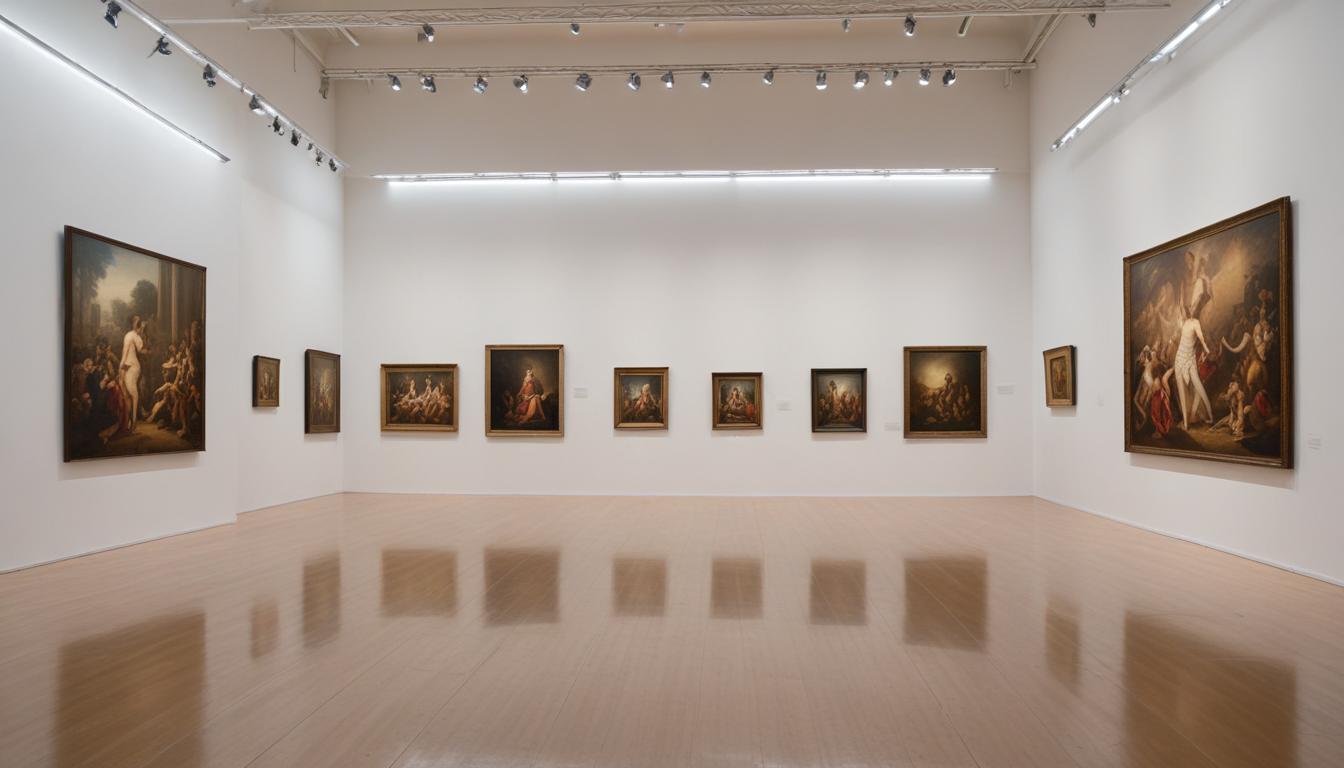
Today's scene is characterised by remarkable geographic diversity. The historic centre hosts experimental venues in former bank buildings and theatres, while the southern neighbourhoods support galleries ranging from intimate artist-run spaces to international franchises. Pinheiros alone now houses over forty galleries, from established names focusing on established Brazilian modernists to cutting-edge spaces showcasing emerging artists across Latin America and beyond.
Economic data underscores this growth. The Brazilian art market, heavily concentrated in São Paulo, reached approximately $640 million in transactions in 2025—a tenfold increase since 2005. Gallery attendance at major venues averages 400,000 visitors annually across the city's principal institutions and commercial galleries combined.
Yet the evolution hasn't been linear. The 2008 financial crisis decimated speculative galleries, forcing consolidation. Rising rents in central neighbourhoods subsequently pushed experimental spaces further into peripheral districts like Mooca and Tatuapé, democratising access and nurturing new talent.
What distinguishes São Paulo's current scene is its refusal to calcify. Unlike more established art cities, the ecosystem remains fluid—galleries vanish, neighbourhoods transform, and new venues emerge constantly. This perpetual becoming reflects the city itself: chaotic, ambitious, and determinedly forward-looking. For artists and collectors alike, São Paulo remains Latin America's most unpredictable and consequential art destination.
This article was compiled by AI from the sources linked above and screened before publishing. See our editorial standards.