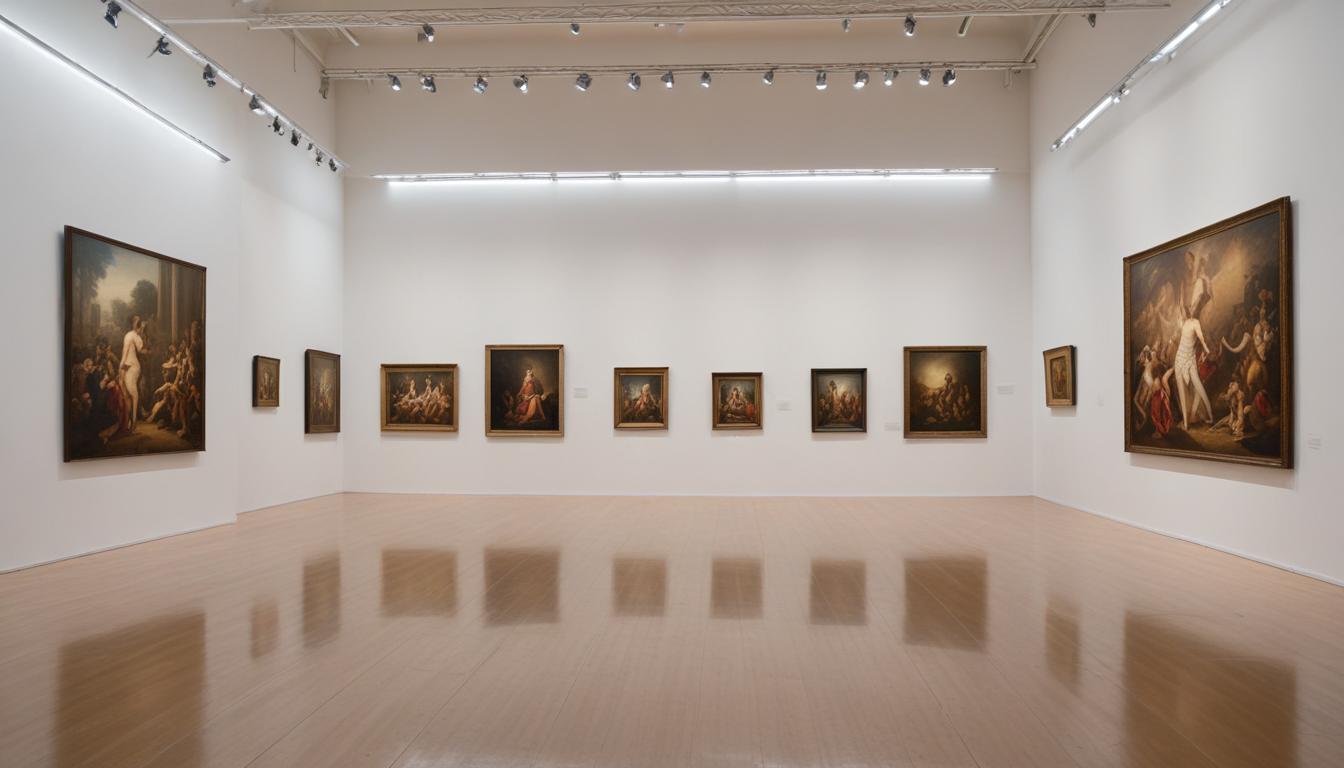
Walk down Rua Fidalga on any Saturday afternoon and you'll notice something that felt impossible just two years ago: galleries are packed. Not with obligatory openings, but with genuine crowds—students, collectors, curious neighbours—moving between white-walled studios and converted warehouse spaces. São Paulo's arts scene, long fragmented by economic pressures and pandemic aftershocks, is experiencing a quiet renaissance that locals can't stop discussing.
The shift centres on Vila Madalena and Pinheiros, where galleries that shuttered during Brazil's extended economic uncertainty have reopened with new models. The Pinacoteca do Estado's recent satellite exhibition space near Largo da Batata—featuring rotating contemporary works alongside its permanent collection—has drawn over 15,000 visitors since March. Meanwhile, smaller independent galleries have embraced accessibility: entry fees averaging R$30-50 (roughly USD $6-10) have replaced the previous gatekeeping, making the contemporary art world less exclusive than its historical reputation suggested.
Three factors explain the current momentum. First, international artist residency programs have expanded significantly. The Cidade Matarazzo cultural complex in Bom Retiro has partnered with European and Asian institutions to host 40 artists annually—more than triple its pre-2023 capacity. These residents don't just exhibit; they teach workshops and conduct studio visits, energizing a younger generation that previously felt disconnected from institutional art worlds.
Second, institutional players are decentralizing. The Museu de Arte de São Paulo (MASP) has launched a community collection initiative on the periphery, displaying works by Afro-Brazilian and immigrant artists in converted community centres across the South Zone. This directly challenges the concentration of cultural capital in wealthy neighbourhoods.
Third—and perhaps most tellingly for social media—Instagram has finally caught up with São Paulo's street art and muralism culture. Major galleries now partner with street artists, legitimizing graffiti as fine art rather than vandalism. This fusion is particularly visible along Rua Augusta, where institutional galleries sit metres from legally sanctioned murals.
Conversations in cafés along Rua Harmonia centre on accessibility and representation rather than purely commercial concerns. Local collectors report that emerging Brazilian artists—particularly women and queer artists—are finally gaining exhibition space previously reserved for imported names. The Salão da Primavera, historically an elite affair, now reserves 30% of wall space for applicants earning under R$3,000 monthly.
For a city often criticized for cultural insularity, something tangible has shifted. Museums aren't just surviving; they're expanding beyond their walls, speaking in local languages, and genuinely engaging neighbourhoods that felt excluded. That conversation—happening in galleries, on corners, in group chats—is what makes right now genuinely remarkable.
This article was compiled by AI from the sources linked above and screened before publishing. See our editorial standards.