São Paulo isn't a city that reveals itself politely. With 12 million residents sprawling across 1,500 square kilometres, it demands patience, curiosity, and a willingness to move beyond Avenida Paulista's gleaming corporate towers. Understanding the city means grasping how centuries of migration, indigenous presence, and artistic resistance have created Latin America's most culturally dense urban landscape.
Start in Pátio do Colégio, the colonial-era birthplace near the Ribeira neighbourhood where Portuguese Jesuits established their mission in 1554. This modest complex sits as São Paulo's oldest surviving structure, a necessary anchor point before exploring how the city became a melting pot. The nearby SESC Pompéia, housed in a converted factory in the western suburbs, embodies a distinctly Paulista approach to culture—architect Lina Bo Bardi's brutalist masterpiece now hosts theatre, exhibitions, and community programmes that feel authentically of the city rather than imposed upon it.
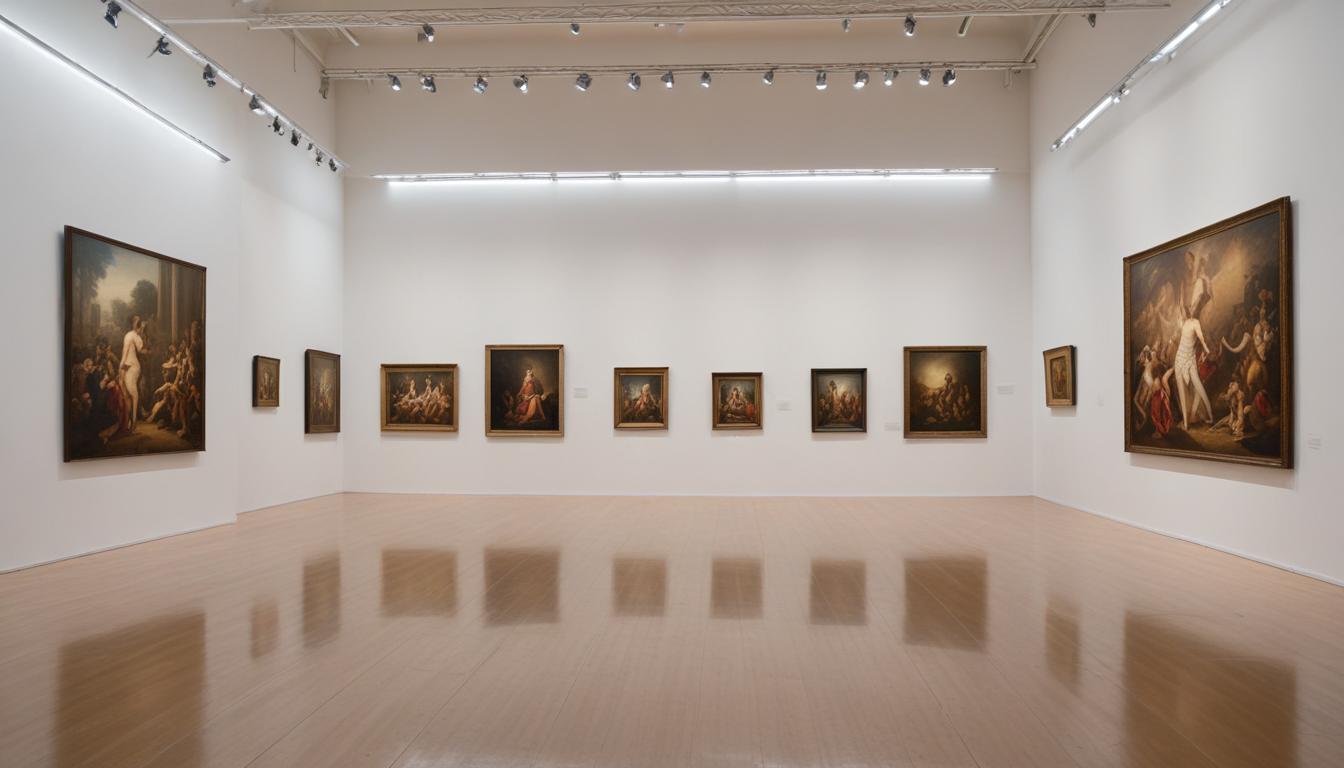
The Museu de Arte de São Paulo (MAAP) on Avenida Paulista, despite its prominence, deserves your time not for imported prestige but for its deep commitment to Brazilian modernism. Visitors often skip the permanent collection, but works by Portinari, Athos Bulcão, and Tarsila do Amaral form an essential narrative about how São Paulo's artists processed European avant-garde movements through distinctly Brazilian consciousness. Entry costs approximately 30 reais for international visitors.
For immigrant heritage, the Bom Retiro neighbourhood tells stories the city centre obscures. Once predominantly Jewish, then Italian, now with significant Korean, Bolivian, and Venezuelan populations, its narrow streets, vintage storefronts, and genuine working-class vitality reveal how São Paulo continuously reinvents itself through demographic waves. The Museu da Imigração in the Mooca district, occupying a former hospice where arriving migrants were processed, provides crucial context—free entry on Wednesdays.
Don't miss Vila Madalena's street art scene in the southern zone, where muralists have transformed urban surfaces into an open-air gallery reflecting contemporary Brazilian social commentary. The neighbourhood embodies São Paulo's creative infrastructure: small galleries, independent bookshops, and cafés where artistic conversations still carry weight.
Finally, understanding São Paulo requires recognizing indigenous presence that predates colonial arrival. The Museu do Índio, though modest, documents the Tupi and Guarani peoples whose languages and cultural practices remain embedded in Brazilian Portuguese and regional traditions. São Paulo's identity isn't a linear narrative—it's a palimpsest where layers coexist, sometimes harmoniously, often contentiously, always dynamically.
This article was compiled by AI from the sources linked above and screened before publishing. See our editorial standards.