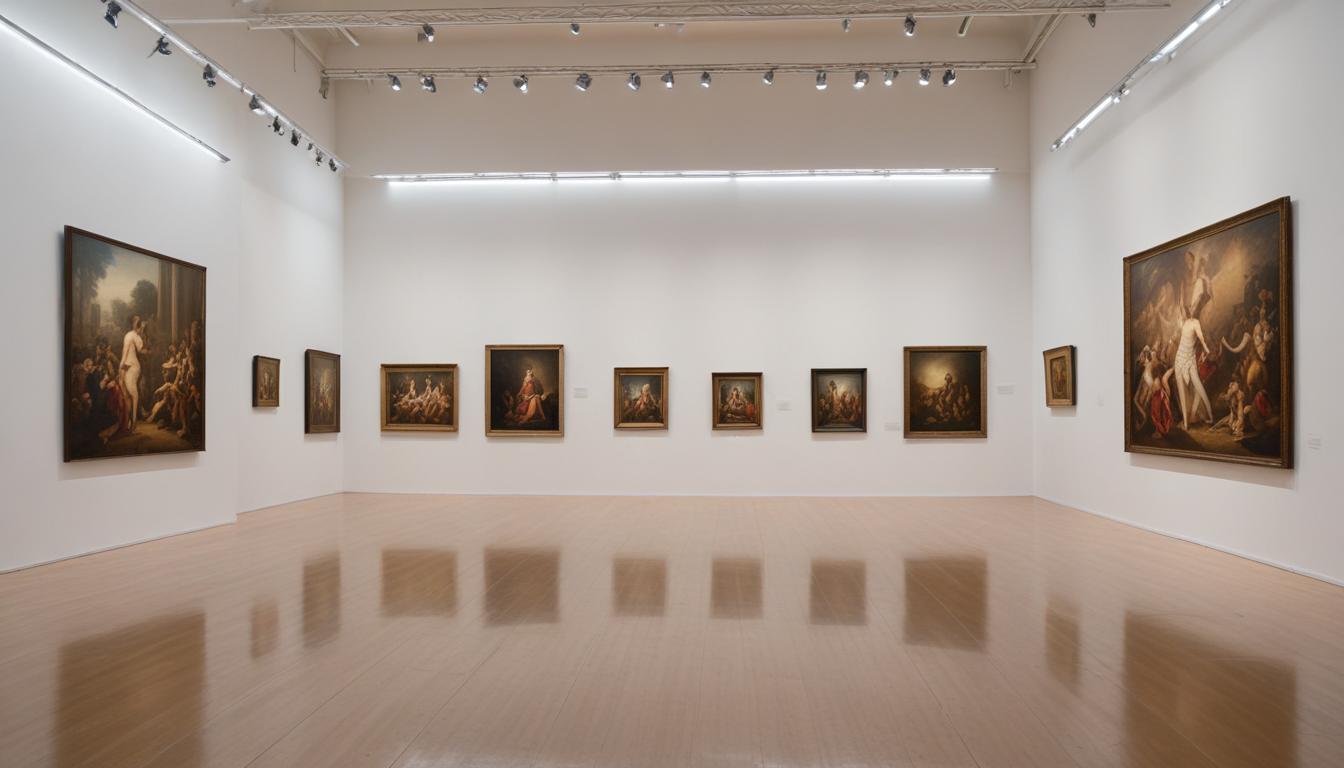
From Bohemian Basements to World-Class Stages: How São Paulo Built a Theatre Empire
Over seven decades, the city transformed from a handful of experimental venues into Latin America's undisputed performing arts capital.
Over seven decades, the city transformed from a handful of experimental venues into Latin America's undisputed performing arts capital.
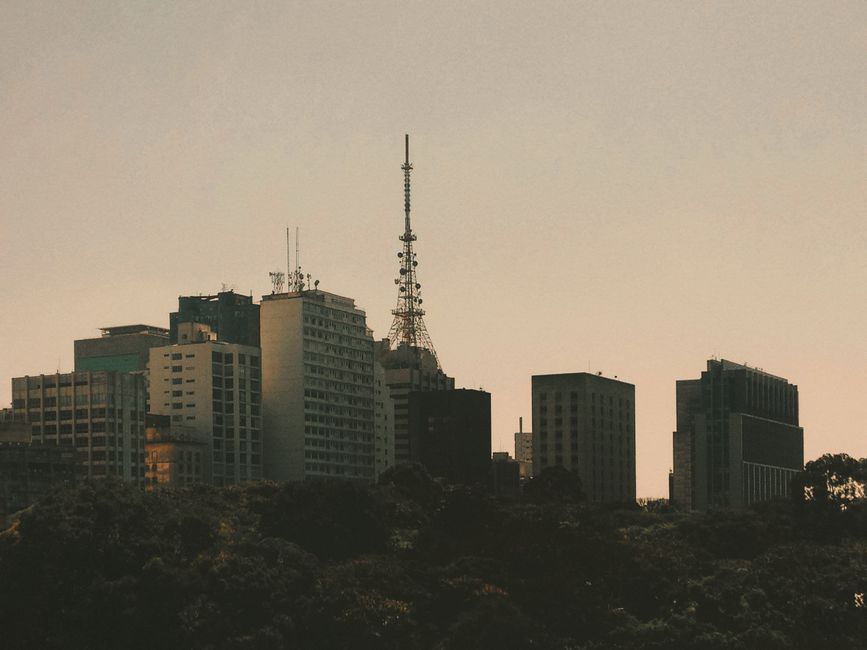
Walk down Rua Augusta on any given evening and you'll pass three theatres within a single block. This concentration of stages—from the intimate 80-seat Espaço Alcântara Machado to the grand Teatro Abril with its 1,100 seats—tells the story of São Paulo's unlikely rise as one of the world's most vibrant theatre cities.
The journey began in the 1950s, when a post-war cultural awakening swept through Vila Mariana and the Centro. Young dramatists, many influenced by European modernism and eager to challenge Brazil's conservative social order, began staging experimental productions in converted warehouses and church basements. The Teatro de Arena, founded in 1953 near Largo da Batata in Pinheiros, became the movement's spiritual home, pioneering a Brazilian theatrical language that rejected European artifice in favour of raw, socially conscious storytelling.
By the 1980s and 1990s, the scene had professionalized dramatically. The Theatro Municipal, Brazil's most opulent venue with its restored Belle Époque interiors, no longer monopolized high-culture productions. Instead, a distributed ecosystem emerged across neighbourhoods: Bela Vista became synonomous with experimental theatre; Consolação attracted cutting-edge dance; the SESC theatres across the city democratized access for working-class audiences, charging subsidized admission (roughly 20-40 reais today versus 80-150 reais for commercial venues).
The numbers reflect this transformation. According to the São Paulo Tourism Board, the city now hosts approximately 180 registered theatre venues—more than any other Brazilian metropolis. Annual theatre attendance hovers around 4.5 million tickets, generating over R$500 million in box office revenue. Major festivals like the Festa Literária Internacional de Paraty increasingly feature theatrical adaptations, while the SESC's annual programming alone reaches 2 million spectators.
Recent years have seen the scene mature into genuine international standing. Productions originating in São Paulo's theatres now tour to Berlin, New York, and Tokyo. The Grupo Galpão's decades-long evolution from street performers to sophisticated ensemble artists exemplifies this journey. Simultaneously, new venues in previously overlooked areas—particularly in the South Zone suburbs—are democratizing the arts beyond traditional bohemian strongholds.
Yet challenges persist. Rising rents along Rua Augusta and increasing real estate speculation threaten smaller venues. Post-pandemic recovery has been uneven, with independent theatres struggling against streaming culture's gravitational pull. Despite this, São Paulo's theatrical DNA—rooted in collective experimentation, social consciousness, and neighbourhood-based ecosystems—continues attracting artists and audiences who understand performance as essential infrastructure, not luxury commodity.
This article was compiled by AI from the sources linked above and screened before publishing. See our editorial standards.
How does this story make you feel?
Spread the word
About this article
Published by The Daily São Paulo
Daily brief
Free, in your inbox before 7am. Weekdays.
More in culture