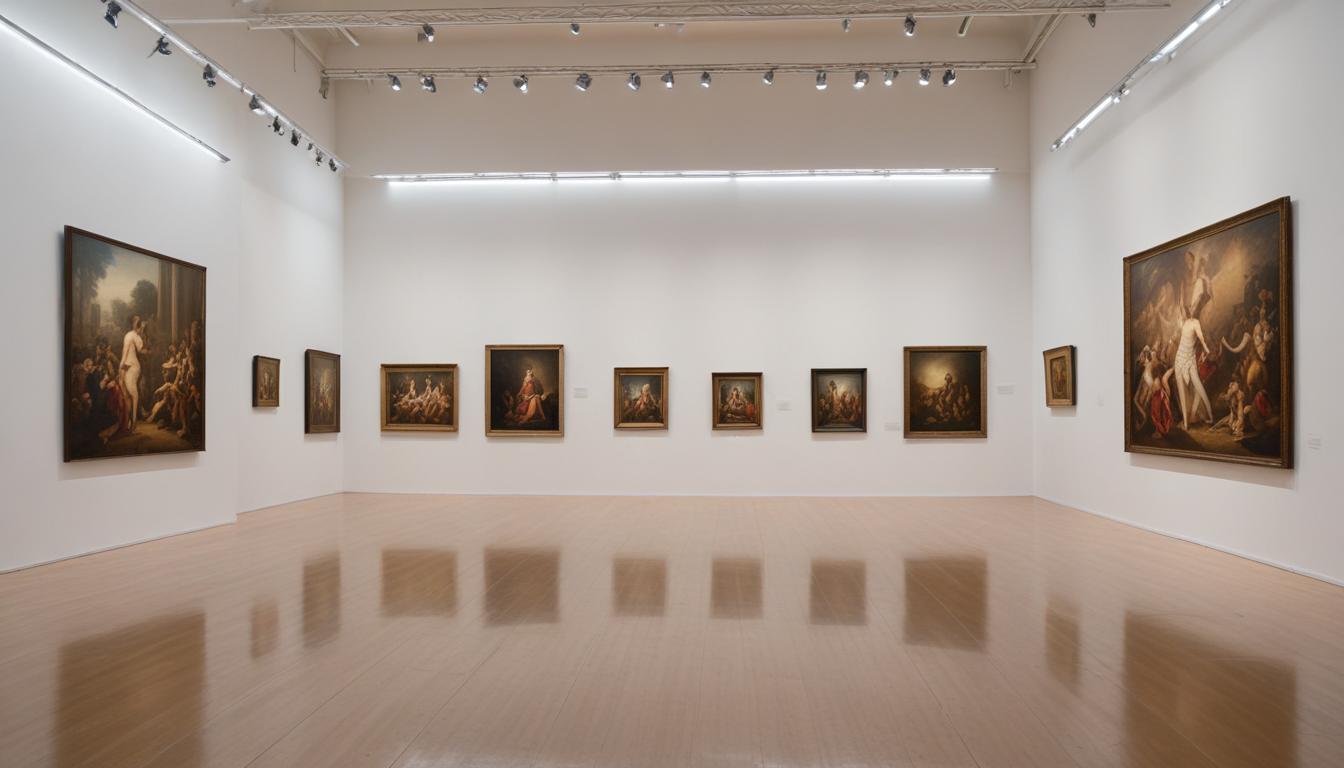
How a collective of Zona Leste artists built São Paulo's most ambitious street festival from scratch
Behind this summer's Festa da Periferia lies a five-year grassroots movement that transformed abandoned warehouses into cultural anchors.
Behind this summer's Festa da Periferia lies a five-year grassroots movement that transformed abandoned warehouses into cultural anchors.
When Ana Paula Santos first proposed turning the defunct Mooca textile factory into a performance space in 2021, her neighbours thought she was delusional. Today, that same building hosts the opening weekend of Festa da Periferia, the sprawling street festival that has become São Paulo's unlikely cultural phenomenon, drawing an estimated 180,000 visitors across three weekends in July and August.
The festival emerged not from municipal planning committees or corporate sponsorships, but from a tight-knit collective of 34 artists, musicians, and community organisers based in the eastern neighbourhoods—territories historically sidelined by the city's established cultural institutions clustered around Avenida Paulista and Vila Mariana. "We weren't waiting for permission," says the movement's coordinating collective, which includes muralists, DJs, theatre directors, and street vendors who have collectively invested over 2.8 million reais of their own resources since inception.
What began as monthly underground raves in converted garages evolved into something more deliberate. In 2023, the group secured a partnership with the Secretaria de Cultura do Estado, unlocking modest public funding alongside continued grassroots fundraising. They identified five anchor venues across Tatuapé, Brás, Mooca, Artur Alvim, and Itaquera—neighbourhoods where real estate remains affordable but creative infrastructure remains scarce.
The logistics are staggering. This year's program features 287 performances across theatre, hip-hop, forró, samba, and contemporary dance. The collective negotiated directly with local property owners, street associations, and the Polícia Militar to secure usage rights. They trained 120 local residents as volunteer coordinators, prioritising employment from within these communities. Entry fees—ranging from 35 to 120 reais depending on venue and timing—are kept deliberately modest; organisers estimate 40 percent of attendees come from neighbouring municipalities.
What distinguishes Festa da Periferia from established summer festivals is its refusal of the spectacle model. There are no international headliners, no corporate branding dominating the visual landscape, no velvet-rope VIP sections. Instead, programming privileges emerging local talent: three-quarters of performers are making their public debut or performing in their neighbourhood for the first time.
"São Paulo has always told a story about culture that erases entire regions," says the collective in a joint statement. "This festival is an argument against that erasure—a proof that creativity doesn't require permission from Paulista Avenue."
Festa da Periferia runs weekends throughout July and August. Full schedule and venue details available via their Instagram @festadaperiferia2026.
This article was compiled by AI from the sources linked above and screened before publishing. See our editorial standards.
How does this story make you feel?
Spread the word
About this article
Published by The Daily São Paulo
Daily brief
Free, in your inbox before 7am. Weekdays.
More in culture